
Exploring Coffee’s Effect on Body Aches and Pains
Quick answer
- Coffee’s impact on body aches is complex. For some, it can reduce pain thanks to caffeine’s properties. For others, it might trigger or worsen aches, especially headaches or joint pain. Dehydration from coffee can also contribute to muscle soreness. Sleep disruption from late-day coffee can lead to general fatigue and aches. Individual sensitivity to caffeine plays a huge role.
Key terms and definitions
- Caffeine: A natural stimulant found in coffee beans that affects the central nervous system.
- Adenosine: A neurotransmitter that promotes relaxation and sleepiness. Caffeine blocks its receptors.
- Inflammation: The body’s response to injury or infection, often causing pain and swelling.
- Dehydration: A lack of sufficient water in the body, which can lead to muscle cramps and headaches.
- Migraine: A severe headache often accompanied by nausea and sensitivity to light and sound.
- Withdrawal: Symptoms experienced when stopping the consumption of a substance, like caffeine.
- Analgesic: A pain-relieving drug or substance.
- Vasoconstriction: The narrowing of blood vessels.
- Vasodilation: The widening of blood vessels.
How it works
- Caffeine acts as a stimulant by blocking adenosine receptors in your brain. This makes you feel more alert.
- It can also increase the release of adrenaline, your body’s natural “fight or flight” hormone.
- Some studies suggest caffeine has mild anti-inflammatory properties. This could theoretically help with certain types of pain.
- Caffeine causes vasoconstriction, narrowing blood vessels. This is why it’s sometimes used in headache medications.
- For some, this vasoconstriction can be beneficial for certain headaches. For others, it might be detrimental.
- If you drink coffee regularly, your body gets used to caffeine. Stopping suddenly can lead to withdrawal headaches.
- Coffee’s diuretic effect can contribute to dehydration if you don’t drink enough water.
- Dehydration is a common cause of muscle cramps and general body aches.
- The jittery feeling from too much coffee can sometimes translate to muscle tension.
- Sleep quality can be affected by late-day coffee, leading to more fatigue and aches the next day.
If you’re looking to manage caffeine intake more precisely without the other compounds in coffee, consider exploring caffeine supplements.
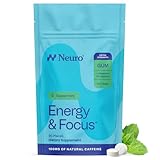
- Fast-Acting Nootropic - Our energy supplements deliver an extra boost of energy and clarity with a blend of natural caffeine, L-theanine, and vitamin b6 & b12. Your go-to chewing gum for work, exercise, and daily focus!
- Clean Energy - Each piece of our sugar free gum delivers 100mg of natural caffeine from green coffee beans for a smooth energy boost without crashes or jitters.
- The Perfect Balance - With 60mg of L-theanine per piece, our energy and focus formula promotes enhanced focus and stress reduction to smooth energy boosts.
- How to Use - Chew one piece of the caffeine gum whenever focus or energy is lacking. Ideal for mornings, pre-workout, or afternoon slumps. Effects typically kick in within minutes thanks to optimal absorption through the mouth.
- Made by Neuro, Backed by Science - At Neuro, we combine neuroscience with clean, science backed ingredients to help you do more, think better, and feel your best every single day.
What affects the result
- Your individual sensitivity to caffeine: Some people are fast metabolizers, others are slow. This makes a big difference.
- How much coffee you drink: A single cup is different from a whole pot.
- When you drink it: Morning coffee is less likely to disrupt sleep than afternoon coffee.
- Your hydration levels: Drinking water alongside coffee is key.
- Your existing health conditions: Conditions like arthritis or fibromyalgia can be affected differently.
- Medications you’re taking: Some drugs interact with caffeine.
- Your diet: What else you’re eating can influence how your body processes caffeine.
- Your stress levels: Stress can amplify pain, and caffeine can sometimes increase stress.
- How often you consume caffeine: Regular users build tolerance.
- The type of coffee: Different beans and brewing methods can have slightly different effects.
- Genetics: Your DNA plays a role in how you respond to caffeine.
- Your sleep patterns: Poor sleep makes you more susceptible to aches and pains.
Maintaining proper hydration is crucial, especially if you consume coffee; hydration supplements can help ensure you’re getting enough electrolytes.

- FAST HYDRATION: Science-based electrolyte powder formula hydrates faster than water alone; useful to rehydrate on-the-go for athletes, sports, outdoor activities, travel, and hot days.
- ELECTROLYTE FORMULA: Delivers 3x electrolytes and half the sugar than leading sports drinks in a portable, easy-mix great tasting hydration powder.
- INGREDIENT-CONSCIOUS: Non-GMO, Gluten Free, Vegan, Soy-Free, Dairy-Free, and Kosher; includes potassium, magnesium, zinc, and vitamin C for added immune support, with natural colors from fruit and vegetable juices.
- SINGLE-SERVE CONVENIENCE: Includes 16 portable electrolyte packets that are easy to carry in a gym bag, backpack, purse, desk or pantry; a simple way to keep hydration packets on hand for daily use, workouts, commuting, and travel days.
- DELICIOUS FLAVOR: Men's Journal Fitness Award for the Best-Tasting Hydration Drink. Enjoy Watermelon, Berry, Lemon, and Orange flavors in one pouch. Mix 1 packet into 8 oz of water for on-the-go hydration.
Pros, cons, and when it matters
- Pro: Caffeine can act as a mild analgesic. It’s often found in over-the-counter headache remedies.
- Con: For some, caffeine can trigger headaches, especially migraines. This is often due to its vasoconstrictive effects.
- Pro: Increased alertness and energy can sometimes help you push through mild aches.
- Con: Overconsumption can lead to jitters, anxiety, and muscle tension, which feel like aches.
- Pro: Some people find that their morning coffee helps them feel more mobile and less stiff.
- Con: Coffee’s diuretic effect can lead to dehydration if you’re not careful, causing muscle cramps.
- Pro: It might offer some temporary relief for certain types of pain, like post-exercise soreness for some.
- Con: If you’re sensitive, caffeine can disrupt sleep, leading to fatigue and widespread body aches.
- Pro: Regular, moderate consumption can reduce the risk of caffeine withdrawal headaches.
- Con: For those with inflammatory conditions, caffeine’s effects are debated and can vary.
- Pro: It can provide a mental boost, making you less focused on minor discomforts.
- Con: Relying on coffee to mask pain isn’t a long-term solution and can mask underlying issues.
- Pro: It’s readily available and a common part of many people’s routines.
- Con: If you’re trying to identify pain triggers, coffee can be a confounding factor.
Common misconceptions
- Myth: Coffee always causes headaches.
- Reality: It can cause headaches for some, but it can also relieve them for others.
- Myth: Coffee is inherently bad for your body.
- Reality: Moderate consumption has potential benefits and risks, depending on the individual.
- Myth: All coffee drinkers will experience body aches from it.
- Reality: Sensitivity varies wildly. Many people drink coffee daily with no ill effects.
- Myth: Caffeine is the only active compound in coffee affecting your body.
- Reality: Coffee contains hundreds of compounds, some with their own effects.
- Myth: If you get a headache from coffee, you should just stop drinking it forever.
- Reality: You might just need to adjust your intake, timing, or hydration.
- Myth: Coffee directly causes inflammation.
- Reality: The relationship between coffee and inflammation is complex and not fully understood; some research suggests anti-inflammatory effects.
- Myth: Drinking decaf coffee eliminates all potential pain-related effects.
- Reality: Decaf still contains some caffeine and other compounds that can have an effect.
- Myth: Body aches from coffee are always a sign of a serious problem.
- Reality: Often, they are related to hydration, sleep, or caffeine sensitivity.
FAQ
- Can coffee make my muscles ache?
Yes, it’s possible. Caffeine’s diuretic effect can lead to dehydration, which can cause muscle cramps and soreness. Also, jitters from too much caffeine can cause muscle tension.
- Is it normal to get a headache after drinking coffee?
For some people, yes. This can be due to caffeine’s effect on blood vessels or if you’re experiencing caffeine withdrawal if you usually drink more.
- Can coffee help with pain relief?
For certain types of pain, like headaches or muscle soreness, caffeine can act as a mild pain reliever for some individuals. It’s often an ingredient in pain medications.
- What should I do if coffee gives me body aches?
Try reducing your intake, drinking more water, and avoiding coffee later in the day to improve sleep. Pay attention to your body’s signals.
- Does the amount of coffee matter for body aches?
Absolutely. Drinking a lot of coffee increases the likelihood of negative effects like dehydration or jitters compared to a single cup.
- Can I drink coffee if I have arthritis?
This is highly individual. Some people with arthritis report no issues, while others find it exacerbates their joint pain. It’s best to discuss with your doctor.
- How does caffeine withdrawal cause pain?
When you regularly consume caffeine, your body adapts. Stopping abruptly can cause blood vessels to dilate, leading to headaches and general discomfort.
- Is there a difference between coffee and espresso regarding pain?
Espresso is more concentrated, so you get more caffeine per ounce. The overall effect on pain would likely depend on how much you consume, not just the type.
What this page does NOT cover (and where to go next)
- Specific medical advice for chronic pain conditions. Consult a healthcare professional for diagnosis and treatment.
- Detailed scientific studies on caffeine’s molecular impact on pain receptors. Look for peer-reviewed research journals.
- Recommendations for specific brands or types of coffee for pain management. Explore coffee blogs and reviews.
- How to brew coffee for optimal flavor and minimal side effects. Check out brewing guides and technique articles.