
Does Coffee Make ADHD Symptoms Worse?
Quick Answer
- Caffeine’s effect on ADHD is complex and varies person-to-person.
- For some, it can temporarily improve focus and reduce hyperactivity.
- For others, it might worsen anxiety or sleep issues, which can mimic or exacerbate ADHD symptoms.
- It’s not a cure, and long-term reliance can lead to tolerance or dependency.
- Consulting a doctor is the best way to understand your individual reaction.
- Listen to your body; if coffee makes you feel wired or jittery, it’s probably not helping.
Key Terms and Definitions
- ADHD: Attention-Deficit/Hyperactivity Disorder. A neurodevelopmental condition affecting attention, hyperactivity, and impulsivity.
- Caffeine: A natural stimulant found in coffee, tea, and other plants. It affects the central nervous system.
- Stimulant Medication: Prescription drugs often used to treat ADHD, like Adderall or Ritalin, which also affect neurotransmitters.
- Neurotransmitters: Chemical messengers in the brain that transmit signals between nerve cells. Dopamine and norepinephrine are key players in ADHD.
- Hyperactivity: Excessive physical movement and inability to sit still.
- Impulsivity: Acting without thinking, difficulty with self-control.
- Focus/Attention Span: The ability to concentrate on a task for a sustained period.
- Anxiety: Feelings of worry, nervousness, or unease.
- Sleep Disturbances: Difficulty falling asleep, staying asleep, or poor sleep quality.
- Tolerance: When the body needs more of a substance to achieve the same effect.
How Coffee Works in the Brain
- Coffee contains caffeine, a stimulant.
- Caffeine blocks adenosine receptors in your brain. Adenosine makes you feel tired.
- By blocking adenosine, caffeine increases alertness.
- It also prompts the release of dopamine and norepinephrine.
- These are the same neurotransmitters often targeted by ADHD stimulant medications.
- This can lead to temporary improvements in focus and reduced impulsivity for some.
- It’s like a mild, short-acting version of what some ADHD meds do.
- The effect is usually felt within 15-45 minutes.
- It wears off over several hours.
If you’re looking for a more controlled dose of caffeine without the coffee ritual, caffeine supplements can offer a precise way to manage your intake. These can be particularly useful for those who want the stimulant effect without the added sugars or acidity often found in coffee.
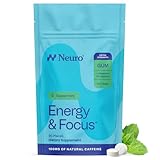
- Fast-Acting Nootropic - Our energy supplements deliver an extra boost of energy and clarity with a blend of natural caffeine, L-theanine, and vitamin b6 & b12. Your go-to chewing gum for work, exercise, and daily focus!
- Clean Energy - Each piece of our sugar free gum delivers 100mg of natural caffeine from green coffee beans for a smooth energy boost without crashes or jitters.
- The Perfect Balance - With 60mg of L-theanine per piece, our energy and focus formula promotes enhanced focus and stress reduction to smooth energy boosts.
- How to Use - Chew one piece of the caffeine gum whenever focus or energy is lacking. Ideal for mornings, pre-workout, or afternoon slumps. Effects typically kick in within minutes thanks to optimal absorption through the mouth.
- Made by Neuro, Backed by Science - At Neuro, we combine neuroscience with clean, science backed ingredients to help you do more, think better, and feel your best every single day.
What Affects Your Coffee Reaction
- Your individual brain chemistry: Everyone’s brain responds differently to stimulants.
- Dosage: How much caffeine you consume matters. A small cup versus a giant mug.
- Genetics: Some people metabolize caffeine faster or slower.
- Tolerance: Regular coffee drinkers might need more to feel an effect.
- Time of day: Drinking coffee late can mess with sleep.
- Other medications: Interactions can happen. Always check with your doctor.
- Hydration levels: Being dehydrated can amplify stimulant effects.
- Food intake: Having food in your stomach can slow absorption.
- Type of coffee: Espresso versus drip coffee can have different concentrations.
- Your current mood and stress levels: Being stressed might make you more sensitive.
- Sleep quality: If you’re already sleep-deprived, caffeine’s impact can be unpredictable.
- Underlying health conditions: Beyond ADHD, other issues can influence your reaction.
Pros, Cons, and When It Matters
- Pro: Temporary boost in focus and attention. Great for a quick mental pick-me-up.
- Con: Can increase anxiety and jitters in sensitive individuals. Not ideal if you’re already prone to worry.
- Pro: May help reduce feelings of restlessness for some. A nice little nudge in the right direction.
- Con: Can disrupt sleep patterns, especially if consumed later in the day. Bad sleep makes ADHD worse.
- Pro: Can be a readily available, low-cost option compared to some medications. Easy to grab on the go.
- Con: Effects are short-lived and wear off. You’ll need more later.
- Pro: Enjoyable ritual and taste for many. Sometimes, a good cup of coffee is just good for the soul.
- Con: Can lead to dependency or withdrawal headaches if you stop suddenly. Nobody likes a caffeine headache.
- Pro: Might offer a mild mood lift. A little perk can go a long way.
- Con: Can mask underlying fatigue, leading to burnout. You’re just pushing through, not resting.
- Pro: Some people find it helps them feel more “normal” or in control. A sense of balance.
- Con: Not a substitute for proper ADHD treatment or management strategies. It’s a tool, not a solution.
- When it matters: For a short-term boost before a task or meeting.
- When it matters less: As a primary strategy for managing chronic ADHD symptoms.
Common Misconceptions
- Misconception: Coffee is a direct treatment for ADHD.
- Reality: It’s a stimulant that might help some symptoms, but it’s not a prescribed treatment.
- Misconception: Everyone with ADHD will benefit from coffee.
- Reality: Reactions are highly individual. Some find it makes them worse.
- Misconception: Coffee is as effective as ADHD medication.
- Reality: Prescription stimulants are generally more potent and longer-lasting, with different mechanisms.
- Misconception: If coffee makes you jittery, you don’t have ADHD.
- Reality: Jitters can be a sign you’re sensitive to caffeine, regardless of ADHD status.
- Misconception: More coffee equals better focus.
- Reality: Too much caffeine can lead to overstimulation, anxiety, and impaired concentration.
- Misconception: Coffee can cure ADHD.
- Reality: ADHD is a complex condition that requires comprehensive management, not a single fix.
- Misconception: Coffee is bad for everyone with ADHD.
- Reality: Some individuals with ADHD report positive effects from moderate caffeine intake.
- Misconception: Caffeine addiction is the same as ADHD.
- Reality: While caffeine can be addictive, ADHD is a neurodevelopmental disorder.
- Misconception: You can’t drink coffee if you’re on ADHD medication.
- Reality: This depends on the medication and your doctor’s advice. Some combinations are fine, others aren’t. Always ask your doctor.
FAQ
Q: Can coffee help me focus if I have ADHD?
A: For some people with ADHD, caffeine can temporarily improve focus and attention by stimulating the brain. However, this effect is not universal and depends on individual brain chemistry and dosage.
Q: Will coffee make my ADHD symptoms worse?
A: It’s possible. For some, caffeine can increase anxiety, disrupt sleep, or lead to jitters, which can indirectly worsen ADHD symptoms or create new problems. Pay attention to how you feel.
Q: Is coffee a good substitute for ADHD medication?
A: No. While caffeine is a stimulant, it’s not a prescribed ADHD medication. Medications are formulated for specific effects and durations, and are managed by a doctor.
Q: How much coffee is too much for someone with ADHD?
A: There’s no single answer. It depends on your tolerance and how your body reacts. Start with a small amount and see how you feel. If you experience anxiety or sleep issues, cut back.
Q: Can I drink coffee if I’m taking ADHD medication?
A: This is something you must discuss with your doctor. Some medications can interact with caffeine, and your doctor can advise based on your specific prescription and health.
Q: Does caffeine affect hyperactivity in ADHD?
A: For some, caffeine can have a paradoxical calming effect, potentially reducing feelings of restlessness. For others, it might increase agitation. It’s highly individual.
Q: What should I do if coffee makes me feel anxious?
A: If coffee triggers anxiety, it’s best to reduce your intake or avoid it altogether. There are many other strategies for managing ADHD symptoms that don’t involve stimulants.
Q: Is it okay to drink coffee in the afternoon if I have ADHD?
A: Be cautious. Caffeine can stay in your system for hours and significantly disrupt sleep, which is crucial for managing ADHD. Many experts recommend avoiding caffeine in the afternoon.
Q: Does decaf coffee have any effect?
A: Decaf coffee still contains a small amount of caffeine. While much lower, some very sensitive individuals might still notice effects. It’s a good option if you enjoy the taste but want to minimize caffeine.
Q: How can I tell if coffee is helping or hurting my ADHD?
A: Keep a journal. Note when you drink coffee, how much, and how you feel afterward – specifically regarding focus, anxiety, sleepiness, and energy levels. This will help you see patterns.
What This Page Does Not Cover (and Where to Go Next)
- Specific recommendations for ADHD medication or treatment plans. Consult a healthcare professional for personalized advice.
- Detailed nutritional advice for managing ADHD. Explore resources on diet and ADHD.
- In-depth scientific explanations of neurotransmitter pathways. Look for neuroscience or pharmacology resources.
- Reviews of specific coffee brands or brewing methods. This is about the effects of caffeine, not coffee gear.
- Legal or ethical considerations of using stimulants. Discuss these with a medical provider.
- Information on other stimulant substances. Stick to discussing coffee and its effects.