
Does Coffee Consumption Lead To Increased Belly Fat?
Quick Answer
- Coffee itself doesn’t directly cause belly fat.
- How you take your coffee matters a lot. Sugar and cream add calories.
- Caffeine can boost metabolism, potentially helping with fat loss.
- Stress hormones, sometimes triggered by too much caffeine, can influence fat storage.
- Overall diet and exercise are the biggest players in belly fat.
- Listen to your body; too much coffee can mess with sleep and stress.
Key Terms and Definitions
- Belly Fat (Visceral Fat): Fat stored deep within the abdominal cavity, surrounding organs. It’s linked to health risks.
- Caffeine: A natural stimulant found in coffee beans. It affects the central nervous system.
- Metabolism: The process your body uses to convert food and drink into energy.
- Cortisol: A stress hormone that can affect appetite and fat storage.
- Insulin Resistance: When your body’s cells don’t respond well to insulin, affecting blood sugar control.
- Empty Calories: Calories from foods or drinks that offer little nutritional value.
- Caloric Surplus: Consuming more calories than your body burns, leading to weight gain.
- Stimulant: A substance that increases activity in the brain and central nervous system.
- Sleep Quality: How well you sleep. Poor sleep can impact hormones related to hunger and stress.
- Blood Sugar: The level of glucose in your blood, which is regulated by insulin.
How Coffee Works in Your Body
- When you drink coffee, caffeine enters your bloodstream.
- It travels to your brain and blocks adenosine, a chemical that makes you feel tired.
- This blockage increases alertness and can make you feel more energetic.
- Caffeine also signals your adrenal glands to release adrenaline.
- Adrenaline is the “fight or flight” hormone.
- It can temporarily speed up your heart rate and metabolism.
- It also signals fat cells to break down stored fat.
- This released fat enters your bloodstream as free fatty acids.
- Your body can then use these fatty acids for energy.
- However, this effect is often short-lived.
What Affects Coffee’s Impact on Your Waistline
- Additives: Sugar, cream, syrups, and whipped cream pile on extra calories and sugar. These are the real culprits for weight gain.
- Portion Size: A giant mocha with all the fixings is a different story than a plain black coffee.
- Individual Sensitivity: Some people are more sensitive to caffeine’s effects on stress hormones and sleep.
- Timing: Drinking coffee late in the day can disrupt sleep, which is linked to weight gain.
- Brewing Method: While not a huge factor for belly fat, different methods extract different compounds.
- Freshness of Beans: Stale coffee doesn’t taste as good, but it won’t directly add belly fat.
- Overall Diet: If your diet is already high in calories, adding sugary coffee drinks won’t help.
- Exercise Habits: Physical activity burns calories and helps manage weight, regardless of coffee intake.
- Stress Levels: High stress can lead to increased cortisol, which can promote belly fat storage.
- Sleep Quality: Poor sleep messes with hunger hormones, making you crave unhealthy foods.
- Genetics: Some people are genetically predisposed to store fat in certain areas.
- Hydration: Drinking enough water is crucial for metabolism and overall health.
For the freshest taste and to control what goes into your cup, consider grinding your own beans. A good coffee bean grinder can make a significant difference in your coffee experience.
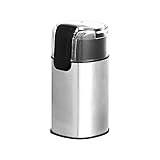
- Electric coffee bean grinder appliance for home use
- Can grind 30 grams/1 ounce of beans for drip coffee brewing in 10 seconds
- Grind coffee beans, herbs, spices, grains, nuts, and more
- Clear safety lid allows you to easily see the results in progress
- Heavy-duty stainless steel grind blade
Pros, Cons, and When It Matters
- Pro: Can boost metabolism, potentially aiding fat loss slightly.
- Con: Sugary additions can lead to significant calorie surplus and weight gain.
- Pro: May improve energy levels and focus, helping with workouts.
- Con: Can disrupt sleep if consumed too late, impacting weight management.
- Pro: Contains antioxidants, good for overall health.
- Con: Can increase cortisol in sensitive individuals, potentially promoting belly fat.
- Pro: Black coffee has very few calories.
- Con: Can cause jitters or anxiety in some, leading to unhealthy coping mechanisms.
- Pro: May improve insulin sensitivity in some studies.
- Con: If you’re already prone to anxiety or sleep issues, it can exacerbate them.
- Pro: Can be a satisfying ritual.
- Con: Relying on it for energy can mask underlying fatigue issues.
- Pro: Low cost per serving (if you brew at home).
- Con: Fancy coffee shop drinks can be expensive calorie bombs.
- Pro: Can suppress appetite temporarily.
- Con: Excessive intake can lead to dependency and withdrawal symptoms.
Common Misconceptions
- Myth: Coffee directly causes belly fat.
- Reality: Coffee itself, especially black coffee, is very low in calories. It’s what you add to it.
- Myth: Caffeine makes you gain weight.
- Reality: Caffeine can actually boost metabolism. Weight gain comes from excess calories.
- Myth: All coffee drinks are healthy.
- Reality: Many specialty coffee drinks are loaded with sugar and fat, essentially milkshakes.
- Myth: You need coffee to have energy.
- Reality: Consistent sleep and a balanced diet provide sustainable energy. Coffee is a temporary boost.
- Myth: Coffee ruins your metabolism.
- Reality: For most people, moderate coffee consumption doesn’t harm metabolism. It might even help a bit.
- Myth: If you drink coffee, you’ll store fat around your stomach.
- Reality: Fat storage is complex and influenced by many factors, not just coffee.
- Myth: Black coffee is bad for your heart and weight.
- Reality: Black coffee is generally fine for most people and has minimal impact on weight.
- Myth: Decaf coffee is completely different.
- Reality: Decaf still has trace amounts of caffeine and antioxidants. It’s a good alternative if caffeine bothers you.
- Myth: Coffee dehydrates you.
- Reality: While caffeine is a mild diuretic, the water in coffee usually offsets this effect.
FAQ
- Does coffee make my stomach bigger?
No, coffee itself doesn’t make your stomach bigger. It’s the calories from sugar, cream, and syrups added to coffee drinks that contribute to weight gain, including belly fat.
- Is black coffee bad for weight loss?
No, black coffee is great for weight loss. It’s virtually calorie-free and can even boost your metabolism slightly, helping you burn more calories.
- Can too much coffee cause weight gain?
Excessive coffee consumption can indirectly lead to weight gain if it disrupts your sleep or increases stress, both of which can affect appetite and fat storage. Also, if you’re constantly adding high-calorie extras, that’s the direct cause.
- Does caffeine burn belly fat?
Caffeine can temporarily increase your metabolic rate and signal your body to break down fat. However, this effect is small and doesn’t specifically target belly fat. It’s not a magic fat-burning solution.
- Should I avoid coffee if I want to lose belly fat?
Not necessarily. Focus on reducing added sugars and unhealthy fats in your diet. Enjoying black coffee or coffee with a splash of milk is usually fine.
- What’s the best way to drink coffee for weight management?
Drink it black or with minimal additions like a splash of unsweetened milk or a tiny bit of natural sweetener if needed. Avoid sugary syrups and excessive cream.
- How does coffee affect my hormones related to weight?
Caffeine can temporarily increase cortisol, the stress hormone. Chronically high cortisol can promote belly fat storage. It can also affect sleep hormones, which are crucial for appetite regulation.
- Does the type of coffee matter?
Yes, in terms of calories. A plain drip coffee is very different from a caramel macchiato loaded with syrup and whipped cream. The latter will contribute significantly to calorie intake.
What This Page Does Not Cover (and Where to Go Next)
- Specific health benefits or risks of coffee beyond weight management. (Look into studies on cardiovascular health or antioxidants).
- Detailed explanations of metabolic processes or hormonal pathways. (Explore endocrinology or nutrition science resources).
- Recipes for low-calorie coffee drinks. (Search for healthy coffee recipes).
- The impact of different coffee bean origins or roasting levels on flavor and compounds. (Dive into coffee enthusiast forums or roasting guides).
- How to brew the perfect cup of coffee at home. (Check out brewing guides for various coffee makers).