
Coffee’s Effect On ADHD: Does It Cause Sleepiness?
Quick answer
- Coffee’s effect on ADHD is complex.
- For some, caffeine can improve focus and reduce hyperactivity.
- Others might experience increased anxiety or jitters.
- The idea of coffee causing sleepiness in ADHD is unusual, but possible for a small group.
- It’s not a universal reaction.
- Experimentation is key to understanding your own response.
Key terms and definitions
- ADHD (Attention-Deficit/Hyperactivity Disorder): A neurodevelopmental disorder characterized by persistent patterns of inattention and/or hyperactivity-impulsivity.
- Caffeine: A stimulant found in coffee, tea, and other plants, known for its ability to increase alertness and reduce fatigue.
- Stimulant: A substance that raises levels of physiological or nervous system activity.
- Neurotransmitter: Chemical messengers that nerve cells use to communicate with each other. Dopamine and norepinephrine are key in ADHD.
- Dopamine: A neurotransmitter associated with pleasure, motivation, and attention.
- Norepinephrine: A neurotransmitter that plays a role in alertness, attention, and stress response.
- Paradoxical Reaction: An effect that is the opposite of what is normally expected from a substance.
- Hyperactivity: Excessive physical movement and restlessness.
- Inattention: Difficulty focusing, sustaining attention, and organizing tasks.
- Comorbidity: The presence of one or more additional conditions often occurring at the same time as ADHD.
How it works
- Caffeine acts as a mild central nervous system stimulant.
- It blocks adenosine receptors in the brain. Adenosine makes you feel tired.
- By blocking adenosine, caffeine increases alertness and reduces perceived fatigue.
- In individuals with ADHD, the brain’s dopamine and norepinephrine systems often function differently.
- Stimulant medications used for ADHD aim to increase the availability of these neurotransmitters.
- Caffeine might, in some cases, mimic some of the effects of stimulant medication by influencing these same pathways.
- This can lead to improved focus and a calming effect for some with ADHD.
- However, the exact neurochemical interactions are still being researched.
- The response can vary significantly from person to person.
- It’s not a direct “fix” but a potential modulator of brain activity.
If coffee isn’t your preferred method, caffeine supplements can offer a more controlled dosage for similar effects.
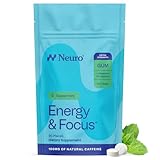
- Fast-Acting Nootropic - Our energy supplements deliver an extra boost of energy and clarity with a blend of natural caffeine, L-theanine, and vitamin b6 & b12. Your go-to chewing gum for work, exercise, and daily focus!
- Clean Energy - Each piece of our sugar free gum delivers 100mg of natural caffeine from green coffee beans for a smooth energy boost without crashes or jitters.
- The Perfect Balance - With 60mg of L-theanine per piece, our energy and focus formula promotes enhanced focus and stress reduction to smooth energy boosts.
- How to Use - Chew one piece of the caffeine gum whenever focus or energy is lacking. Ideal for mornings, pre-workout, or afternoon slumps. Effects typically kick in within minutes thanks to optimal absorption through the mouth.
- Made by Neuro, Backed by Science - At Neuro, we combine neuroscience with clean, science backed ingredients to help you do more, think better, and feel your best every single day.
What affects the result
- Individual Neurochemistry: Everyone’s brain is wired a bit differently. What affects one person with ADHD might not affect another the same way.
- Dosage of Caffeine: A small amount might have a different effect than a large amount. Too much can lead to anxiety.
- Tolerance: Regular caffeine drinkers build up a tolerance, meaning they need more to feel the same effect.
- Genetics: Your genes play a role in how your body metabolizes caffeine and how your brain responds to it.
- Time of Day: Consuming caffeine late in the day can disrupt sleep, which can worsen ADHD symptoms the next day.
- Other Medications: Interactions with ADHD medications or other prescriptions can alter the response. Always check with your doctor.
- Comorbid Conditions: Anxiety disorders or depression can influence how caffeine is experienced.
- Food Intake: Having food in your stomach can slow down caffeine absorption.
- Hydration Levels: Being dehydrated can sometimes make you feel more tired, and caffeine can have a diuretic effect.
- Sleep Quality: Poor sleep is a major factor in ADHD symptom severity. Caffeine can mask fatigue temporarily but doesn’t fix the underlying sleep issue.
- Type of Coffee: While less common, some studies suggest minor differences in how different bean types or roasts might affect people.
- Personal Sensitivity: Some individuals are just naturally more sensitive to stimulants than others.
Pros, cons, and when it matters
- Pro: Improved Focus: For some, caffeine can sharpen attention and make it easier to concentrate on tasks. This is often why people with ADHD might reach for coffee.
- Con: Anxiety and Jitters: Too much caffeine can trigger or worsen anxiety, restlessness, and a feeling of being on edge. Not ideal when you’re already struggling with focus.
- Pro: Reduced Hyperactivity: In a paradoxical effect, some individuals report feeling calmer and less fidgety after consuming caffeine.
- Con: Sleep Disruption: Caffeine is a known sleep disruptor. Poor sleep can significantly worsen ADHD symptoms, creating a cycle.
- Pro: Mood Enhancement: For some, the mild stimulant effect can lead to a temporary mood lift.
- Con: Dependency and Withdrawal: Regular use can lead to physical dependence, with withdrawal symptoms like headaches and fatigue if you stop.
- Pro: Accessibility: Coffee is readily available and often more affordable than prescription medications.
- Con: Inconsistent Effects: The impact can vary day by day, making it an unreliable tool for managing symptoms.
- Pro: Potential for Mild Symptom Management: It can be a useful tool for occasional, mild symptom relief for some.
- Con: Masking Underlying Issues: Relying solely on coffee might prevent someone from seeking more effective, long-term ADHD management strategies.
- Pro: Social Ritual: The act of making and drinking coffee can be a grounding ritual for many.
- Con: Not a Substitute for Treatment: It’s crucial to remember caffeine is not a replacement for evidence-based ADHD treatments like therapy or medication.
Common misconceptions
- Myth: Coffee always makes ADHD symptoms worse. False. For some, it can actually help manage symptoms by improving focus.
- Myth: Coffee is a cure for ADHD. Definitely not. It’s a mild stimulant with variable effects, not a treatment.
- Myth: If coffee makes you sleepy, you don’t have ADHD. Not necessarily. Paradoxical reactions are possible, though sleepiness from coffee in ADHD is rare.
- Myth: All coffee is the same for ADHD. Nope. Dosage, tolerance, and individual biology matter a lot.
- Myth: Caffeine is as effective as ADHD medication. Not even close. Prescription stimulants are designed for specific neurochemical targets.
- Myth: You should avoid caffeine entirely if you have ADHD. Not universally true. Many manage their intake successfully.
- Myth: Coffee causes ADHD. No scientific evidence supports this. ADHD is a neurodevelopmental condition.
- Myth: If coffee makes you hyper, it’s definitely bad. It might be too much for you, or you might be sensitive. It doesn’t mean it’s “bad” for everyone with ADHD.
- Myth: Decaf coffee has no effect. Decaf still contains a small amount of caffeine, which could have a minor impact on some individuals.
- Myth: Coffee is the only dietary factor that matters for ADHD. Far from it. Diet is complex, and caffeine is just one piece.
FAQ
Does coffee make ADHD people sleepy?
This is uncommon. While caffeine is a stimulant, a small percentage of people might experience a paradoxical reaction where they feel drowsy or even sleepy. This is not the typical response for most individuals with ADHD.
Why might coffee make someone with ADHD feel sleepy?
The exact reasons are not fully understood. It could be related to individual brain chemistry, a very specific interaction with neurotransmitters, or perhaps a delayed fatigue effect after the initial stimulant boost wears off. It’s rare, though.
Can coffee help with ADHD focus?
Yes, for some individuals with ADHD, caffeine can act as a mild stimulant that temporarily improves focus, attention span, and reduces impulsivity. It’s thought to work by influencing dopamine and norepinephrine levels in the brain.
How much coffee is too much for someone with ADHD?
There’s no one-size-fits-all answer. It depends heavily on individual sensitivity, tolerance, and whether they are taking other medications. Start low and observe your reactions. Too much can lead to anxiety, jitters, and sleep problems.
Should I drink coffee if I have ADHD?
It’s a personal decision. If you find it helps your focus and doesn’t cause negative side effects like anxiety or sleep issues, it might be a helpful tool. However, it’s not a substitute for proper medical treatment.
What are the risks of drinking coffee with ADHD?
The main risks include increased anxiety, jitters, heart palpitations, and disrupted sleep patterns. If you’re on ADHD medication, caffeine can sometimes amplify side effects. Always consult your doctor.
Is there a better time of day to drink coffee with ADHD?
Generally, it’s best to consume caffeine earlier in the day to minimize its impact on sleep. Avoid it in the afternoon and evening. This helps prevent it from interfering with your natural sleep cycle.
What if coffee makes my ADHD medication less effective?
This is a possibility. Caffeine can sometimes interact with stimulant medications. If you notice a diminished effect from your medication after drinking coffee, discuss it with your doctor immediately.
Are there alternatives to coffee for managing ADHD focus?
Absolutely. Many strategies exist, including regular exercise, mindfulness, proper sleep hygiene, dietary adjustments, and, most importantly, prescribed ADHD medications and behavioral therapies.
What this page does NOT cover (and where to go next)
- Specific dosage recommendations for caffeine intake for individuals with ADHD. (Consult a healthcare professional for personalized advice.)
- Detailed scientific research papers on the neurobiological mechanisms of caffeine and ADHD. (Look for peer-reviewed journals.)
- Brand-specific reviews of coffee or coffee makers. (Explore coffee enthusiast forums or review sites.)
- Medical advice or diagnosis for ADHD. (Seek guidance from a qualified doctor or mental health professional.)