
The Coffee Bean Varieties That Brew Your Favorite Drink
Quick Answer
- Arabica beans are the most popular, known for their smooth, aromatic flavor.
- Robusta beans pack a punch with higher caffeine and bolder, often bitter notes.
- Liberica beans are rare, offering a unique, smoky, and floral profile.
- Excelsa beans, often grouped with Liberica, contribute fruity and tart dimensions.
- The “bean” you drink is actually the seed of a coffee cherry.
- Roast level dramatically changes flavor, regardless of the bean type.
If you’re looking for a bolder kick, consider trying robusta coffee beans, known for their higher caffeine content and strong flavor.
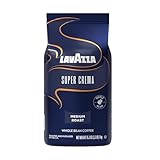
- SUPER CREMA: A 2.2 lb whole bean coffee bag ideal for espresso preparation
- INTENSITY AND ROAST: This full-bodied medium roast offers a bold and creamy finish
- BLEND: Made from Arabica and Robusta beans, this naturally caffeinated blend is sourced from 15 coffee-growing countries around the world
- PREPARATION: Ideal for espresso preparation.
- BREWING GUIDE FOR SINGLE ESPRESSO: 0.28 oz of ground espresso delivers a 1 oz espresso shot
Key Terms and Definitions
- Bean: The seed of the coffee cherry, which we roast and grind.
- Arabica: The most cultivated coffee species, prized for its complex flavors and aroma.
- Robusta: A hardier species with more caffeine and a bolder, often harsher taste.
- Liberica: A less common species with large beans and a distinct, often floral and smoky flavor.
- Excelsa: Often classified with Liberica, known for its tart, fruity, and sometimes woody notes.
- Species: The biological classification of coffee plants (e.g., Coffea arabica, Coffea canephora).
- Variety/Cultivar: Specific strains within a species, like Bourbon or Typica for Arabica.
- Roast Level: How long and at what temperature the beans are heated, impacting flavor.
- Origin: The geographical location where the coffee bean was grown, influencing taste.
- Processing Method: How the coffee cherry is treated after harvest (washed, natural, honey) affects the final cup.
How Coffee Beans Make Coffee
- It all starts with a coffee cherry. Inside, you’ll find one or two “beans.”
- These beans are actually seeds. They’re the key to your morning brew.
- After harvesting, the cherries are processed to remove the fruit.
- Then comes the roasting. This is where the magic happens.
- Heat transforms the bean’s chemical compounds. This develops hundreds of flavor notes.
- Unroasted beans are green and have a grassy smell. Not exactly appealing.
- The roasting process dictates the color and much of the taste. Light roasts highlight origin flavors. Dark roasts bring out roast-driven notes.
- Finally, you grind the roasted beans. This exposes more surface area for brewing.
- Hot water then extracts the soluble compounds. That’s your coffee.
What Affects the Coffee Bean Flavor
- Species: Arabica generally offers nuanced sweetness, while Robusta is more straightforward and bitter.
- Variety (Cultivar): Within Arabica, specific varieties like Bourbon can be sweeter than Typica. It’s like different types of apples.
- Origin: Altitude, soil, and climate all play a huge role. Ethiopian beans often have floral notes; Colombian beans can be balanced and nutty.
- Processing: Washed coffees tend to be cleaner and brighter. Natural processed coffees are often fruitier and more complex. Honey processed falls somewhere in between.
- Roast Level: Light roasts preserve delicate origin flavors. Medium roasts offer a balance. Dark roasts bring out smoky, chocolatey, or even burnt notes.
- Freshness: Coffee beans are best brewed within a few weeks of roasting. Stale beans lose their aromatic oils.
- Storage: Keep beans in an airtight container, away from light, heat, and moisture. Don’t freeze them.
- Grind Size: Too fine a grind can lead to over-extraction and bitterness. Too coarse can result in a weak, sour cup.
- Water Quality: Filtered water is best. Tap water can introduce off-flavors.
- Water Temperature: Too hot can scorch the grounds; too cool won’t extract enough flavor. Aim for around 195-205°F (90-96°C).
- Brewing Method: Different brewers highlight different aspects of the bean. Espresso is concentrated; pour-over is clean.
- Bean Age: Older beans lose their vibrancy. Think of them like old bread – not ideal.
Pros, Cons, and When It Matters
- Arabica:
- Pros: Complex, aromatic, sweet, nuanced flavors.
- Cons: More delicate, harder to grow, lower caffeine.
- Matters for: Anyone seeking a flavorful, aromatic cup. Most specialty coffee.
- Robusta:
- Pros: High caffeine, bold flavor, crema in espresso, hardier plant.
- Cons: Often bitter, less complex, can taste rubbery.
- Matters for: Espresso blends (for crema and kick), instant coffee, budget blends.
- Liberica:
- Pros: Unique, smoky, floral, and sometimes fruity profile.
- Cons: Very rare, can be an acquired taste, inconsistent.
- Matters for: Adventurous drinkers seeking something completely different.
- Excelsa:
- Pros: Tart, fruity, sometimes woody notes that add complexity.
- Cons: Often blended, not commonly found as a single origin.
- Matters for: Adding depth and interest to blends.
- Single Origin vs. Blends:
- Single Origin: Highlights a specific farm or region. Great for exploring distinct tastes.
- Blends: Combine beans for a balanced, consistent flavor profile. Often used for espresso.
- Matters for: Your preference for exploring or for consistency.
- Roast Level:
- Light: Bright acidity, origin flavors shine. Can be sour if underdeveloped.
- Medium: Balanced. Good for most brewing methods.
- Dark: Bold, roasty, less acidity. Can taste burnt if overdone.
- Matters for: Matching the bean’s potential to your taste and brewing method.
- Processing Method:
- Washed: Clean, bright, acidic.
- Natural: Fruity, winey, full-bodied. Can have fermentation notes.
- Honey: Sweetness and body between washed and natural.
- Matters for: How you like your coffee to taste – clean or bold and fruity.
Common Misconceptions
- “Dark roast beans have more caffeine.” Nope. Robusta beans have more caffeine than Arabica, regardless of roast. Darker roasts are roasted longer, meaning some caffeine burns off.
- “All coffee beans are the same.” Not even close. Species, origin, processing, and roast all create huge differences.
- “You need a fancy machine for good coffee.” A good grinder and decent brewing technique matter way more than the machine itself. A simple pour-over can be amazing.
- “Coffee beans are always brown.” They start green! Roasting turns them brown and eventually black.
- “Freshly roasted means best.” Freshly roasted is good, but beans need a few days to degas after roasting for optimal flavor. Too fresh can be harsh.
- “Coffee beans are a type of nut.” They’re seeds from a fruit. Totally different.
- “Espresso beans are a special type of bean.” Not really. Most beans can be roasted for espresso. It’s the roast profile and fine grind that make espresso.
- “You should store coffee beans in the freezer.” Bad idea. Freezing causes condensation, which damages the beans and their flavor. Airtight container at room temp is best.
- “Organic means better tasting.” Organic refers to farming practices, not necessarily flavor. It’s good for the planet, but taste is a separate thing.
- “Coffee beans are all bitter.” Only if they’re low quality, poorly roasted, or brewed incorrectly. Good beans are sweet and complex.
FAQ
- What’s the most common coffee bean?
Arabica beans make up about 60% of the world’s coffee production. They’re known for their balanced, aromatic flavors.
- Are Robusta beans bad?
Not necessarily bad, just different. They’re bolder, higher in caffeine, and often have a more bitter profile. They’re great for espresso blends and instant coffee.
- Does the country of origin matter?
Absolutely. Beans from Ethiopia will taste very different from those grown in Brazil due to soil, climate, and altitude. It’s a huge factor in flavor.
- How does roasting affect bean flavor?
Roasting develops hundreds of aromatic compounds. Light roasts highlight origin characteristics, while dark roasts bring out bolder, roasty flavors.
- Can I use any bean for any brewing method?
Technically, yes. But some beans and roast levels perform better with certain methods. A light-roast Ethiopian bean might shine in a pour-over, while a dark-roast blend is classic for espresso.
- What’s the difference between a bean variety and a species?
A species is a broad category, like Arabica. A variety (or cultivar) is a specific type within that species, like Geisha or Bourbon.
- How long do coffee beans stay fresh?
For peak flavor, aim to brew within 2-4 weeks of the roast date. They’re still drinkable after that, but the aromatics fade.
- Are there other coffee bean types besides Arabica and Robusta?
Yes, Liberica and Excelsa are two other species, though much rarer. They offer unique flavor profiles that are less common.
What This Page Does Not Cover (And Where to Go Next)
- Specific tasting notes for every single coffee variety. Explore tasting guides for different origins.
- Detailed information on coffee processing methods (washed, natural, etc.). Look for guides on coffee processing.
- How to identify specific coffee plant diseases or pests. Consult agricultural resources if you’re growing your own.
- The history of coffee cultivation and trade. Dive into books or documentaries on coffee history.
- How to roast your own coffee beans at home. Seek out guides on home coffee roasting.