
Coffee’s Impact on Appetite and Eating Habits
Quick answer
- Coffee, primarily due to its caffeine content, can temporarily suppress appetite in some individuals.
- This effect is often short-lived and varies significantly from person to person.
- Caffeine may influence hormones related to hunger and satiety, such as ghrelin and peptide YY.
- While some may feel less hungry after coffee, others experience no noticeable change in appetite.
- The impact on eating habits is complex and can be influenced by factors like preparation method and individual metabolism.
- For most people, coffee’s effect on appetite is not a significant long-term dietary strategy.
Key terms and definitions
- Caffeine: A natural stimulant found in coffee beans, known for its effects on the central nervous system.
- Appetite: The desire to eat food.
- Satiety: The feeling of fullness and satisfaction after eating.
- Ghrelin: A hormone that stimulates appetite.
- Peptide YY (PYY): A hormone that suppresses appetite.
- Metabolism: The chemical processes in the body that convert food and drink into energy.
- Placebo Effect: A beneficial effect produced by a placebo drug or treatment, which cannot be attributed to the properties of the placebo itself, and must therefore be assumed to be the result of the patient’s belief in that treatment.
- Cortisol: A stress hormone that can also influence appetite and metabolism.
- Digestive System: The organs responsible for breaking down food and absorbing nutrients.
- Blood Glucose: The main sugar found in your blood, which is your body’s main source of energy.
How it works
- Caffeine stimulates the central nervous system, which can lead to a temporary reduction in hunger signals.
- It is thought to influence the release of certain hormones that regulate appetite.
- Specifically, caffeine may temporarily decrease ghrelin levels, the hormone that signals hunger.
- Conversely, it might increase levels of peptide YY, a hormone that signals fullness.
- The act of drinking a hot beverage can also contribute to a feeling of fullness, independent of caffeine.
- Coffee can also affect blood sugar levels, which indirectly influences feelings of hunger.
- Some research suggests caffeine might increase thermogenesis, the body’s process of producing heat, which can slightly boost metabolism.
- The presence of other compounds in coffee, beyond caffeine, may also play a role in appetite regulation.
- The overall effect can be a delayed onset of hunger or a reduced desire to eat shortly after consumption.
- However, these physiological responses are not universal and can be influenced by many individual factors.
If you’re looking to explore the appetite-suppressing effects of caffeine more directly, consider caffeine supplements. They offer a concentrated dose without the flavor or ritual of coffee.
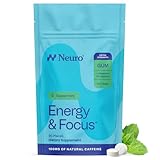
- Fast-Acting Nootropic - Our energy supplements deliver an extra boost of energy and clarity with a blend of natural caffeine, L-theanine, and vitamin b6 & b12. Your go-to chewing gum for work, exercise, and daily focus!
- Clean Energy - Each piece of our sugar free gum delivers 100mg of natural caffeine from green coffee beans for a smooth energy boost without crashes or jitters.
- The Perfect Balance - With 60mg of L-theanine per piece, our energy and focus formula promotes enhanced focus and stress reduction to smooth energy boosts.
- How to Use - Chew one piece of the caffeine gum whenever focus or energy is lacking. Ideal for mornings, pre-workout, or afternoon slumps. Effects typically kick in within minutes thanks to optimal absorption through the mouth.
- Made by Neuro, Backed by Science - At Neuro, we combine neuroscience with clean, science backed ingredients to help you do more, think better, and feel your best every single day.
What affects the result
- Caffeine Content: The amount of caffeine in your coffee directly influences its potential impact on appetite. Espresso has a higher concentration than drip coffee, for example.
- Individual Sensitivity: People metabolize caffeine at different rates, leading to varying degrees of appetite suppression.
- Timing of Consumption: Drinking coffee before a meal is more likely to affect immediate hunger than drinking it hours later.
- Preparation Method: How coffee is brewed can affect the concentration of caffeine and other compounds. Cold brew, for instance, can have a different impact than a quick pour-over.
- Added Ingredients: Milk, cream, sugar, and artificial sweeteners can alter the caloric content and metabolic response, potentially counteracting appetite suppression.
- Habituation: Regular coffee drinkers may develop a tolerance to caffeine’s effects, including its impact on appetite.
- Hydration Levels: Coffee is a diuretic, and dehydration can sometimes be mistaken for hunger.
- Emotional State: Stress or boredom can influence eating habits, and these emotions can interact with coffee consumption.
- Meal Composition: What you eat alongside your coffee or when you choose to eat can override any appetite-suppressing effects.
- Genetics: Individual genetic makeup plays a significant role in how your body responds to caffeine and regulates hunger.
- Gut Microbiome: The bacteria in your digestive system can influence nutrient absorption and appetite signals, and may interact with coffee consumption.
- Type of Coffee Bean: Different coffee beans have varying chemical compositions that could theoretically influence physiological responses.
The preparation method can influence coffee’s impact. For the freshest flavor and potentially different compound extraction, a good coffee grinder can make a difference in your daily brew.

- [ PRECISION ELECTRONIC TIMER & TOUCHSCREEN PANEL ] - Precision Electronic Timer allows users to adjust grind time in 1 second increments up to 40s. A clear and concise LCD Touch screen is easy and intuitive for you to adjust the grind time.
- [ CHOOSE FROM 48 GRIND SETTINGS ] - This coffee bean grinder is designed with a conical burr grinder that operates at a low speed to minimize heat and help release the oils for optimal flavor. With 48 adjustable settings, create your perfect cup – from Espresso finesse to French press coarseness!
- [ UPGRADE ANTI-STATIC CONICAL BURR COFFEE GRINDER ] - The anti-static technology prevents the grounds from sticking to the coffee chamber and creating a mess. It allows a smooth flow of coffee grounds for an improved experience.
- [ LARGE BEAN HOPPER ] - Our espresso grinder comes with a 9.7 oz coffee bean hopper, designed with a locking system that ensures safe operation.
Pros, cons, and when it matters
- Pro: Temporary Appetite Suppression: For some, coffee can help curb immediate hunger pangs, potentially leading to smaller meal portions. This can be useful if you tend to overeat at specific times.
- Con: Short-Lived Effect: The appetite-suppressing effect of coffee is often temporary. Hunger can return shortly after the initial impact wears off.
- Pro: May Aid in Calorie Control (Indirectly): If coffee helps you feel less inclined to snack mindlessly between meals, it could indirectly support calorie management goals.
- Con: Can Mask True Hunger: Relying on coffee to suppress hunger might lead to ignoring genuine physiological hunger cues, potentially resulting in inadequate nutrient intake.
- Pro: Can Improve Focus: For some, the mental clarity coffee provides might help them make more deliberate food choices rather than impulsive ones.
- Con: Digestive Upset: Coffee can stimulate the digestive system, which for some individuals might lead to discomfort or an increased urge to eat for different reasons.
- Pro: Ritualistic Comfort: The act of preparing and drinking coffee can be a comforting ritual, which some people find helps manage stress-related eating.
- Con: Potential for Increased Cravings: For some, coffee can trigger cravings for sugary or fatty foods, especially if consumed with sweeteners or pastries.
- Pro: Pre-Workout Energy: For those who exercise, coffee can provide energy and potentially reduce the desire to eat immediately before a workout.
- Con: Sleep Disruption: Consuming coffee too late in the day can interfere with sleep, and poor sleep is often linked to increased appetite and weight gain.
- Pro: Social Aspect: Coffee breaks can be social occasions, which can provide support and reduce the isolation that sometimes accompanies dietary changes.
- Con: Not a Sustainable Diet Strategy: Using coffee solely to suppress appetite is not a balanced or sustainable approach to long-term health and weight management.
Common misconceptions
- Myth: Coffee makes everyone not want to eat. Reality: The effect on appetite is highly individual. Many people experience no change in hunger after drinking coffee.
- Myth: Drinking black coffee is a guaranteed way to lose weight. Reality: While it might temporarily curb appetite, coffee alone doesn’t cause significant weight loss without dietary and lifestyle changes.
- Myth: Caffeine is the only component in coffee that affects appetite. Reality: Coffee contains hundreds of compounds, and while caffeine is primary, others may also play a role.
- Myth: Coffee always boosts metabolism significantly. Reality: Caffeine can have a small, temporary effect on metabolism, but it’s not a substantial driver of long-term weight loss.
- Myth: Coffee can replace meals. Reality: Coffee lacks the essential nutrients required for a balanced diet and should not be used as a meal replacement.
- Myth: The effect of coffee on appetite is consistent every time. Reality: Factors like tolerance, timing, and what you eat can change its impact from one occasion to the next.
- Myth: Adding milk or sugar negates all appetite-suppressing effects. Reality: While they add calories, the caffeine still has its physiological effects, though the overall impact on hunger might be altered.
- Myth: Coffee causes dehydration, which makes you hungry. Reality: Coffee is a mild diuretic, but moderate consumption typically doesn’t lead to significant dehydration that causes hunger.
- Myth: If you don’t feel less hungry after coffee, it’s not working. Reality: The absence of a noticeable appetite change doesn’t mean coffee isn’t having other subtle physiological effects.
- Myth: Coffee is an appetite suppressant for athletes. Reality: While some athletes use it for energy, its appetite-suppressing effects can vary, and it’s not a universal tool for pre-game hunger control.
FAQ
Does coffee make you not want to eat?
For some people, coffee, particularly due to its caffeine content, can temporarily reduce feelings of hunger. This effect varies greatly from person to person.
How long does coffee’s effect on appetite last?
The appetite-suppressing effect of coffee is typically short-lived, often lasting for a couple of hours at most. It’s not a long-term solution for hunger management.
Does black coffee suppress appetite more than coffee with milk and sugar?
Black coffee contains only coffee and water, so its effects are primarily due to caffeine and the liquid volume. Adding milk, sugar, or cream introduces calories and can alter the overall metabolic and satiety response.
Can coffee help with weight loss by reducing appetite?
While coffee might indirectly support weight management by temporarily reducing appetite or boosting metabolism slightly, it is not a standalone weight loss solution. A balanced diet and exercise are crucial.
What happens if I drink coffee and still feel hungry?
If you drink coffee and still feel hungry, it means the appetite-suppressing effects are either not strong enough for you, have worn off, or your body is signaling genuine hunger that coffee cannot override. It’s important to listen to your body’s hunger cues.
Are there any negative effects of using coffee to suppress appetite?
Relying on coffee to suppress appetite can lead to inadequate nutrient intake if it causes you to skip meals or eat less than your body needs. It can also mask true hunger signals.
Does decaf coffee affect appetite?
Decaffeinated coffee contains very little caffeine, so its impact on appetite is significantly reduced compared to regular coffee. Any effect would likely be due to the hot liquid or other compounds in the coffee.
Is it safe to drink coffee before a meal to eat less?
For most healthy adults, drinking a moderate amount of coffee before a meal is generally safe. However, individuals sensitive to caffeine or with certain medical conditions should exercise caution.
What this page does NOT cover (and where to go next)
- Specific brand recommendations for coffee beans or brewing equipment. (Next: Explore coffee bean origins and roast profiles.)
- Detailed nutritional breakdowns of different coffee drinks. (Next: Consult resources on balanced diets and meal planning.)
- Medical advice on using coffee for appetite control or weight loss. (Next: Speak with a healthcare provider or registered dietitian.)
- In-depth scientific studies on caffeine’s hormonal impact. (Next: Research peer-reviewed scientific literature on caffeine and endocrinology.)