
Coffee and Libido: Exploring the Connection
Quick Answer
- While scientific evidence directly linking coffee consumption to increased libido is limited and often anecdotal, some individuals report feeling more alert and energetic after drinking coffee, which can indirectly influence mood and desire.
- Caffeine, a primary component of coffee, is a stimulant that can affect the central nervous system, potentially leading to increased alertness and a temporary boost in mood for some.
- The ritual of preparing and enjoying coffee can be a relaxing or energizing experience that contributes to overall well-being, which might have a subtle impact on one’s feelings.
- Individual responses to caffeine and coffee vary greatly, meaning any perceived effects on libido are highly personal and not universally experienced.
- More research is needed to establish a definitive physiological connection between coffee consumption and sexual arousal or desire.
Key Terms and Definitions
- Libido: Commonly referred to as sex drive, libido is a person’s overall desire for sexual activity.
- Caffeine: A natural stimulant found in coffee beans, tea leaves, and cocoa beans, known for its ability to increase alertness and reduce fatigue.
- Central Nervous System (CNS): The part of the nervous system comprising the brain and spinal cord, responsible for controlling most bodily functions and activities.
- Stimulant: A substance that raises levels of physiological or nervous activity in the body.
- Placebo Effect: A beneficial effect produced by a placebo drug or treatment, which cannot be attributed to the properties of the placebo itself and must therefore be due to the patient’s belief in that treatment.
- Anecdotal Evidence: Information based on personal accounts rather than on facts or research.
- Hormones: Chemical messengers produced by glands in the body that regulate various functions, including mood and metabolism.
- Neurotransmitters: Chemical messengers that transmit signals from a neuron across a synapse to a target neuron, muscle cell, or gland cell.
- Cortisol: A steroid hormone produced by the adrenal glands, often referred to as the “stress hormone,” which plays roles in metabolism, immune function, and the stress response.
- Dopamine: A neurotransmitter that plays a role in pleasure, motivation, and reward.
How it Works
- Coffee contains caffeine, a psychoactive stimulant that primarily affects the central nervous system.
- Caffeine works by blocking adenosine, a neurotransmitter that promotes relaxation and sleepiness.
- By blocking adenosine, caffeine can increase the activity of other neurotransmitters like dopamine and norepinephrine.
- Dopamine is associated with pleasure and reward, and its release can contribute to feelings of well-being and motivation.
- Norepinephrine is involved in the body’s “fight or flight” response, increasing alertness, heart rate, and blood flow.
- These physiological changes can lead to increased energy levels and a temporary improvement in mood for some individuals.
- The ritual of preparing and drinking coffee, often a moment of pause or indulgence, can also contribute to a relaxed or energized state.
- For some, this heightened state of alertness and improved mood might indirectly influence their perception of desire or readiness for intimacy.
- However, these effects are not direct aphrodisiac properties but rather a consequence of caffeine’s stimulant action on the nervous system.
- The overall impact is highly individual, depending on personal sensitivity to caffeine and psychological factors.
If you’re looking to explore the stimulant effects of caffeine, consider trying a high-quality caffeine supplement to see how it impacts your energy levels.
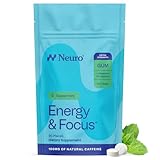
- Fast-Acting Nootropic - Our energy supplements deliver an extra boost of energy and clarity with a blend of natural caffeine, L-theanine, and vitamin b6 & b12. Your go-to chewing gum for work, exercise, and daily focus!
- Clean Energy - Each piece of our sugar free gum delivers 100mg of natural caffeine from green coffee beans for a smooth energy boost without crashes or jitters.
- The Perfect Balance - With 60mg of L-theanine per piece, our energy and focus formula promotes enhanced focus and stress reduction to smooth energy boosts.
- How to Use - Chew one piece of the caffeine gum whenever focus or energy is lacking. Ideal for mornings, pre-workout, or afternoon slumps. Effects typically kick in within minutes thanks to optimal absorption through the mouth.
- Made by Neuro, Backed by Science - At Neuro, we combine neuroscience with clean, science backed ingredients to help you do more, think better, and feel your best every single day.
What Affects the Connection
- Individual Caffeine Sensitivity: People metabolize caffeine at different rates. Those who are highly sensitive may experience more pronounced effects, both positive and negative, while others may feel little to no impact.
- Amount of Coffee Consumed: A single cup might have a different effect than multiple cups. Excessive caffeine intake can lead to anxiety and jitters, which are counterproductive to relaxation and desire.
- Time of Consumption: Drinking coffee close to bedtime can disrupt sleep, and poor sleep quality can negatively affect libido.
- Personal Association and Ritual: For some, coffee is associated with relaxation, a morning routine, or a social activity, which can create positive psychological associations that indirectly influence mood.
- Stress Levels: High cortisol levels due to stress can counteract the potential mood-boosting effects of caffeine. If coffee exacerbates stress, it’s unlikely to enhance libido.
- Hydration Levels: Dehydration can lead to fatigue and reduced energy, which are not conducive to sexual arousal. Coffee can have a mild diuretic effect, so staying hydrated is important.
- Diet and Overall Health: A balanced diet and good overall health contribute to better energy levels and hormonal balance, which are foundational for a healthy libido.
- Psychological Factors: Mood, relationship dynamics, and mental well-being play a significant role in libido. Coffee’s impact, if any, is likely secondary to these core factors.
- Type of Coffee and Preparation: While less studied in relation to libido, the flavor and aroma of coffee can evoke sensory pleasure, which might contribute to a more positive overall experience.
- Expectations: If someone believes coffee will increase their libido, the placebo effect might play a role, leading them to perceive an effect that isn’t directly caused by the coffee itself.
Pros, Cons, and When it Matters
- Pro: Increased Alertness and Energy: For some, the stimulant effect of caffeine can lead to feeling more awake and energetic, which may translate to a greater willingness for intimacy. This is particularly relevant when fatigue is a primary barrier to desire.
- Con: Anxiety and Jitters: Too much caffeine can induce anxiety, nervousness, and jitters, which are detrimental to relaxation and can create a feeling of being on edge, making intimacy less appealing.
- Pro: Improved Mood: Caffeine can boost dopamine and norepinephrine levels, potentially leading to a temporary lift in mood and a greater sense of well-being. A positive mood can be conducive to increased libido.
- Con: Sleep Disruption: Consuming coffee, especially later in the day, can interfere with sleep quality. Poor sleep is a known libido killer, creating a negative feedback loop.
- Pro: Ritual and Sensory Pleasure: The act of preparing and enjoying a cup of coffee can be a comforting and pleasurable ritual. The aroma and taste can also be sensually appealing, contributing to a relaxed state. This matters when seeking moments of calm or indulgence.
- Con: Dependence and Withdrawal: Regular heavy coffee consumption can lead to dependence, with withdrawal symptoms like headaches and fatigue occurring if intake is reduced. These symptoms can detract from overall well-being and desire.
- Pro: Social Connection: Coffee is often a catalyst for social interaction. Shared coffee breaks or dates can foster connection, which is often linked to intimacy.
- Con: Digestive Upset: For some individuals, coffee can cause digestive issues like heartburn or stomach upset, which can be distracting and uncomfortable, impacting one’s overall physical state.
- Pro: Focus and Cognitive Function: Improved focus and cognitive function can make one feel more present and engaged, which can be beneficial in intimate situations.
- Con: Increased Cortisol Levels: In some individuals, caffeine can temporarily increase cortisol (stress hormone) levels, especially if they are already stressed. Elevated stress hormones are generally not supportive of libido.
- When it Matters: The perceived connection is most relevant when considering moderate coffee consumption as part of a lifestyle that promotes general well-being and energy. It matters less as a direct aphrodisiac and more as a potential influencer of mood and energy that might indirectly affect desire.
Common Misconceptions
- Myth: Coffee is a direct aphrodisiac.
- Reality: There is no scientific evidence to suggest coffee directly increases sexual desire through specific physiological mechanisms like hormones or pheromones. Its effects are primarily stimulant-based.
- Myth: All coffee drinkers experience an increase in libido.
- Reality: Individual responses to caffeine vary significantly. Many people experience no noticeable effect on their libido from drinking coffee.
- Myth: More coffee always means more desire.
- Reality: Excessive caffeine intake can lead to anxiety and jitters, which can actually decrease libido and make intimacy less likely. Moderation is key.
- Myth: Coffee’s effects are purely physical.
- Reality: Psychological factors, personal associations with coffee, and the ritual of drinking it can play a significant role in how it makes someone feel, potentially influencing mood and perceived desire.
- Myth: Coffee’s impact is similar for everyone.
- Reality: Genetics, tolerance, and even diet can affect how quickly an individual metabolizes caffeine and how they react to it, leading to vastly different experiences.
- Myth: Decaf coffee has no effect on libido.
- Reality: While decaf coffee contains significantly less caffeine, it still contains trace amounts and other compounds. The ritual and sensory experience of drinking decaf can still have psychological effects.
- Myth: Coffee is bad for sexual health.
- Reality: Moderate coffee consumption is generally not considered harmful to sexual health for most people. The concerns usually arise from excessive intake or individual sensitivities.
- Myth: The only active ingredient in coffee that matters is caffeine.
- Reality: Coffee contains hundreds of compounds, including antioxidants and oils, which may have subtle effects on the body, though their direct link to libido is largely unexplored.
FAQ
- Does coffee actually make you more horny?
There’s no direct scientific proof that coffee makes people more “horny.” While caffeine is a stimulant that can increase alertness and energy, these effects are indirect and highly personal. For some, feeling more energized might lead to increased interest, but it’s not a guaranteed outcome.
- How does caffeine affect the body in ways that might relate to libido?
Caffeine stimulates the central nervous system by blocking adenosine, which can increase alertness and the release of neurotransmitters like dopamine and norepinephrine. This can lead to a temporary boost in mood and energy, which for some, might indirectly influence their feelings of desire.
- Are there any negative effects of coffee that could decrease libido?
Yes, excessive caffeine intake can cause anxiety, jitters, and disrupt sleep. These negative effects can be counterproductive to relaxation and well-being, potentially leading to a decreased libido.
- Does the type of coffee matter (e.g., espresso vs. drip)?
The primary difference in effect would likely come from the caffeine content, which can vary based on brewing method and bean type. However, the sensory experience of aroma and taste might also play a role in individual perception and mood.
- Is there a “best time” to drink coffee if someone is hoping for a positive mood effect?
Many people find that coffee in the morning or early afternoon provides an energy boost without interfering with sleep. Drinking it too late in the day can lead to sleep disruption, which is detrimental to overall well-being and libido.
- Can stress levels influence how coffee affects libido?
Yes, stress can significantly impact how coffee affects you. If you are already stressed, caffeine might exacerbate feelings of anxiety rather than promote relaxation, which would not be conducive to increased libido.
- What if I don’t feel any difference after drinking coffee?
It’s common not to feel any significant change in libido from coffee. Individual sensitivity to caffeine varies greatly, and many people may not experience any noticeable effects on their sex drive.
- Should I try drinking more coffee to boost my sex drive?
It’s not recommended to increase coffee intake solely for the purpose of boosting sex drive. Focus on overall healthy lifestyle choices, stress management, and communication with a partner, as these are more reliably linked to libido.
What This Page Does Not Cover (and Where to Go Next)
- Specific physiological mechanisms or hormonal changes directly caused by coffee that influence sexual arousal. For more in-depth information, consider consulting scientific journals or health resources focused on endocrinology.
- The efficacy of coffee as a treatment for sexual dysfunction or low libido. If you are experiencing persistent issues with libido, it is best to consult a healthcare professional.
- Detailed comparisons of different coffee brewing methods or bean types in relation to their potential psychoactive effects. You might find this information in specialized coffee publications or brewing guides.
- The impact of other beverages or foods on libido. Exploring broader nutritional and lifestyle factors for sexual health can provide a more comprehensive understanding.
- Detailed guidance on managing caffeine intake for optimal health and well-being. Resources on sleep hygiene and stimulant management would be beneficial.