
Best Coffee Beans For Your Espresso Maker
Quick Answer
- Espresso needs a specific kind of bean for that rich, crema-topped shot.
- Darker roasts are your go-to for classic espresso flavor.
- Look for beans labeled “espresso roast” or “Italian roast.”
- Freshness is key – buy whole beans and grind them just before brewing.
- Consider blends; they often balance flavor and body well.
- Robusta beans add crema and kick, but use sparingly with Arabica.
Key Terms and Definitions
- Espresso: A concentrated coffee beverage brewed by forcing hot water under pressure through finely-ground coffee beans.
- Crema: The reddish-brown, foamy layer that sits on top of a well-pulled espresso shot. It’s a sign of good extraction.
- Roast Level: How long and at what temperature coffee beans are roasted. Affects flavor, color, and aroma.
- Arabica: A species of coffee bean known for its complex aromas and nuanced flavors. Most specialty coffee is Arabica.
- Robusta: Another species of coffee bean, known for its strong, bitter flavor and higher caffeine content. Often used in blends for crema and body.
- Single Origin: Coffee beans that come from a single geographical location, like a specific farm or region.
- Blend: A mix of coffee beans from different origins or species, designed to create a balanced flavor profile.
- Extraction: The process of dissolving soluble compounds from coffee grounds into water.
- Grind Size: The coarseness or fineness of ground coffee beans. Espresso requires a very fine grind.
- Bloom: The initial release of CO2 gas from fresh coffee grounds when hot water is first introduced.
How Your Espresso Maker Works
- Espresso makers use pressure. That’s the big difference.
- Water gets heated to a specific temperature, usually around 195-205°F.
- This hot water is then forced through a tightly packed puck of finely ground coffee.
- The pressure, typically around 9 bars, is crucial for extracting the coffee’s oils and flavors quickly.
- This rapid extraction creates that signature concentrated shot with crema.
- The machine has a pump to generate the pressure.
- A portafilter holds the coffee grounds.
- The hot water passes through the grounds in the portafilter.
- The resulting espresso flows into your cup.
- It’s a quick process, usually taking 20-30 seconds per shot.
What Coffee to Use for Espresso Maker: Factors to Consider
- Roast Level: Darker roasts are your best bet for that classic, bold espresso flavor. Think chocolate, caramel, and nutty notes. Medium roasts can work too, offering more acidity and fruity undertones, but they require a bit more finesse. Light roasts are generally too bright and acidic for traditional espresso.
- Bean Origin: While you can use single origins, blends are often preferred for espresso. They’re designed to balance acidity, body, and sweetness, creating a more consistent and complex cup. Blends often combine beans from different regions to achieve this.
- Freshness: This is non-negotiable. Buy whole beans roasted recently, ideally within the last few weeks. Coffee loses its aromatic compounds quickly after roasting, and even faster after grinding. Grind only what you need, right before you brew.
- Bean Type (Arabica vs. Robusta): Pure Arabica beans offer complex flavors and aromas but might lack the body and crema of a traditional espresso. Adding a small percentage of Robusta (like 10-20%) can boost crema, add a bit of bitterness, and increase caffeine kick. Too much Robusta can make the espresso taste harsh.
- Flavor Profile: What do you like? Some espresso beans are designed for sweetness, others for intensity. Look for descriptions that appeal to you – notes of dark chocolate, toasted nuts, or even a hint of spice.
- Grind: While not a bean characteristic itself, the grind size is paramount. Espresso requires a very fine, consistent grind. If your beans aren’t ground correctly, even the best beans won’t produce good espresso. You’ll need a good grinder.
- Water Quality: Your water makes up over 98% of your espresso. Use filtered water. Hard water or water with off-flavors will ruin even the finest beans.
- Brewing Method: While this page is about espresso makers, remember that the beans are optimized for that high-pressure environment. Beans that taste great as drip coffee might not translate well to espresso.
- Storage: Once you get your beans, store them in an airtight container, away from light, heat, and moisture. Don’t refrigerate or freeze them; condensation is the enemy.
For the best espresso experience, consider investing in high-quality espresso beans. These are often blends designed to balance flavor and body, and are roasted specifically for the high-pressure brewing method.
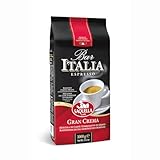
- AUTHENTIC ITALIAN ESPRESSO EXPERIENCE: From Saquella Caffè, family coffee roasters in Italy since 1856 — blending heritage, passion, and quality in every bean.
- FULL-BODIED & CREAMY FLAVOR: A signature Arabica and Robusta blend that delivers a bold espresso with a thick, velvety crema and lingering chocolate notes.
- MEDIUM-DARK ROAST: Carefully roasted for a rich aroma and balanced taste — smooth yet intense, ideal for espresso, cappuccino, or macchiato.
- CONSISTENT QUALITY: Beans are slow-roasted and expertly blended to ensure uniform extraction and a true Italian café-style experience at home.
- MADE IN ITALY: Imported directly from Italy — Saquella Bar Italia Gran Crema is the choice of professional baristas and espresso lovers worldwide.
Pros, Cons, and When it Matters
- Dark Roasts:
- Pros: Bold, rich flavor; great for traditional espresso; good crema.
- Cons: Can sometimes taste bitter or burnt if over-roasted; less nuanced acidity.
- When it matters: You want that classic, intense espresso shot.
- Medium Roasts:
- Pros: More balanced flavor; retains some origin characteristics; good acidity.
- Cons: Can be trickier to dial in for espresso; might not produce as much crema.
- When it matters: You appreciate subtle flavors and want a less intense, more complex shot.
- Blends:
- Pros: Consistent flavor; balanced profile; often designed specifically for espresso.
- Cons: Can sometimes mask unique origin flavors.
- When it matters: You want reliability and a well-rounded espresso every time.
- Single Origins:
- Pros: Highlights unique flavors of a specific region; interesting to explore.
- Cons: Can be highly variable; might be too acidic or lack body for espresso.
- When it matters: You’re an adventurous drinker and enjoy discovering distinct coffee profiles.
- Arabica Beans:
- Pros: Complex aromas and flavors; generally sweeter.
- Cons: Can lack the body and crema desired in traditional espresso.
- When it matters: Flavor complexity is your top priority.
- Robusta Beans (in blends):
- Pros: Adds crema; increases body and caffeine; can add a pleasant bitterness.
- Cons: Can be harsh or rubbery if used in high percentages.
- When it matters: You want that thick, stable crema and a bit of a punch.
- Freshly Roasted Beans:
- Pros: Maximum flavor and aroma; best crema potential.
- Cons: Requires planning and careful purchasing; can be more expensive.
- When it matters: You’re serious about achieving the best possible espresso quality.
- Pre-ground Espresso Coffee:
- Pros: Convenient.
- Cons: Loses flavor and aroma rapidly; impossible to achieve optimal extraction.
- When it matters: Convenience trumps quality (but we don’t recommend this for espresso!).
Common Misconceptions
- Myth: Any dark roast coffee is good for espresso.
- Reality: While dark roasts are generally better, the quality of the roast and the bean itself matters. A poorly roasted dark bean will still taste bad.
- Myth: You need super expensive, rare beans for good espresso.
- Reality: Good quality, fresh beans from a reputable roaster are more important than exotic origins. You can make fantastic espresso with well-chosen blends.
- Myth: Espresso beans are a special type of bean.
- Reality: “Espresso beans” usually refers to beans that are roasted and blended specifically for espresso. They are typically Arabica, sometimes with a touch of Robusta, and roasted darker.
- Myth: The fresher the bean, the better the espresso.
- Reality: While freshness is vital, too fresh can be an issue. Beans need a few days to a week post-roast for CO2 to degas properly for optimal extraction.
- Myth: You can use leftover drip coffee beans for espresso.
- Reality: Drip coffee is usually ground coarser and roasted for a different extraction method. Espresso beans are ground finer and roasted for pressure. They are not interchangeable.
- Myth: More Robusta means more crema.
- Reality: Robusta can contribute to crema, but it’s the quality of the extraction and the freshness of the beans that are the primary drivers of good crema. Too much Robusta can lead to a harsh, unappealing crema.
- Myth: Coffee from a dark roast is always bitter.
- Reality: Bitterness in dark roasts often comes from over-roasting. A well-executed dark roast should be rich and bold, not acridly bitter.
- Myth: You can store coffee beans in the freezer for freshness.
- Reality: Freezing can introduce moisture and damage the beans’ delicate oils, leading to stale flavor. Airtight containers at room temperature are best.
FAQ
- What is the ideal roast level for espresso?
Darker roasts are generally preferred for their bold, rich flavors and tendency to produce good crema. However, medium-dark to medium roasts can also work well if you enjoy more nuanced flavors and are willing to dial in your grind and extraction precisely.
- Should I buy whole beans or pre-ground coffee for my espresso maker?
Always buy whole beans. Pre-ground coffee loses its volatile aromatic compounds very quickly, making it impossible to achieve the fresh, vibrant flavors and rich crema that espresso is known for. Grind your beans right before you brew.
- How important is the grind size for espresso?
Extremely important. Espresso requires a very fine, consistent grind. If the grind is too coarse, water will pass through too quickly, resulting in a weak, under-extracted shot. If it’s too fine, water may not pass through at all, leading to an over-extracted, bitter shot.
- Can I use the same coffee beans for espresso and drip coffee?
While technically you can, it’s not ideal. Beans roasted and blended for espresso are optimized for high pressure and fine grinds. Beans for drip coffee are typically roasted for a coarser grind and lower pressure, resulting in different flavor profiles.
- What does “espresso blend” mean?
An espresso blend is a mix of different coffee beans, often from various origins and sometimes including both Arabica and Robusta species. These blends are carefully crafted by roasters to achieve a balanced flavor, body, and crema that perform well under espresso brewing conditions.
- How long do coffee beans stay fresh for espresso?
For optimal flavor, aim to use beans within 2-4 weeks of their roast date. After this, the volatile aromatic compounds begin to degrade, impacting the taste and crema. Always store them in an airtight container.
- Should I look for beans specifically labeled “espresso”?
Yes, this is often a good indicator. Roasters will label beans as “espresso” when they have been roasted and/or blended with espresso brewing in mind. This usually means a darker roast profile and a blend that promotes body and crema.
What This Page Does Not Cover (And Where to Go Next)
- Specific brand recommendations or reviews. For that, check out coffee publications and enthusiast forums.
- Detailed comparisons of different espresso machine types (manual, semi-automatic, super-automatic). Look into guides focused on espresso machine technology.
- The science of extraction and how to troubleshoot common espresso problems like channeling or under/over-extraction. Dive into resources on coffee brewing science.
- Home roasting your own beans. If you’re keen on that, there are dedicated guides for home roasting techniques.
- The history of espresso or its cultural significance. Explore coffee history books or documentaries.