
Understanding Robusta Coffee Bean Origins
Quick answer
- Robusta coffee (Coffea canephora) is the second most popular coffee species globally, after Arabica.
- It’s known for its strong flavor, higher caffeine content, and robust growing characteristics.
- Vietnam is the world’s largest producer of Robusta coffee, followed by Brazil and Indonesia.
- Robusta thrives in hot climates with high rainfall, often at lower altitudes than Arabica.
- Its beans are a staple in espresso blends, instant coffee, and some traditional brewing methods due to their crema-producing qualities and bold taste.
- While often associated with lower quality, specialty Robusta varieties are gaining recognition.
Robusta beans are a staple in espresso blends due to their crema-producing qualities and bold taste. If you’re looking to create a rich espresso at home, consider trying out some quality espresso blend beans.
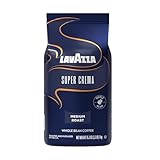
- SUPER CREMA: A 2.2 lb whole bean coffee bag ideal for espresso preparation
- INTENSITY AND ROAST: This full-bodied medium roast offers a bold and creamy finish
- BLEND: Made from Arabica and Robusta beans, this naturally caffeinated blend is sourced from 15 coffee-growing countries around the world
- PREPARATION: Ideal for espresso preparation.
- BREWING GUIDE FOR SINGLE ESPRESSO: 0.28 oz of ground espresso delivers a 1 oz espresso shot
Key terms and definitions
- Coffea canephora: The botanical name for the Robusta coffee species.
- Robusta: A species of coffee known for its hardiness, high caffeine, and strong flavor.
- Arabica: The most popular coffee species, known for its complex flavors and aromas.
- Crema: The reddish-brown foam that floats on top of an espresso shot, often more pronounced with Robusta.
- Instant coffee: Coffee that has been brewed and then dehydrated, often using Robusta beans.
- Espresso blend: A mixture of coffee beans, typically including Robusta for body and crema, designed for espresso brewing.
- Terroir: The complete natural environment in which a particular coffee is produced, including factors such as soil, topography, and climate.
- Green coffee beans: Unroasted coffee beans, ready for export and roasting.
- Caffeine content: The amount of caffeine present in coffee; Robusta typically has 2.5-4.5% caffeine by weight, compared to Arabica’s 1.5%.
- Commodity coffee: Coffee traded in large volumes on the global market, often referring to lower-grade beans.
How Robusta coffee production works
- Cultivation: Robusta coffee plants are typically grown from seedlings in nurseries and then transplanted to fields.
- Climate requirements: They prefer hot, humid climates with ample rainfall, often at altitudes between sea level and 3,000 feet.
- Flowering: The plants produce white, fragrant flowers that mature into coffee cherries.
- Cherry development: After flowering, the coffee cherries develop over several months, changing color from green to red or yellow when ripe.
- Harvesting: Cherries are typically hand-picked or strip-picked when ripe, depending on the region and labor availability.
- Processing: After harvest, the cherries are processed to remove the outer layers and extract the bean. This is commonly done using the “natural” (dry) method or the “washed” (wet) method.
- Drying: The beans, still encased in parchment, are then dried to a specific moisture content, often on patios or in mechanical dryers.
- Milling: Once dried, the parchment layer is removed, and the green coffee beans are sorted by size and quality.
- Export: The green Robusta coffee beans are then bagged and shipped to roasters worldwide.
- Roasting: Roasters transform the green beans into the familiar brown coffee beans through heat, developing their flavor and aroma.
What affects the result of Robusta coffee
- Origin and growing region: The specific climate, soil, and altitude of where the coffee is grown significantly impact its flavor profile. For example, Vietnamese Robusta can differ from Indonesian Robusta.
- Processing method: Whether the beans are natural/dry processed (dried with the fruit intact) or washed/wet processed (fruit removed before drying) influences sweetness, body, and acidity.
- Bean quality and grading: Robusta beans are graded based on factors like size, defects, and moisture content, affecting the final cup quality.
- Roast level: A light roast will highlight acidity and origin characteristics, while a dark roast will emphasize boldness, bitterness, and body, often desired in Robusta.
- Freshness of the beans: Both green and roasted Robusta beans degrade over time. Freshly roasted beans offer the best flavor.
- Grind consistency: An even grind is crucial for consistent extraction, whether for espresso or other brewing methods.
- Water quality: Filtered water free from strong odors or tastes is essential to allow the coffee’s true flavors to shine.
- Brewing temperature: Water temperature between 195-205°F is generally recommended for optimal extraction of Robusta’s compounds.
- Coffee-to-water ratio: The proportion of ground coffee to water impacts the strength and concentration of the brew.
- Brewing method: Different brewing methods (e.g., espresso, French press, drip) will highlight various characteristics of the Robusta coffee.
- Storage conditions: Proper storage away from light, heat, and air helps preserve the freshness of both green and roasted Robusta.
- Harvesting practices: Careful harvesting of only ripe cherries can lead to a sweeter, more uniform batch of beans.
Pros, cons, and when who makes Robusta coffee matters
- Pro: High caffeine content: Robusta typically has significantly more caffeine than Arabica, making it a good choice for those seeking a strong energy boost.
- Con: Strong, often bitter flavor: Robusta is known for its bold, sometimes rubbery or earthy notes, which some find less appealing than Arabica’s complexity.
- Pro: Excellent crema production: Robusta beans contribute significantly to the thick, persistent crema desired in traditional espresso shots.
- Con: Less aromatic complexity: Compared to Arabica, Robusta generally offers a simpler aroma profile with fewer floral or fruity notes.
- Pro: Hardiness and disease resistance: Robusta plants are more resilient to pests, diseases, and harsh growing conditions, making them easier to cultivate.
- Con: Lower perceived quality: Historically, Robusta has been associated with lower-grade coffee and instant coffee, though this perception is changing with specialty Robusta.
- When it matters: Espresso blends: Its body, crema, and boldness make it ideal for adding structure and depth to espresso.
- When it matters: Instant coffee: Its strong flavor and high yield make it a cost-effective and flavorful base for instant coffee products.
- When it matters: Cost-effectiveness: Robusta is generally cheaper to produce and purchase than Arabica, making it an economical choice for many applications.
- When it matters: Strong, bold cup: For those who prefer a very strong, unadulterated coffee taste, Robusta can be an excellent choice.
- When it matters: Environmental resilience: Its ability to thrive in challenging environments makes it a potential option for coffee farming in areas affected by climate change.
- When it matters: Traditional brewing in some cultures: Certain traditional brewing methods in countries like Vietnam specifically utilize Robusta for its characteristic taste.
Common misconceptions about who makes Robusta coffee
- Misconception: All Robusta is low quality. While much commodity Robusta is lower grade, there is a growing market for specialty Robusta that offers unique and desirable flavor profiles.
- Misconception: Robusta is only used in instant coffee. While a major component of instant coffee, Robusta is also widely used in espresso blends and can be brewed on its own.
- Misconception: Robusta has no flavor nuances. Although often described as bold or rubbery, good quality Robusta can exhibit notes of chocolate, nuts, and even some fruitiness, especially with careful processing and roasting.
- Misconception: Robusta is always bitter. Bitterness in coffee can be a result of over-extraction or a very dark roast, not solely due to the bean species. While Robusta can be more inherently bitter than Arabica, it doesn’t have to be overwhelmingly so.
- Misconception: Robusta is bad for espresso. On the contrary, Robusta is prized in espresso blends for its ability to produce excellent crema and a full-bodied shot that can stand up to milk.
- Misconception: Robusta plants are identical to Arabica plants. They are distinct species with different growth habits, leaf structures, and bean shapes. Robusta plants are generally larger and more robust.
- Misconception: Robusta can’t be brewed as a single-origin coffee. While less common, some specialty roasters offer single-origin Robusta, showcasing its unique regional characteristics.
- Misconception: All strong coffee is Robusta. Strength can also come from a high coffee-to-water ratio or a very dark roast of Arabica beans.
FAQ
Where are the main regions who makes Robusta coffee?
The primary countries producing Robusta coffee are Vietnam, which is the world’s largest producer, followed by Brazil, Indonesia, India, and Uganda. These regions offer the hot, humid climates that Robusta thrives in.
Is Robusta coffee stronger than Arabica?
In terms of caffeine content, yes, Robusta coffee typically contains about 2.5% to 4.5% caffeine by weight, which is significantly higher than Arabica’s 1.5%. Flavor-wise, it’s often described as bolder and more intense.
Why is Robusta often used in espresso blends?
Robusta is favored in espresso blends for several reasons: its high caffeine content, its ability to produce a thick and lasting crema, and its strong body that can cut through milk, providing a robust flavor in lattes and cappuccinos.
Can I brew Robusta coffee at home using regular methods?
Yes, you can brew Robusta coffee at home using various methods like a French press, drip coffee maker, or even an AeroPress. Adjust your grind size and brewing parameters to suit its strong characteristics.
Does Robusta coffee taste bitter?
Robusta can have a more inherently bitter taste compared to Arabica, often described as earthy or rubbery. However, good quality Robusta, properly roasted and brewed, can offer notes of chocolate and nuts, and excessive bitterness is often a sign of over-extraction or a very dark roast.
Is Robusta coffee cheaper than Arabica?
Generally, yes. Robusta is typically more affordable to produce due to its hardiness, higher yields, and less demanding growing conditions, which translates to a lower price point on the market.
What’s the difference between Robusta and Arabica beans visually?
Robusta beans are generally rounder and smaller than Arabica beans, and they often have a straighter, less pronounced crease down the middle. Arabica beans are typically more oval and have a more distinct, S-shaped crease.
What this page does NOT cover (and where to go next)
- Specific brand recommendations for Robusta coffee.
- Detailed instructions for roasting Robusta beans at home.
- The economic impact of Robusta production on specific local communities.
- The intricate chemical composition differences between Robusta and Arabica.
- In-depth reviews of various Robusta brewing equipment.
- The history of coffee cultivation beyond Robusta’s origins.