
Espresso Makers: What Coffee Beans To Use?
Quick answer
- Espresso brewing requires finely ground coffee beans.
- While any coffee bean can be used, certain characteristics are ideal for espresso.
- Medium to dark roasts are generally preferred for their bold flavor and lower acidity.
- Look for beans with notes of chocolate, caramel, or nuts for a classic espresso profile.
- Freshly roasted beans, ground just before brewing, will yield the best results.
- Espresso machines use pressure, so the grind size is crucial for proper extraction.
For the best espresso experience, consider using high-quality espresso coffee beans, which are often medium to dark roasts designed to deliver bold flavor and rich crema.
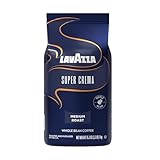
- SUPER CREMA: A 2.2 lb whole bean coffee bag ideal for espresso preparation
- INTENSITY AND ROAST: This full-bodied medium roast offers a bold and creamy finish
- BLEND: Made from Arabica and Robusta beans, this naturally caffeinated blend is sourced from 15 coffee-growing countries around the world
- PREPARATION: Ideal for espresso preparation.
- BREWING GUIDE FOR SINGLE ESPRESSO: 0.28 oz of ground espresso delivers a 1 oz espresso shot
Key terms and definitions
- Espresso: A concentrated coffee beverage brewed by forcing hot water under high pressure through finely ground coffee beans.
- Roast Level: Refers to how long and at what temperature coffee beans have been roasted, affecting their flavor, aroma, and color.
- Acidity: A desirable bright, tangy, or fruity characteristic in coffee, not to be confused with sourness.
- Body: The mouthfeel or weight of the coffee on the palate; it can range from light and delicate to heavy and viscous.
- Crema: The reddish-brown foam that forms on top of a well-pulled espresso shot, composed of coffee oils and CO2.
- Grind Size: The coarseness or fineness of coffee particles after grinding. Espresso requires a very fine grind.
- Extraction: The process of dissolving soluble compounds from coffee grounds into water.
- Bloom: The initial release of CO2 gas from freshly roasted coffee grounds when hot water is first introduced.
- Single Origin: Coffee beans that come from a single known geographical location, such as a specific farm or region.
- Blend: A mixture of coffee beans from different origins, often created to achieve a balanced and complex flavor profile.
How it works
- Espresso machines use a pump to generate high pressure, typically around 9 bars.
- This pressure forces hot water through a tightly packed bed of finely ground coffee.
- The hot water rapidly dissolves soluble compounds from the coffee grounds.
- This process extracts oils, acids, sugars, and other flavor components.
- The result is a concentrated shot of coffee with a distinct layer of crema on top.
- The fine grind size creates resistance, allowing the water to build pressure and extract effectively.
- The short brewing time, usually 20-30 seconds, is key to espresso’s intensity.
- A well-pulled shot balances sweetness, acidity, and bitterness.
What affects the result
- Bean Origin: Different regions produce beans with unique flavor profiles, from bright and fruity Ethiopian coffees to rich and chocolatey Brazilian beans.
- Roast Level: Light roasts can be too acidic and lack the body for espresso, while overly dark roasts may taste burnt and bitter. Medium to dark roasts are often preferred.
- Freshness of Beans: Coffee beans are best used within a few weeks of their roast date for optimal flavor and crema. Stale beans produce flat, uninspired espresso.
- Grind Size: This is paramount. Too coarse a grind leads to under-extraction and a weak, sour shot. Too fine a grind causes over-extraction and a bitter, choked shot.
- Water Quality: Filtered water is recommended to avoid mineral buildup in the machine and to ensure clean flavors.
- Water Temperature: Ideally between 195°F and 205°F (90.5°C and 96°C) for optimal extraction.
- Coffee-to-Water Ratio: The proportion of coffee grounds to the amount of water used affects the strength and flavor. A common starting point is a 1:2 ratio (e.g., 18 grams of coffee to 36 grams of espresso).
- Tamping Pressure: Evenly and firmly pressing the coffee grounds into the portafilter is crucial for consistent water flow.
- Machine Type: Different espresso machines (manual, semi-automatic, automatic) can influence the brewing process and the final result.
- Brew Time: The duration the water is in contact with the coffee grounds. Too short can be sour, too long can be bitter.
- Bean Moisture Content: The water content of the bean can affect grind consistency and extraction.
- Altitude: While less common for home brewers, high altitudes can affect water boiling points and extraction dynamics.
Pros, cons, and when it matters
- Using Espresso-Specific Beans:
- Pros: Often roasted for bold flavor, good body, and crema production. Can simplify the process of achieving good espresso.
- Cons: May limit exploration of lighter, more nuanced coffee flavors. Can be more expensive.
- When it matters: If you primarily drink espresso and want consistent, classic results without extensive experimentation.
- Using Blended Beans for Espresso:
- Pros: Blends are designed for balance and complexity, often creating a well-rounded espresso with good crema. Roasters can fine-tune flavors.
- Cons: Less emphasis on a single origin’s unique characteristics.
- When it matters: When you appreciate a harmonious and consistent espresso flavor profile that a single origin might not provide.
- Using Single Origin Beans for Espresso:
- Pros: Highlights the unique terroir and flavor notes of a specific region or farm. Offers a chance to explore diverse tastes.
- Cons: Can be more challenging to dial in for espresso due to varying bean densities and roast characteristics. Some origins might be too acidic or delicate.
- When it matters: For the adventurous home barista who wants to taste the distinct personality of coffees from around the world in their espresso.
- Using Medium to Dark Roasts:
- Pros: Typically produce a bolder flavor, richer body, and better crema formation, which are hallmarks of traditional espresso.
- Cons: Can mask subtle, delicate flavors found in lighter roasts. Risk of bitterness if roasted too dark.
- When it matters: For those who prefer a strong, classic espresso taste with a satisfying mouthfeel.
- Using Lighter Roasts for Espresso:
- Pros: Can showcase bright, fruity, or floral notes. Offers a more nuanced and complex flavor profile.
- Cons: More difficult to extract without sourness or bitterness. May result in less crema and body.
- When it matters: For experienced baristas willing to experiment and for those who enjoy a more delicate, acidic espresso.
- Using Freshly Roasted Beans:
- Pros: Maximum flavor potential, optimal CO2 for crema, and a vibrant aroma.
- Cons: Requires planning and regular purchasing.
- When it matters: Always, for the best possible espresso. Beans are typically at their peak 3-21 days post-roast.
- Using Pre-Ground Coffee:
- Pros: Convenient.
- Cons: Loses freshness and aroma rapidly. Grind size is usually not optimal for espresso, leading to poor extraction.
- When it matters: It generally doesn’t, for good espresso. It’s a compromise that significantly impacts quality.
Common misconceptions
- You must buy “espresso beans.” While specific blends are formulated for espresso, any coffee bean can be used if roasted and ground correctly for the machine.
- Espresso beans are always dark roasted. Many roasters offer medium or even lighter roasts specifically for espresso, focusing on different flavor profiles.
- Espresso is always bitter. A well-pulled espresso shot should be balanced, with sweetness, acidity, and a pleasant bitterness. Bitterness usually indicates over-extraction.
- You need a super expensive machine to make good espresso. While high-end machines offer more control, many capable home machines exist. Proper technique and good beans are equally important.
- Any fine grind will work for espresso. The fineness needs to be precise for your specific machine and dose. Too fine or too coarse will ruin the shot.
- More pressure equals better espresso. While pressure is key, it needs to be within a specific range (around 9 bars) and applied consistently.
- Espresso is just strong coffee. It’s a different brewing method altogether, using pressure and a fine grind to create a concentrated beverage.
- You can use any coffee bean for any brewing method. Different brewing methods have different requirements for grind size and extraction time, influencing the ideal bean characteristics.
- Crema is the only indicator of a good shot. While important, crema is just one part of a balanced espresso. Flavor and body are equally critical.
- Coffee beans are best ground right before brewing for all methods. While true for espresso, some methods like cold brew can benefit from slightly less fresh grounds.
FAQ
Q: Do I need to buy special “espresso beans”?
A: Not necessarily. While many beans are labeled for espresso, they are often just medium to dark roasts with a grind suitable for the method. You can use many types of coffee beans if they are roasted appropriately and ground finely enough for your machine.
Q: What roast level is best for espresso?
A: Medium to dark roasts are generally preferred for their bold flavor and good crema production. However, adventurous baristas may find success with lighter roasts, though these can be more challenging to extract without sourness.
Q: How fine should my coffee be ground for espresso?
A: The grind needs to be very fine, resembling powdered sugar or table salt. It’s crucial to adjust the grind size based on your espresso machine and the coffee you’re using; too fine will choke the machine, and too coarse will result in a weak shot.
Q: Can I use my regular drip coffee beans for espresso?
A: You can try, but the grind will likely be too coarse, leading to under-extraction and a sour, weak shot. Even if the beans are suitable, they must be ground extremely fine.
Q: How fresh do my coffee beans need to be?
A: For optimal espresso, beans are best used between 3 days and 3 weeks after their roast date. They need time to degas (release CO2) but shouldn’t be too old, as their volatile aromatics will have dissipated.
Q: What kind of flavors should I look for in espresso beans?
A: Classic espresso flavors often include notes of chocolate, caramel, nuts, and sometimes dark fruit. However, single-origin beans can offer a much wider range, from floral to citrusy.
Q: Does the origin of the bean matter for espresso?
A: Yes, origin significantly impacts flavor. Beans from Brazil or Colombia might offer classic chocolatey notes, while Ethiopian beans could provide fruity or floral characteristics, offering different espresso experiences.
Q: What is “dialing in” espresso?
A: Dialing in refers to the process of adjusting your grind size, dose (amount of coffee), and yield (amount of liquid espresso) to achieve the perfect extraction for a specific coffee.
What this page does NOT cover (and where to go next)
- Specific brand recommendations for espresso machines or grinders.
- Detailed troubleshooting for common espresso machine malfunctions.
- Advanced latte art techniques.
- The science behind specific flavor compounds in coffee.
- Recipes for espresso-based drinks beyond the basic shot.