
Best Coffee Beans For Making Espresso At Home
Quick answer
- Espresso demands a specific kind of bean. Think dark roasts, but not burnt.
- You want beans with body and low acidity. They hold up to the pressure.
- Freshness is king. Roasted within the last few weeks, ideally.
- Look for beans that mention “espresso blend” or “suitable for espresso.”
- Single origins can work, but blends often offer more balance.
- Don’t be afraid to experiment. Your taste buds are the final judge.
Key terms and definitions
- Espresso: A concentrated coffee brewed by forcing hot water under high pressure through finely-ground coffee beans.
- Roast Level: How long and at what temperature coffee beans have been roasted. Ranges from light to dark.
- Acidity: The bright, tangy, or tart taste in coffee. Not to be confused with pH level.
- Body: The mouthfeel or weight of the coffee in your mouth. Think thick vs. thin.
- Crema: The reddish-brown foam on top of a well-pulled espresso shot. A sign of freshness and proper extraction.
- Blend: A mix of coffee beans from different regions or varietals. Designed for balance.
- Single Origin: Coffee from a specific geographical location, like a farm or region. Highlights unique characteristics.
- Extraction: The process of dissolving soluble compounds from coffee grounds into water.
- Grind Size: How fine or coarse the coffee beans are ground. Crucial for espresso.
- Tamp: To press down on the coffee grounds in the portafilter to create a dense, even puck.
How it works: What coffee to use to make espresso
- Espresso machines force hot water through a packed bed of finely ground coffee. This high pressure is key.
- The beans need to be roasted dark enough to develop rich flavors but not so dark they taste like charcoal.
- A medium-dark to dark roast is usually the sweet spot. It brings out those chocolatey, nutty, and caramel notes.
- The beans’ inherent oiliness plays a role. Espresso grinds need a bit of oil to help with extraction and crema.
- Freshly roasted beans are packed with CO2. This gas is essential for building that signature crema.
- Blends are often crafted to achieve a specific flavor profile for espresso. They balance sweetness, acidity, and body.
- Think of it like a chef creating a recipe. Different beans are chosen for their unique contributions.
- The fine grind creates resistance. This allows the pressurized water to work its magic.
- The goal is to extract the right balance of flavors without bitterness or sourness.
- It’s a delicate dance between bean, roast, grind, and pressure.
Many baristas prefer an espresso blend for its balanced flavor profile. This espresso blend coffee is a popular choice for achieving consistent, delicious results.

- THE COFFEE YOU DESIRE - illy’s blend of fine Arabica ground coffee with a distinctive flavor, featuring a bold and full-bodied taste with warm notes of cocoa and dried fruit.
- PREPARE COFFEE WITH EASE - Evoke a classic Italian beverage at any time. Coffee is to be freshly prepared and enjoyed immediately. Create the finest coffee experience in the comfort of your home.
- THE FINEST GROUND COFFEE - We select only the 1% of the finest beans, thanks to a devoted collaboration with growers who place maximum importance on quality and sustainability.
- WE BRING THE TASTE OF ITALY TO YOU - We’ve spent eight decades refining a singular, signature blend celebrated over the world as the pinnacle of what espresso coffee can be.
- SUSTAINABILITY IS OUR VISION - We pride ourselves on the constant focus on our environment and the community. We are part of a global movement with a common goal: to pave the way for a better, more liveable and more enlightened world.
For a great starting point, consider a high-quality espresso bean like these. They are specifically roasted to bring out the rich flavors needed for a perfect shot.
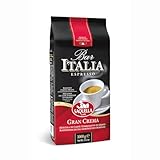
- AUTHENTIC ITALIAN ESPRESSO EXPERIENCE: From Saquella Caffè, family coffee roasters in Italy since 1856 — blending heritage, passion, and quality in every bean.
- FULL-BODIED & CREAMY FLAVOR: A signature Arabica and Robusta blend that delivers a bold espresso with a thick, velvety crema and lingering chocolate notes.
- MEDIUM-DARK ROAST: Carefully roasted for a rich aroma and balanced taste — smooth yet intense, ideal for espresso, cappuccino, or macchiato.
- CONSISTENT QUALITY: Beans are slow-roasted and expertly blended to ensure uniform extraction and a true Italian café-style experience at home.
- MADE IN ITALY: Imported directly from Italy — Saquella Bar Italia Gran Crema is the choice of professional baristas and espresso lovers worldwide.
What affects the result
- Bean Origin: Some regions naturally produce beans with lower acidity and fuller body, perfect for espresso.
- Roast Profile: Darker roasts generally yield bolder, more intense flavors that stand up to pressure.
- Freshness of Roast: Beans roasted within the last 1-4 weeks are ideal. Old beans lose aromatics and CO2.
- Bean Blend vs. Single Origin: Blends offer balance; single origins highlight unique terroir. Both can make great espresso.
- Processing Method: Washed, natural, or honey processing can subtly alter flavor and body.
- Bean Density: Denser beans can withstand the pressure better and offer more complex flavors.
- Oil Content: A slight oiliness on the bean surface is good. It contributes to crema and mouthfeel.
- Roaster’s Skill: A good roaster knows how to bring out the best in a bean for espresso.
- Storage Conditions: Keeping beans in an airtight container away from light and heat is crucial.
- Grind Consistency: A uniform grind size is non-negotiable for even extraction.
- Water Quality: Filtered water makes a difference. Tap water can add unwanted flavors.
- Your Personal Taste: Ultimately, what you like is what matters most.
Pros, cons, and when it matters
- Darker Roasts:
- Pros: Bold flavor, low acidity, good body, often create nice crema. Great for traditional espresso.
- Cons: Can sometimes taste bitter or burnt if roasted too far. Might mask subtle bean nuances.
- When it matters: If you love a classic, strong espresso shot or milk-based drinks where the espresso needs to cut through.
- Medium-Dark Roasts:
- Pros: Good balance of boldness and complexity. Still has body and crema potential.
- Cons: Might have slightly more acidity than a very dark roast.
- When it matters: A versatile choice. Good for straight espresso and pairs well with milk. A solid all-rounder.
- Blends:
- Pros: Designed for balance and consistency. Often create a smooth, well-rounded shot.
- Cons: Can sometimes lack the unique character of a great single origin.
- When it matters: If you want reliability and a flavor profile that’s consistently pleasing for daily drinking.
- Single Origins:
- Pros: Can offer unique, complex, and exciting flavors. Highlights the bean’s terroir.
- Cons: Acidity can be higher. May require more dialing in for espresso. Can be inconsistent.
- When it matters: For the adventurous home barista who wants to explore distinct flavor profiles and is willing to experiment.
- Freshness:
- Pros: Essential for good crema and vibrant flavor. CO2 aids extraction.
- Cons: Requires buying beans more frequently and paying attention to roast dates.
- When it matters: Always. Freshness is paramount for any good coffee, especially espresso.
- Bean Density:
- Pros: Higher density beans often extract well under pressure, offering rich flavors.
- Cons: Can be harder to grind evenly if not using a quality grinder.
- When it matters: For achieving a balanced extraction with good sweetness and body.
Common misconceptions
- “Espresso beans are a specific type of bean.” Nope. It’s more about the roast and blend than a unique bean varietal.
- “The darker the roast, the better for espresso.” Not true. Over-roasted beans taste burnt and lose complexity.
- “You need super expensive beans for good espresso.” While quality matters, a well-roasted, fresh, medium-dark bean from a good roaster can be fantastic.
- “Any old coffee will work for espresso.” Definitely not. The pressure requires specific grind and roast characteristics.
- “Crema means the espresso is good.” Crema is a sign of freshness and proper extraction, but it doesn’t guarantee taste. A bad shot can still have crema.
- “You can’t use light roasts for espresso.” Some adventurous baristas do, but it’s challenging. They tend to be acidic and thin under pressure.
- “Beans labeled ‘espresso’ are always the best.” It’s a good starting point, but always check the roast date and consider your own taste.
- “Once roasted, beans stay good forever.” Coffee is best within a few weeks of roasting. It degrades over time.
- “All beans from the same region taste the same.” Not quite. Farming practices, altitude, and processing all play a role.
FAQ
Q: What kind of roast level should I look for?
A: Aim for medium-dark to dark roasts. They provide the body and bold flavors needed for espresso without being overly bitter.
Q: Does the origin of the bean matter for espresso?
A: Yes, it can. Beans from regions like Brazil or Sumatra often have lower acidity and fuller body, which are great for espresso.
Q: How important is the roast date?
A: Extremely important. Freshly roasted beans (within 1-4 weeks) are essential for good crema and vibrant flavor.
Q: Can I use the same beans for drip coffee and espresso?
A: You can, but beans specifically suited for espresso often perform better due to their roast and blend characteristics under pressure.
Q: What if my beans are oily? Is that bad?
A: A little oiliness is usually good for espresso, contributing to crema and mouthfeel. If they’re excessively oily and smell stale, they might be too old.
Q: Should I buy whole beans or pre-ground?
A: Always buy whole beans. Grinding right before brewing makes a massive difference in freshness and flavor for espresso.
Q: What’s the difference between an espresso blend and a single origin for espresso?
A: Blends are crafted for balance and consistency. Single origins highlight unique flavors but can be trickier to dial in for espresso.
Q: How should I store my espresso beans?
A: Keep them in an airtight container, away from light, heat, and moisture. Avoid the refrigerator or freezer for daily use.
What this page does NOT cover (and where to go next)
- Specific brand recommendations or comparisons. (Check coffee blogs and reviews for those.)
- Detailed instructions on dialing in your espresso grind. (This is a whole other rabbit hole.)
- Advanced techniques like tamping pressure or water temperature. (Focus on the beans first.)
- Maintenance and cleaning of espresso machines. (Your machine’s manual is your friend here.)
- The science behind coffee extraction. (If you’re curious, look for coffee science resources.)