
Using Espresso Beans for Regular Coffee Brewing
Quick answer
- Yep, you can totally use espresso beans for your regular drip or pour-over.
- The main difference is roast level, not the bean itself. Espresso roasts are usually darker.
- Expect a bolder, sometimes more bitter, cup if you use a dark roast meant for espresso.
- You might need to adjust your grind size for best results. Finer is often better.
- Freshness still matters, even with espresso beans.
- Don’t sweat it too much. It’s coffee, after all.
If you’re looking to try this out, consider picking up a bag of quality espresso beans to experiment with.
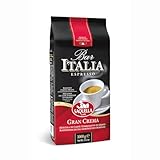
- AUTHENTIC ITALIAN ESPRESSO EXPERIENCE: From Saquella Caffè, family coffee roasters in Italy since 1856 — blending heritage, passion, and quality in every bean.
- FULL-BODIED & CREAMY FLAVOR: A signature Arabica and Robusta blend that delivers a bold espresso with a thick, velvety crema and lingering chocolate notes.
- MEDIUM-DARK ROAST: Carefully roasted for a rich aroma and balanced taste — smooth yet intense, ideal for espresso, cappuccino, or macchiato.
- CONSISTENT QUALITY: Beans are slow-roasted and expertly blended to ensure uniform extraction and a true Italian café-style experience at home.
- MADE IN ITALY: Imported directly from Italy — Saquella Bar Italia Gran Crema is the choice of professional baristas and espresso lovers worldwide.
Key terms and definitions
- Espresso Beans: Typically darker roasted coffee beans, often blended for a specific flavor profile suited to high-pressure brewing.
- Regular Coffee Brewing: Methods like drip, pour-over, French press, or AeroPress that use gravity or immersion with lower pressure.
- Roast Level: How long and at what temperature coffee beans are roasted, significantly impacting flavor. Light, medium, and dark are common categories.
- Grind Size: The fineness or coarseness of ground coffee. This affects how quickly water extracts flavor.
- Extraction: The process of dissolving soluble compounds from coffee grounds into water.
- Acidity: The bright, tangy, or tart flavors in coffee, often more prominent in lighter roasts.
- Bitterness: A common characteristic of darker roasts, which can be desirable or overpowering depending on preference.
- Brew Ratio: The proportion of coffee grounds to water used in brewing.
- Bloom: The initial release of CO2 gas when hot water first hits fresh coffee grounds.
How it works
- Coffee beans, regardless of intended brewing method, are roasted seeds of the coffee plant.
- Espresso machines force hot water through finely-ground, compacted coffee under high pressure. This creates a concentrated shot.
- Regular coffee brewers use lower pressure, allowing water to flow through coarser grounds more slowly.
- Espresso roasts are often darker to develop specific flavors under pressure and are sometimes blended for balance.
- Using an espresso roast in a regular brewer means you’re essentially brewing a darker, bolder coffee.
- The physical bean itself isn’t fundamentally different; it’s the roast and intended preparation.
- Water still dissolves the coffee’s oils and solids to create your brew.
- Your grind size is key to controlling how much flavor comes out.
What affects the result
- Roast Level: Darker espresso roasts can lead to a more bitter, less nuanced cup in regular brewing.
- Grind Size: Espresso beans might be ground finer. Too fine for drip can lead to over-extraction and bitterness. Too coarse for espresso is just weak.
- Water Temperature: Most brewers aim for 195-205°F. This range works for most beans.
- Brew Ratio: If you use the same ratio as a lighter roast, a darker espresso roast might taste too strong or bitter.
- Bean Freshness: Old beans, no matter the roast, taste stale. Espresso beans are no different.
- Water Quality: Filtered water always makes better coffee.
- Brewer Type: Drip, pour-over, French press – they all interact with the coffee differently.
- Your Taste Buds: Ultimately, what tastes good to you is what matters.
- Origin of the Bean: While roast is key for espresso, the bean’s origin still contributes its base flavors.
- Blending: Many espresso blends are designed for balance. Using one might give you a more complex cup than a single-origin dark roast.
- Grinding Technique: A consistent grind is more important than the bean type.
- Extraction Time: How long the water is in contact with the grounds.
Pros, cons, and when it matters
- Pro: You can use up that bag of espresso beans without buying a separate bag. Easy.
- Con: Might end up with a cup that’s too bitter or lacks the bright notes you prefer.
- Pro: If you like a really bold, strong cup, this could be your jam.
- Con: You might not get the full spectrum of nuanced flavors a lighter roast offers.
- When it matters: If you’re a coffee snob chasing specific flavor profiles, this might be a big deal.
- When it matters: If you just want a decent cup of coffee to get your day rolling, probably not a huge deal.
- Pro: Espresso roasts can sometimes be more forgiving if your grind is a bit off.
- Con: Over-extraction is a real risk, leading to that chalky, burnt taste.
- When it matters: If you’re experimenting with different brewing methods and want to see how they handle darker roasts.
- Pro: Sometimes, a good espresso blend can make a surprisingly decent regular cup.
- Con: The fine grind often sold for espresso can clog filters or make drip coffee muddy.
- When it matters: If you have a good grinder and can adjust your grind size on the fly.
- Pro: It’s a good way to understand how roast level impacts extraction across different methods.
Common misconceptions
- Myth: Espresso beans are a completely different type of coffee bean.
- Reality: They’re usually the same coffee species, just roasted differently.
- Myth: You must use espresso beans for espresso.
- Reality: While blends are optimized, you can make espresso with many beans.
- Myth: Dark roasts are always more bitter.
- Reality: A well-executed dark roast can be smooth. Poorly roasted light roasts can be sour.
- Myth: If it’s labeled “espresso,” it’s only good for espresso machines.
- Reality: Labels are suggestions. Experimentation is key.
- Myth: You can’t make good coffee with “old” espresso beans.
- Reality: All coffee degrades. Freshness is always king.
- Myth: Grind size is the only thing that matters.
- Reality: Roast, water, ratio, and technique all play huge roles.
- Myth: Using espresso beans will automatically make your regular coffee taste like espresso.
- Reality: Espresso brewing is about pressure and fine grind, not just the bean.
- Myth: Lighter roasts are always acidic and weak.
- Reality: Light roasts showcase origin flavors and can be complex and bright.
- Myth: You need special equipment for espresso beans.
- Reality: Your regular brewer will work, but you might need to adjust settings.
FAQ
Q: Can I use my regular coffee maker with espresso beans?
A: Absolutely. Your drip machine or pour-over setup will work just fine. Just be aware the flavor profile might change.
Your trusty drip coffee maker is perfectly capable of brewing these beans, so don’t feel the need for special equipment.
- 1. Three Levels of Automation for Any Skill Level: Choose from Autopilot, Copilot, or Free Solo mode. Autopilot handles the entire brewing process automatically. Copilot provides step-by-step guidance. Free Solo gives you full manual control. This coffee machine works for beginners and professional baristas alike.
- 2. Intuitive User Interface with Tactile Knobs and LED Matrix: The Studio features physical control knobs and a clear LED Matrix display. You can adjust grind size, water temperature, and flow rate in real time without navigating complicated touchscreen menus.
- 3. Full Customization via the xBloom App: Use the xBloom app to create, adjust, save, and share your favorite coffee recipes. Every brewing parameter can be fine-tuned and synced to the machine instantly. Your perfect cup is saved and repeatable.
- 4. Compostable xPod System for Minimal Waste and Maximum Flavor: Each xPod contains carefully selected whole beans and a built-in filter. Tap the recipe card, pour the beans into the grinder, place the pod into the dock, and press start. No capsules, no extra paper filters, no unnecessary waste.
- 5. What Is Included in the Box: The package includes the xBloom Studio, Omni Dripper 2 with Hyperflow Bottom, 10 paper filters, xPod Dock, Magnetic Dosing Cup, default recipe card, quick start guide, cleaning brush, universal power cord, and a 2-Year xbloom brand warranty. Everything you need is included—along with long-term peace of mind.
Q: Will my coffee taste like espresso if I use espresso beans?
A: Probably not. Espresso brewing relies on high pressure and a very fine grind, which your regular brewer doesn’t provide. You’ll get a bolder coffee, but not true espresso.
Q: My coffee tastes bitter when I use espresso beans. What’s wrong?
A: It’s likely the dark roast. Darker roasts are more prone to bitterness, especially if over-extracted. Try a coarser grind or a lower water temperature.
Q: Should I grind my espresso beans finer for regular coffee?
A: Maybe. Start with your usual grind for that brewer and see. If it tastes weak, try a slightly finer grind. If it’s bitter, go coarser.
Q: Are espresso beans bad for you?
A: Nope. They’re just coffee beans. The roasting process is different, but they’re perfectly safe to consume.
Q: How do I make my espresso bean coffee taste better?
A: Adjust your grind size, use good water, and pay attention to your brew ratio. Experimentation is your friend here.
Q: Can I use a blend meant for espresso in my drip coffee?
A: Yes, you can. Many blends are designed for balance, so they might actually make a pretty interesting drip cup.
Q: What’s the biggest difference I’ll notice?
A: The biggest difference will likely be in flavor intensity and body. Expect a bolder, potentially darker, and less nuanced cup than with a lighter roast.
What this page does NOT cover (and where to go next)
- Specific grind settings for every brewer and bean combination.
- Detailed reviews of specific espresso bean brands.
- The science of gas degassing in coffee beans.
- Advanced roasting techniques and their impact on flavor.
- How to dial in a perfect shot on an espresso machine.