
Authentic Cuban Coffee Colada Recipe for Home
Quick answer
- Start with high-quality, finely ground coffee.
- Use a moka pot or espresso machine for the best results.
- Sugar is crucial for the “espumita” (frothy foam).
- Brew a strong, concentrated shot – this is key.
- Mix sugar and the first few drops of coffee to create the foam.
- Serve immediately in small cups.
- It’s meant to be shared, so have your cups ready.
Who this is for
- Anyone craving a taste of authentic Cuban culture.
- Home baristas looking to expand their coffee repertoire.
- Folks who appreciate a strong, sweet, and intensely flavorful coffee experience.
What to check first
Brewer type and filter type
This recipe shines with a moka pot or an espresso machine. A moka pot creates that classic stovetop pressure-brewed coffee. If you’re using a moka pot, make sure the filter basket is clean and fits snugly. For espresso, a fine grind is non-negotiable. Don’t try this with a drip machine; it won’t get concentrated enough.
For a moka pot, a very fine grind is essential. If you’re looking for the perfect consistency, consider trying this finely ground coffee, which is ideal for stovetop brewers.

- THE COFFEE YOU DESIRE - illy’s blend of fine Arabica ground coffee with a distinctive flavor, featuring a bold and full-bodied taste with warm notes of cocoa and dried fruit.
- PREPARE COFFEE WITH EASE - Evoke a classic Italian beverage at any time. Coffee is to be freshly prepared and enjoyed immediately. Create the finest coffee experience in the comfort of your home.
- THE FINEST GROUND COFFEE - We select only the 1% of the finest beans, thanks to a devoted collaboration with growers who place maximum importance on quality and sustainability.
- WE BRING THE TASTE OF ITALY TO YOU - We’ve spent eight decades refining a singular, signature blend celebrated over the world as the pinnacle of what espresso coffee can be.
- SUSTAINABILITY IS OUR VISION - We pride ourselves on the constant focus on our environment and the community. We are part of a global movement with a common goal: to pave the way for a better, more liveable and more enlightened world.
Water quality and temperature
Use filtered water. Tap water can have off-flavors that mess with your coffee. For moka pots, pre-heating the water in the kettle before filling the base is a pro move. It speeds up brewing and prevents the coffee grounds from getting too hot and tasting burnt. Aim for water just off the boil, around 195-205°F (90-96°C) if you’re using a different method.
Grind size and coffee freshness
This is critical for how to make colada cuban coffee. You need a very fine grind, almost like powdered sugar, especially for a moka pot. If it’s too coarse, you’ll get weak coffee. Too fine, and it might clog. Freshly roasted and ground beans are best. Coffee loses its punch fast after grinding, so grind right before you brew.
Freshly roasted and ground beans are best for any coffee, and this is especially true for a concentrated brew like a colada. For an authentic taste, opt for high-quality cuban coffee beans.
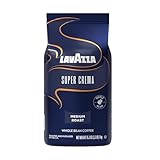
- SUPER CREMA: A 2.2 lb whole bean coffee bag ideal for espresso preparation
- INTENSITY AND ROAST: This full-bodied medium roast offers a bold and creamy finish
- BLEND: Made from Arabica and Robusta beans, this naturally caffeinated blend is sourced from 15 coffee-growing countries around the world
- PREPARATION: Ideal for espresso preparation.
- BREWING GUIDE FOR SINGLE ESPRESSO: 0.28 oz of ground espresso delivers a 1 oz espresso shot
Coffee-to-water ratio
For a colada, it’s all about concentration. You’re essentially making a very strong, small batch. Think of it like making a potent espresso base. The exact amount of water depends on your brewer, but the goal is a very small yield of intensely flavored coffee. Don’t dilute it.
Cleanliness/descale status
A dirty brewer is the enemy of good coffee. Coffee oils build up and turn rancid, making your brew taste bitter and stale. If you use a moka pot, rinse it thoroughly after each use and dry it completely. If you’ve got hard water, descale your machine regularly. Check your brewer’s manual for specific cleaning instructions.
Step-by-step (brew workflow)
1. Gather your gear: You’ll need a moka pot (or espresso machine), finely ground coffee, sugar, and small cups.
- Good looks like: Everything clean and ready to go. No last-minute scrambling.
- Common mistake: Forgetting the sugar or not having enough small cups. Avoid this by prepping everything beforehand.
2. Prepare the moka pot base: Fill the bottom chamber with hot water, just below the safety valve.
- Good looks like: Water level is correct and not touching the valve.
- Common mistake: Overfilling the water chamber. This can lead to weak coffee or a safety issue. Stick to the fill line.
3. Add the coffee grounds: Fill the filter basket with your finely ground coffee. Level it off, but don’t tamp it down like you would for espresso.
- Good looks like: A full basket of grounds, loosely leveled.
- Common mistake: Tamping the coffee too hard. This restricts water flow and can lead to a bitter brew. Just a gentle shake to level is fine.
4. Assemble the moka pot: Screw the top chamber onto the base tightly.
- Good looks like: A secure, leak-free seal.
- Common mistake: Not screwing it on tight enough. This will cause steam and water to leak out, and you won’t get proper pressure.
5. Heat the moka pot: Place the moka pot on medium heat on your stovetop.
- Good looks like: Gentle, steady heat. You don’t want it roaring.
- Common mistake: Using high heat. This can scorch the coffee and make the metal too hot to handle safely.
6. Watch for the first drops: As the water heats, pressure will build, and coffee will start to bubble up into the top chamber.
- Good looks like: A slow, steady stream of rich, dark coffee.
- Common mistake: Letting the coffee sputter violently. This means it’s too hot and will taste burnt.
7. Create the “espumita”: As soon as you see the first few drops of coffee, remove the moka pot from the heat. Pour about a tablespoon of sugar into a separate small bowl or cup. As the coffee continues to drip, scoop out about a teaspoon of the hottest coffee and mix it vigorously with the sugar. This creates the signature frothy foam.
- Good looks like: A thick, pale, foamy mixture.
- Common mistake: Not using hot enough coffee for the foam, or not mixing it enough. You need that heat and agitation to emulsify the sugar and coffee oils.
8. Collect the rest of the coffee: Place the moka pot back on the heat for just a moment to finish brewing the remaining coffee, but remove it as soon as it starts to gurgle. You want to avoid over-extraction.
- Good looks like: A concentrated, syrupy coffee liquid.
- Common mistake: Letting the moka pot boil dry or gurgle loudly. This burns the coffee and ruins the flavor.
9. Pour and serve: Carefully pour the brewed coffee into small demitasse cups. Spoon a bit of the “espumita” on top of each cup.
- Good looks like: Small cups filled with dark coffee and topped with a delicate foam.
- Common mistake: Pouring too much coffee into each cup. A colada is meant to be a strong, concentrated shot.
10. Share immediately: A colada is meant to be enjoyed right away, often shared among friends or family.
- Good looks like: Everyone gathered, ready to sip.
- Common mistake: Letting it sit too long. The foam dissipates, and the coffee cools down, losing its magic.
Common mistakes (and what happens if you ignore them)
| Mistake | What it causes | Fix |
|---|---|---|
| Using pre-ground coffee | Weak, bitter, or stale flavor | Grind your beans just before brewing. |
| Incorrect grind size (too coarse) | Water passes through too quickly, weak coffee | Use a very fine grind, like powdered sugar. |
| Incorrect grind size (too fine) | Water can’t pass through, coffee tastes burnt | Avoid tamping and ensure the grind isn’t <em>too</em> fine for your brewer. |
| Tamping coffee grounds (moka pot) | Restricts water flow, leads to bitter coffee | Level grounds gently; never tamp. |
| Using low-quality or stale beans | Flat, dull, or unpleasant taste | Invest in fresh, good-quality beans. |
| Not using enough sugar for foam | No “espumita,” lacks the signature texture | Use at least a tablespoon of sugar; adjust to taste. |
| Overheating the moka pot | Scorches coffee, creates a burnt, acrid taste | Use medium heat and remove from heat when coffee starts to gurgle. |
| Letting the moka pot boil dry | Ruins the coffee, can damage the pot | Listen for the gurgle and remove from heat immediately. |
| Using tap water with strong flavors | Off-flavors in your final cup | Use filtered water for a cleaner taste. |
| Not cleaning the brewer regularly | Rancid oils build up, making coffee taste bad | Rinse and dry the moka pot after every use; descale as needed. |
Decision rules (simple if/then)
- If your coffee tastes weak, then try a finer grind because the water is passing through too quickly.
- If your coffee tastes burnt or bitter, then reduce the heat or remove the brewer from the heat sooner because you’re likely over-extracting.
- If you don’t have “espumita,” then add more sugar and whisk more vigorously because you need the sugar and coffee oils to emulsify.
- If your moka pot is sputtering violently, then lower the heat or remove it from the heat because it’s too hot and will scorch the coffee.
- If you’re using a moka pot and the coffee isn’t coming through, then your grind might be too fine or tamped too hard, preventing water flow.
- If your colada tastes too intense, then you can dilute a small portion with a tiny bit of hot water, but this is not traditional.
- If your moka pot leaks steam from the side, then ensure the top and bottom chambers are screwed on tightly.
- If your coffee tastes metallic, then check if your moka pot is aluminum and needs a good cleaning or if it’s old and needs replacing.
- If you want a less sweet colada, then reduce the sugar for the foam, but know it will change the texture slightly.
- If you’re brewing for more than 2-3 people, consider brewing a second colada because this is a small, concentrated batch.
FAQ
What’s the best way to make Cuban colada at home?
The most authentic way is using a moka pot. It creates the necessary pressure for a concentrated brew. Espresso machines can also work if you can get a very fine grind and a small, strong shot.
How do I get the perfect “espumita”?
Whisk about a tablespoon of sugar with a teaspoon of the hottest, first-dripping coffee until it’s foamy and pale. The heat and agitation are key to emulsifying the coffee oils with the sugar.
Can I use regular coffee grounds?
No, you really need a very fine grind, similar to powdered sugar, for a moka pot or espresso. Coarser grinds won’t extract properly for this type of concentrated coffee.
Is it supposed to be this strong and sweet?
Yes, that’s the signature of a Cuban colada! It’s a very intense, sweet, and concentrated coffee meant to be shared in small sips.
How much coffee do I use?
It depends on your moka pot size. For a standard 3-cup moka pot, you’ll use about 15-20 grams of coffee. The goal is a small yield of very strong coffee.
What kind of sugar should I use?
Granulated white sugar is traditional and works best for creating the foam. Brown sugar can work but might yield a different texture.
Can I make a larger batch?
You can brew multiple coladas back-to-back using a larger moka pot or by repeating the process. A single colada is typically a small, concentrated serving.
Why does my moka pot coffee taste bitter?
It’s often due to overheating, using a grind that’s too fine and tamped too hard, or letting the coffee gurgle for too long. Control your heat and don’t over-extract.
Where does the name “colada” come from?
“Colada” means “strained” or “filtered” in Spanish. It refers to the coffee being brewed and collected.
What this page does NOT cover (and where to go next)
- Espresso machine specific settings: This guide focuses on moka pot brewing for authenticity.
- Advanced latte art: Coladas are traditionally served black with foam, not steamed milk.
- Cold brew variations: This is a hot, concentrated brew meant for immediate consumption.
- Alternative sweeteners: While you can adjust sugar, traditional colada uses granulated sugar for the foam.
- Different coffee origins for Cuban coffee: We focused on the brewing method, not specific bean varietals.