
Watch: How To Make Cuban Coffee
Quick answer
- Cuban coffee, or café cubano, is a strong, sweet espresso shot.
- It’s made with dark-roasted coffee and sugar, creating a unique froth.
- The key is whipping the first few drops of coffee with sugar.
- It’s typically brewed in a moka pot, but an espresso machine works too.
- Serve it hot and fast. It’s meant to be enjoyed right away.
- Think of it as a concentrated, sweet jolt to kickstart your day or power through an afternoon slump.
Key terms and definitions
- Café Cubano: The Spanish name for Cuban coffee.
- Moka Pot: A stovetop coffee maker that uses steam pressure. It’s a classic for Cuban coffee.
- Espresso: Finely ground coffee brewed with hot water under pressure.
- Dark Roast: Coffee beans roasted to a darker color, often with a bolder, sometimes bitter flavor.
- Demerara Sugar: A type of raw cane sugar with large, crunchy crystals. It’s often used for café cubano.
- Syrup: In this context, it refers to the thick, sweet mixture of coffee and sugar.
- Espumita: The frothy, airy foam on top of café cubano.
- Brewing: The process of extracting coffee flavor from grounds.
- Grind Size: How coarse or fine the coffee beans are ground. For moka pots, it’s usually medium-fine.
- Ratio: The proportion of coffee grounds to water used for brewing.
How it works
- You start by grinding your coffee beans. A medium-fine grind is usually best for a moka pot.
- Load the coffee grounds into the filter basket of your moka pot. Don’t tamp it down too hard.
- Fill the bottom chamber with water. Just below the safety valve is the sweet spot.
- Heat the moka pot on the stovetop. Low to medium heat is the way to go.
- As the water heats, it turns to steam and pushes through the coffee grounds.
- The brewed coffee then rises into the top chamber.
- Crucially, you catch the first few drops of hot coffee.
- Whip these first few drops vigorously with sugar until it forms a thick, foamy syrup. I usually do this in a small bowl.
- Pour this sweet syrup into your serving cups.
- Then, let the rest of the coffee from the moka pot brew directly into the cups, over the syrup.
- The steam pressure does the heavy lifting here. It’s a simple, effective brew method.
When you’re ready to brew, make sure you have high-quality cuban coffee beans ground to a medium-fine consistency for your moka pot.
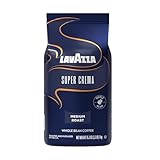
- SUPER CREMA: A 2.2 lb whole bean coffee bag ideal for espresso preparation
- INTENSITY AND ROAST: This full-bodied medium roast offers a bold and creamy finish
- BLEND: Made from Arabica and Robusta beans, this naturally caffeinated blend is sourced from 15 coffee-growing countries around the world
- PREPARATION: Ideal for espresso preparation.
- BREWING GUIDE FOR SINGLE ESPRESSO: 0.28 oz of ground espresso delivers a 1 oz espresso shot
What affects the result
- Coffee Bean Type: Dark roasts are traditional. They give that bold, rich flavor.
- Roast Level: Over-roasting can lead to bitterness. Under-roasting won’t give you the depth.
- Grind Size: Too fine, and it might clog the moka pot. Too coarse, and the coffee will be weak.
- Water Quality: Filtered water is always a good bet. Tap water can introduce off-flavors.
- Water Temperature: Starting with hot water in the base can speed things up and reduce metallic taste, but be careful.
- Sugar Type: Demerara or turbinado sugar adds a nice texture and flavor. Granulated white sugar works too.
- Whipping Technique: How well you whip the initial coffee and sugar is key to the espumita.
- Brewing Heat: Too high, and you’ll scorch the coffee. Too low, and it takes forever. Patience is a virtue.
- Moka Pot Cleanliness: Old coffee residue can really mess with the taste. Keep it clean.
- Coffee Freshness: Freshly ground beans are always superior. Stale coffee is just sad.
- Ratio of Coffee to Water: Too much coffee, and it’s too strong. Too little, and it’s watery.
Pros, cons, and when it matters
- Pro: Intense Flavor: It’s a powerful coffee experience. Great for when you need a serious kick.
- Con: Sweetness: It’s intentionally very sweet. Not for those who prefer black coffee.
- Pro: Quick to Make: Once you get the hang of it, a moka pot brews fast.
- Con: Can Be Bitter: If not brewed carefully, the dark roast can lean bitter.
- Pro: The Foam: That signature espumita is a real treat. It’s a textural delight.
- Con: Requires Specific Sugar Technique: That initial whipping step is non-negotiable for authenticity.
- Pro: Cultural Experience: It’s more than just coffee; it’s a tradition.
- Con: Not for Everyone: The intensity and sweetness aren’t universally loved.
- Pro: Versatile: You can adjust the sugar and even add milk for a café con leche.
- Con: Moka Pot Care: They require a bit of specific cleaning and maintenance. Don’t put them in the dishwasher.
- Pro: Relatively Inexpensive: Compared to espresso machines, moka pots are budget-friendly.
- When it matters: Perfect for a morning wake-up call, an afternoon pick-me-up, or when you want to impress guests with something a little different.
Common misconceptions
- Myth: It’s just strong black coffee. Nope. The sugar and whipping make it unique.
- Myth: You can use any coffee maker. While you can adapt, a moka pot is traditional and best.
- Myth: You have to tamp the coffee grounds hard. Moka pots don’t need aggressive tamping. Gentle is key.
- Myth: The sugar is just added at the end. The magic happens when you whip the first coffee drops with sugar.
- Myth: It’s the same as espresso. It’s similar in strength and intensity, but brewed differently.
- Myth: You can use pre-ground espresso. Pre-ground is often too fine for a moka pot. Grind it fresh.
- Myth: It’s okay to leave it on the heat forever. Once it starts sputtering, pull it off. Don’t let it boil dry.
- Myth: You need special equipment. A moka pot and a whisk are pretty much all you need.
- Myth: It’s hard to get the foam right. It takes a little practice, but it’s achievable.
- Myth: Any sugar will do. While any sugar works, demerara gives a nice texture.
FAQ
Q: What kind of coffee beans should I use for Cuban coffee?
A: Traditionally, dark-roasted beans are used. Look for blends that specify “Cuban roast” or are labeled for espresso.
Q: How much sugar do I use?
A: This is personal preference, but a common starting point is one teaspoon of sugar per shot of coffee you intend to make. You’ll whip this with the first few drops.
Q: My espumita isn’t forming. What am I doing wrong?
A: Make sure you’re whipping the very first few drops of hot coffee with the sugar. You need that initial concentrated hot liquid to create the foam. Vigorous whisking is essential.
Q: Can I make Cuban coffee without a moka pot?
A: You can try with an espresso machine, but it won’t be quite the same. You’d still need to replicate the sugar-whipping step. A strong brewed coffee could be a distant substitute, but it misses the pressure element.
Q: Is Cuban coffee served with milk?
A: By itself, café cubano is typically served black and strong. However, it’s the base for café con leche, which is Cuban coffee mixed with steamed milk.
Q: How do I clean my moka pot?
A: Rinse all parts with hot water after each use. Avoid soap, as it can strip the seasoning. Dry thoroughly to prevent corrosion. Never put it in the dishwasher.
Q: How much caffeine is in Cuban coffee?
A: It’s very concentrated, so it has a high caffeine content per ounce. Think of it as a powerful espresso shot.
Q: Can I make Cuban coffee ahead of time?
A: It’s best enjoyed immediately after brewing. The foam will dissipate, and the flavor won’t be as vibrant.
What this page does NOT cover (and where to go next)
- Specific brand recommendations for moka pots or coffee beans.
- Detailed historical context of Cuban coffee culture.
- Advanced latte art techniques using café cubano.
- Recipes for Cuban desserts that use coffee.
- Comparisons of different moka pot sizes and materials.