
How To Make Authentic Cuban Espresso Coffee
Quick Answer
- Use a Moka pot, the traditional stovetop brewer.
- Start with finely ground, dark roast coffee. Think espresso grind.
- Pre-heat your water for a faster, more consistent brew.
- Use a 1:1 ratio of coffee to water by volume.
- Watch the brew closely; pull it off the heat as soon as it gurgles.
- Don’t let it boil or sputter. That’s a fast track to bitter town.
- Sweeten it right away with “espuma.”
Who This Is For
- Anyone craving that strong, sweet, authentic Cuban coffee experience.
- Home baristas looking to master a classic stovetop brew.
- Folks who love a bold, flavorful cup to kickstart their day or as an afternoon pick-me-up.
What to Check First
Brewer Type and Filter Type
For authentic Cuban coffee, you’re almost certainly using a Moka pot. It’s the classic. No paper filters here. The metal filter basket is what does the work. Make sure it’s clean and fits snugly.
Water Quality and Temperature
Good coffee starts with good water. If your tap water tastes funky, your coffee will too. Consider filtered water. For Moka pots, pre-heating your water is a game-changer. Fill the base with hot, not boiling, water. This speeds up brewing and prevents the grounds from getting too hot, which can lead to a burnt taste. Aim for around 180-190°F.
Grind Size and Coffee Freshness
This is crucial for Moka pot brewing. You want a fine grind, similar to what you’d use for espresso. Too coarse, and water will rush through, giving you weak coffee. Too fine, and it might clog the filter. Freshly roasted beans, ground right before brewing, make a massive difference. Look for beans roasted within the last few weeks.
For authentic Cuban coffee, using freshly roasted beans is key. Consider trying some high-quality cuban coffee beans for the best flavor.
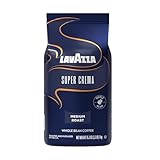
- SUPER CREMA: A 2.2 lb whole bean coffee bag ideal for espresso preparation
- INTENSITY AND ROAST: This full-bodied medium roast offers a bold and creamy finish
- BLEND: Made from Arabica and Robusta beans, this naturally caffeinated blend is sourced from 15 coffee-growing countries around the world
- PREPARATION: Ideal for espresso preparation.
- BREWING GUIDE FOR SINGLE ESPRESSO: 0.28 oz of ground espresso delivers a 1 oz espresso shot
Coffee-to-Water Ratio
A good starting point for Cuban coffee in a Moka pot is a 1:1 ratio by volume. So, if your Moka pot holds 6 oz of water, use 6 oz of ground coffee. You can adjust this later to your taste, but this ratio gets you in the ballpark for that classic strength.
Cleanliness/Descale Status
A dirty Moka pot is a one-way ticket to bad coffee. Coffee oils build up over time and can turn rancid, making your brew taste bitter and stale. Rinse your Moka pot thoroughly after each use with hot water. Periodically, you’ll need to descale it, especially if you have hard water. Check your brewer’s manual for specific descaling instructions.
Step-by-Step: How to Make Cuban Coffee Espresso
1. Fill the Base with Water: Screw off the top chamber. Fill the lower chamber with hot, filtered water up to the fill line or just below the safety valve.
- Good looks like: Water level is correct, not overflowing the valve.
- Common mistake: Using cold water (takes too long, heats grounds) or overfilling (can spray steam). Avoid this by using pre-heated water and watching the valve.
2. Add Ground Coffee: Place the filter basket into the base. Fill it loosely with finely ground coffee. Don’t tamp it down like you would for espresso. Just level it off.
- Good looks like: Filter basket is full, grounds are level, no excess coffee on the rim.
- Common mistake: Tamping the coffee (water can’t flow) or not filling enough (weak coffee). Don’t pack it; let the water do the work.
3. Assemble the Moka Pot: Screw the top chamber tightly onto the base. Make sure it’s secure to prevent leaks.
- Good looks like: A tight seal with no gaps.
- Common mistake: Not screwing it on tight enough (steam leaks, poor brew) or overtightening and stripping threads. Just snug is good.
4. Heat the Moka Pot: Place the Moka pot on a medium heat stovetop burner. The flame should not extend up the sides of the brewer.
- Good looks like: Gentle heat, no flames licking the aluminum.
- Common mistake: High heat (burns coffee, makes it bitter). Keep it moderate.
5. Watch for the Brew: After a few minutes, coffee will start to flow from the central column into the top chamber. It should be a steady stream, not sputtering violently.
- Good looks like: A rich, dark stream of coffee.
- Common mistake: Coffee sputtering immediately (too hot, too fine grind). This means you’re already on the wrong track.
6. Create the “Espuma” (Optional but Recommended): As the coffee starts to flow, take a spoon and vigorously whip the first few drops of coffee that come out with a bit of sugar (about a teaspoon per cup). Whip it until it becomes light and foamy. This is your “espuma.”
- Good looks like: A thick, creamy foam.
- Common mistake: Not whipping enough or using too much sugar (can make it gritty). A quick, vigorous whip is key.
7. Continue Brewing: Let the coffee continue to flow. The stream will become lighter in color.
- Good looks like: A steady, even flow.
- Common mistake: Letting the coffee boil or sputter at the end (causes bitterness).
8. Remove from Heat: As soon as you hear a gurgling sound or the stream becomes very pale and watery, remove the Moka pot from the heat. The residual heat will finish the brew.
- Good looks like: You pulled it off the heat before it started to aggressively gurgle.
- Common mistake: Leaving it on the heat too long (over-extraction, burnt taste). Listen for that gurgle and act fast.
9. Serve Immediately: Pour the coffee into small cups. If you made espuma, spoon a bit of it on top of each serving.
- Good looks like: Hot, aromatic coffee in your cup, maybe with a nice foam.
- Common mistake: Letting it sit and cool (loses flavor and aroma). Drink it fresh.
Common Mistakes (and What Happens If You Ignore Them)
| Mistake | What It Causes | Fix |
|---|---|---|
| Using cold water in the base | Takes longer to brew, can scorch grounds | Pre-heat water to ~180-190°F before filling the base. |
| Tamping the coffee grounds | Water can’t flow, causes pressure buildup, poor brew | Fill the filter basket loosely and level it off; don’t pack it down. |
| Using too high heat | Burns coffee, results in bitter, acrid taste | Use medium heat; the flame shouldn’t lick up the sides of the brewer. |
| Leaving on heat too long after gurgling | Over-extraction, burnt flavor, watery finish | Remove from heat as soon as it gurgles or the stream thins out. |
| Using stale or wrongly ground coffee | Weak, dull, or bitter flavor | Use freshly roasted, finely ground coffee (espresso-fine). |
| Not cleaning the Moka pot | Rancid oils build up, off-flavors, bad aroma | Rinse thoroughly with hot water after each use; descale periodically. |
| Overfilling the filter basket | Grounds can get into the coffee, clogs filter | Fill loosely and level off; don’t pack or mound the grounds. |
| Using hard or impure water | Off-flavors, scale buildup in the brewer | Use filtered or spring water for a cleaner taste and a healthier brewer. |
Decision Rules
- If your coffee tastes bitter, then you likely overheated the Moka pot or over-extracted it. Try removing it from the heat sooner.
- If your coffee is weak, then your grind might be too coarse, or you didn’t use enough coffee. Check your grind size and coffee-to-water ratio.
- If you see grounds in your cup, then the filter basket might not be seated properly, or you overfilled it. Ensure the basket is clean and level.
- If your Moka pot is sputtering violently from the start, then the heat is too high, or the grind is too fine. Reduce the heat and check your grind.
- If the coffee flow stops prematurely, then the grind might be too fine, or you have a clog. Ensure a consistent, fine grind and a clean brewer.
- If your coffee tastes metallic, then your Moka pot might be aluminum and needs a good cleaning or descaling. Coffee oils can impart off-flavors.
- If you want a sweeter cup without adding sugar later, then whip the first few drops with sugar to create “espuma.” This integrates the sweetness from the start.
- If your Moka pot has a strange smell, then it definitely needs a thorough cleaning. Rancid coffee oils are the usual culprit.
- If you’re getting steam leaks from the sides, then the Moka pot wasn’t screwed together tightly enough. Ensure a secure seal before heating.
FAQ
What kind of coffee bean is best for Cuban espresso?
Dark roasts are traditional. Think Cuban, Colombian, or Brazilian beans. They offer the bold flavor profile that stands up well to the brewing method.
Can I use a regular coffee grind?
No, a regular drip grind is too coarse. You need a fine grind, similar to espresso, for the Moka pot to extract properly.
How much sugar should I use for the espuma?
Start with about a teaspoon of sugar per serving. Whip it vigorously with the first few drops of coffee until it forms a light, frothy foam. Adjust to your sweetness preference.
Is Moka pot coffee the same as espresso?
It’s similar in strength and intensity but not technically espresso. Espresso requires higher pressure generated by an espresso machine. Moka pot coffee is a strong, concentrated brew.
Why does my coffee taste burnt?
This usually happens if the Moka pot is heated too high or left on the heat too long after brewing starts. Pull it off the heat as soon as it begins to gurgle.
How often should I clean my Moka pot?
Rinse it with hot water after every use. A deeper clean, including checking the gasket and filter screen, should be done every few weeks, and descaling every few months depending on water hardness.
Can I use pre-ground coffee?
You can, but for the best flavor, use freshly ground beans. If you do use pre-ground, make sure it’s specifically labeled for Moka pots or espresso, so it’s fine enough.
What if my Moka pot has a safety valve?
The safety valve is there to release excess pressure. Never block it. Ensure the water level in the base is below the valve.
What This Page Does Not Cover (and Where to Go Next)
- Advanced Moka pot troubleshooting for specific brands.
- Detailed comparisons of different Moka pot materials (aluminum vs. stainless steel).
- Recipes for Cuban coffee variations beyond the basic brew.
- The history and cultural significance of Cuban coffee.