
Brew Stronger Coffee From K-Cups
Quick Answer
- Use a reusable K-Cup filter and your own fresh, coarsely ground coffee.
- Increase the amount of coffee grounds in the reusable filter.
- Select the smallest brew size on your Keurig machine.
- Brew on a “strong” setting if your machine offers one.
- Ensure your machine is clean and descaled for optimal performance.
- Consider using a coffee with a darker roast profile for a bolder flavor.
Who This Is For
- Keurig owners who find their single-serve coffee not potent enough.
- Those who want to customize their K-Cup coffee strength and flavor.
- Individuals looking for cost-effective ways to improve their K-Cup brewing experience.
What to Check First
Brewer Type and Filter Type
Your Keurig machine is the central component. The type of K-Cup you use—either a disposable pre-filled pod or a reusable filter—significantly impacts the final brew. Disposable pods are designed for convenience but offer little control over strength. Reusable filters, however, are essential for customizing your brew.
Water Quality and Temperature
The water used in your Keurig is the primary ingredient. Tap water can contain minerals that affect taste. Using filtered water can lead to a cleaner, more robust coffee flavor. Most Keurig machines heat water to an optimal brewing temperature, typically between 192°F and 205°F, which is crucial for proper extraction. If your machine is older or hasn’t been maintained, water temperature might be inconsistent.
Grind Size and Coffee Freshness
The coffee itself is paramount. For reusable K-Cup filters, a coarser grind is generally recommended to prevent clogging and ensure proper water flow. Fresher coffee, ideally roasted within the last few weeks, will yield a more vibrant and flavorful cup. Pre-ground coffee, especially if it’s been sitting for a while, will have lost much of its aromatic compounds and taste.
For reusable K-Cup filters, a coarser grind is generally recommended to prevent clogging and ensure proper water flow. If you’re looking for a good option, consider trying a high-quality coarse ground coffee like this one.
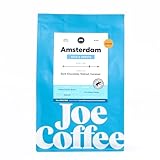
- Rich, sweet, and comforting, Amsterdam is the perfect drip coffee option for those who seek a deeper roast profile.
- We select the components for this coffee for their ability to stand up to a more developed roast, without ever tasting over-roasted or smoky. Instead, we pull out classic notes of chocolate, nut, and toffee.
- One 12 ounce bag
Coffee-to-Water Ratio
This ratio determines how much coffee flavor is extracted into your water. With disposable K-Cups, this ratio is fixed. When using a reusable filter, you have control. A common starting point for strong coffee is around 1:15 to 1:17 (coffee to water by weight), but for K-Cups, you’ll often need to pack more grounds than you might think.
Cleanliness/Descale Status
A clean machine brews better coffee. Mineral buildup from water (scale) can clog internal components, affecting water flow, temperature, and ultimately, the taste of your coffee. Regular cleaning and descaling are vital for consistent brewing and to achieve the strongest possible flavor.
Step-by-Step: Brewing Stronger K-Cup Coffee
1. Prepare Your Reusable Filter: Ensure your reusable K-Cup filter is clean and dry. If it’s been used recently, rinse it thoroughly.
- What “good” looks like: A spotless filter ready for fresh grounds.
- Common mistake: Using a dirty filter, which can impart stale flavors. Always rinse after use and deep clean periodically.
2. Select Your Coffee Beans: Choose a coffee you enjoy. Darker roasts often have a bolder, more intense flavor profile that can translate to a stronger cup.
- What “good” looks like: Freshly roasted beans that smell aromatic.
- Common mistake: Using old, stale beans. They won’t provide the robust flavor you’re seeking, no matter how you brew.
3. Grind Your Coffee: Grind your beans to a medium-coarse consistency. It should resemble coarse sand or sea salt.
- What “good” looks like: Uniformly ground particles, not too fine (which can clog) or too coarse (which can lead to under-extraction).
- Common mistake: Grinding too finely. This can lead to over-extraction and bitterness, or worse, a clogged filter and a weak brew.
4. Fill the Reusable Filter: Spoon your ground coffee into the reusable filter. Aim to fill it generously, but don’t pack it down tightly. You want to use more grounds than you might initially expect for a single K-Cup.
- What “good” looks like: The filter is filled to its capacity without the grounds overflowing when the lid is closed.
- Common mistake: Underfilling the filter. This is the most direct way to get weak coffee. Fill it up!
5. Place the Filter in the Brewer: Insert the filled reusable filter into the K-Cup holder on your Keurig machine. Ensure it’s seated correctly.
- What “good” looks like: The filter is securely in place and the brewer lid can close without obstruction.
- Common mistake: Not fully seating the filter. This can prevent the brewer from piercing the lid properly or cause water to bypass the grounds.
6. Select Brew Size: Choose the smallest brew size available on your Keurig machine (e.g., 6 oz or 8 oz). This concentrates the coffee flavor.
- What “good” looks like: The machine is set to use less water, maximizing the coffee-to-water ratio.
- Common mistake: Selecting a larger brew size. This dilutes the coffee, resulting in a weaker cup.
7. Select Brew Strength (If Available): If your Keurig has a “strong” or “bold” setting, select it. This setting typically slows down the brewing process, allowing for more extraction.
- What “good” looks like: The machine is programmed to extract more flavor from the grounds.
- Common mistake: Ignoring the strong setting. It’s there for a reason and directly helps achieve a bolder brew.
8. Initiate Brewing: Press the brew button.
- What “good” looks like: The machine starts brewing, and you can hear the water heating and pumping.
- Common mistake: Forgetting to press the button. A simple oversight, but it means no coffee!
9. Monitor Brew Time: Observe the brewing process. A slightly longer brew time, especially if you’ve selected the “strong” setting, is desirable.
- What “good” looks like: The coffee flows steadily into your mug.
- Common mistake: Rushing the process or assuming it’s done too early. Let the machine complete its cycle.
10. Remove and Discard Grounds: Once brewing is complete, carefully remove the reusable filter. Dispose of the used coffee grounds and rinse the filter.
- What “good” looks like: The filter is empty and ready for its next use.
- Common mistake: Leaving wet grounds in the filter for extended periods. This can lead to mold and stale odors.
Common Mistakes (and What Happens If You Ignore Them)
| Mistake | What It Causes | Fix |
|---|---|---|
| Using pre-ground coffee | Stale, flat flavor; less aromatic; weaker extraction | Use freshly ground beans for each brew. |
| Grinding coffee too finely | Clogged filter, bitter taste, potential machine damage | Grind to a medium-coarse consistency. |
| Underfilling the reusable filter | Weak, watery coffee | Fill the reusable filter to capacity with coffee grounds. |
| Using a larger brew size | Diluted, weak coffee | Always select the smallest brew size (e.g., 6 oz or 8 oz) when aiming for a stronger cup. |
| Not using the “strong” brew setting | Less intense flavor, weaker coffee | Select the “strong” or “bold” option on your Keurig if available. |
| Using stale or poor-quality water | Off-flavors, muted coffee notes | Use filtered water. |
| Not cleaning or descaling the machine | Slow brewing, inconsistent temperature, off-flavors, reduced coffee strength | Follow your Keurig’s manual for regular cleaning and descaling. |
| Packing coffee grounds too tightly | Water can’t flow through, leading to under-extraction or a weak brew | Fill the filter loosely, allowing water to flow freely. |
| Using disposable pods for stronger coffee | Limited control over strength and flavor | Switch to a reusable filter for customization. |
| Not letting the machine fully heat up | Inconsistent brewing temperature, leading to under-extraction | Ensure the machine has completed its heating cycle before brewing. |
| Using a coffee roast that’s too light | Naturally less intense flavor profile, difficult to extract strongly | Opt for medium to dark roasts for a bolder inherent flavor. |
Decision Rules for Stronger K-Cup Coffee
- If you are using disposable K-Cups, then you cannot significantly increase coffee strength because the grounds and amount are pre-determined. Switch to a reusable filter.
- If you want stronger coffee, then select the smallest brew size (e.g., 6 oz) because this increases the coffee-to-water ratio.
- If your Keurig has a strength setting, then use the “strong” or “bold” option because it adjusts the brewing cycle for better extraction.
- If you are using a reusable filter, then fill it generously with coffee grounds because more grounds mean more flavor to extract.
- If your coffee tastes weak and watery, then check your grind size; it might be too coarse, leading to under-extraction.
- If your coffee tastes bitter and weak, then your grind might be too fine, causing over-extraction and clogging. Adjust to a coarser grind.
- If your Keurig is brewing slowly or inconsistently, then it needs to be descaled because mineral buildup impedes water flow and temperature.
- If you are using filtered water and still not getting great flavor, then check the freshness of your coffee beans because stale beans will always produce a weak cup.
- If you’ve tried all other steps and still want stronger coffee, then consider using a darker roast bean because they have a naturally bolder flavor profile.
- If your reusable filter is consistently clogging, then your grind is likely too fine; try a slightly coarser grind.
- If you want to experiment with flavor, then try different coffee beans with your reusable filter because this offers the most control over the final taste.
FAQ
Can I make stronger coffee using regular K-Cups?
While you have limited control with pre-filled K-Cups, selecting the smallest brew size and using the “strong” setting if available are your best options. However, for significant strength improvements, a reusable filter is recommended.
What kind of coffee should I use in a reusable K-Cup?
Medium to dark roast beans are generally best for a bolder flavor. Ensure they are ground to a medium-coarse consistency, similar to coarse sand. Freshly roasted beans will always yield the best results.
How much coffee grounds should I put in a reusable K-Cup?
Fill the reusable filter generously, almost to the brim, but do not pack it down. You’ll likely use more grounds than you might expect for a single cup. Experimentation will help you find your preferred strength.
Why does my K-Cup coffee taste weak?
Weak coffee is often due to an insufficient amount of coffee grounds, too large a brew size, a grind that is too coarse, or a machine that needs cleaning and descaling.
Does the “strong” setting on my Keurig actually work?
Yes, the “strong” or “bold” setting typically slows down the brewing process. This allows the water to be in contact with the coffee grounds for a longer period, leading to more flavor extraction.
How often should I clean my reusable K-Cup filter?
It’s best to rinse your reusable filter immediately after each use to remove coffee grounds. A more thorough cleaning with soap and water should be done regularly, and check your brewer’s manual for deep cleaning recommendations.
Is it better to use filtered water for K-Cups?
Using filtered water can improve the taste of your coffee by removing minerals and impurities that can affect flavor. It can also help reduce mineral buildup in your Keurig machine.
Can I use espresso grind in a reusable K-Cup?
No, an espresso grind is too fine for most K-Cup brewers. It will likely clog the filter, leading to poor extraction and potentially damaging your machine. Stick to a medium-coarse grind.
What This Page Does Not Cover (and Where to Go Next)
- Detailed comparisons of specific Keurig machine models and their unique brewing capabilities.
- In-depth analysis of different coffee roasting levels and their impact on flavor extraction.
- Advanced brewing techniques like pour-over or Aeropress, which offer more control than K-Cup systems.
- Recommendations for specific coffee bean brands or roasters.
- Troubleshooting complex electrical or mechanical issues with your Keurig brewer.