
How To Make Cowboy Coffee Without Specific Ingredients
Quick answer
- Cowboy coffee is a simple brewing method that requires minimal equipment.
- You can make cowboy coffee with just coffee grounds, water, and a heat source.
- The key is to control the brewing time and allow the grounds to settle.
- For a cleaner cup, consider adding a splash of cold water to help grounds sink.
- Experiment with different coffee-to-water ratios to find your preferred strength.
- While specific ingredients aren’t necessary, quality coffee and clean water improve the taste.
Who this is for
- This guide is for campers, hikers, or anyone who finds themselves without a coffee maker.
- It’s for those who enjoy a strong, no-fuss cup of coffee and are curious about traditional brewing methods.
- This is for individuals who want to learn how to make coffee using only the essentials.
What to check first
Brewer type and filter type
Cowboy coffee, by its nature, doesn’t use a traditional brewer or filter. The “brewer” is simply your pot or kettle, and the “filter” is the settling process. You’ll be using whatever heat-safe pot or kettle you have available.
Water quality and temperature
The taste of your coffee is heavily influenced by the water you use. If you’re camping, use fresh, clean water from a natural source if possible, or filtered water if that’s all you have. Avoid stagnant or treated water. The ideal brewing temperature is just off the boil, around 195-205°F (90-96°C). Boiling water can scorch the coffee grounds, leading to a bitter taste.
Grind size and coffee freshness
For cowboy coffee, a coarser grind is generally preferred. This helps the grounds settle more easily at the bottom of the pot. A grind size similar to coarse sea salt is a good starting point. If you only have a finer grind, you might need to be extra careful with settling time. Freshly ground coffee will always yield the best flavor. Pre-ground coffee, especially if it’s been sitting for a while, can lead to a duller cup.
For cowboy coffee, a coarser grind is generally preferred, and you can find excellent options like this coarse ground coffee to ensure your grounds settle easily.
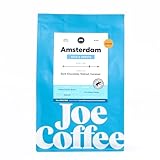
- Rich, sweet, and comforting, Amsterdam is the perfect drip coffee option for those who seek a deeper roast profile.
- We select the components for this coffee for their ability to stand up to a more developed roast, without ever tasting over-roasted or smoky. Instead, we pull out classic notes of chocolate, nut, and toffee.
- One 12 ounce bag
Coffee-to-water ratio
A common starting point for cowboy coffee is a ratio of about 1:15 to 1:17 (coffee to water by weight). In simpler terms, for every cup of water (8 oz), use about 2 tablespoons of coffee grounds. You can adjust this to your preference. If you like it stronger, use a bit more coffee. If you prefer it milder, use less.
A common starting point for cowboy coffee is a ratio of about 1:15 to 1:17 (coffee to water by weight), and using quality coffee grounds like these will make a difference.

- Contains one (1) 28 Ounce Bag of Peet's French Roast Ground 100% Arabica Coffee
- Flavor and Roast: Medium Roast. Flavor notes of citrus and hints of brown sugar and cocoa.
- Brewing Methods: Our ground coffee is perfectly suited to make drip or a pour over in your Chemex. For other brewing methods - espresso, cold brew, or French press - consider our whole bean coffees and griding at home
- Sourcing With Impact: The coffee you buy can impact the welfare of the people and planet. Peet’s is actively engaged in driving positive impact in communities where our coffees are grown
- Rich. Complex. Incomparable. Masters of our craft for over 50 years, we hand roast the very best coffees in the world.
Cleanliness/descale status
Even without a specialized machine, cleanliness matters. Ensure the pot or kettle you’re using is clean. Any residue from previous use can impart off-flavors to your coffee. If you’re using a metal pot, make sure it’s free of rust or old coffee stains.
Step-by-step (brew workflow)
1. Gather your essentials: You’ll need a heat-safe pot or kettle, water, coffee grounds, and a heat source.
- What “good” looks like: Everything is ready and within reach.
- Common mistake and how to avoid it: Forgetting an item. Lay everything out before you start.
You’ll need a heat-safe pot or kettle, and if you’re heading outdoors, a dedicated camping coffee pot is a great investment for this method.
![COLETTI Bozeman Percolator Coffee Pot — NO Aluminum or Plastic [9 cup]](https://m.media-amazon.com/images/I/31Wxzktrx5L._SL160_.jpg)
- NO ALUMINUM, NO PLASTIC — JUST COFFEE – Some things should never change—like the way coffee is meant to taste. Our percolator coffee pot is crafted from pure stainless steel, with no plastic or cheap aluminum. The glass view top lets you watch every drop brew to perfection. Built for any setting, this coffee percolator stovetop is the choice of campers, travelers, and home brewers alike. A stovetop coffee maker that delivers bold, full-bodied flavor, cup after cup.
- BUILT TOUGH FOR THE OUTDOORS – The fire crackles, the morning air is crisp, and the smell of fresh coffee drifts through camp. This is how the day begins. Whether you're brewing in the mountains or at home, this stove top coffee maker keeps it simple—water, heat, and time. Designed for adventure, our camping coffee makers guarantee a satisfying, hot brew anywhere. A percolator coffee pot stovetop that works wherever the road takes you.
- QUICK CLEANING ON THE TRAIL – Pack up, rinse out, and keep moving. The Bozeman percolator coffee pot stovetop is built for the most demanding trails—no fragile parts, no complicated cleanup. A quick rinse, and it's ready for the next sunrise. Dishwasher safe at home, effortless in the wild. Includes a pack of filters for a smoother cup, because good coffee deserves a little extra care.
- STRONG, SMOOTH, UNCOMPROMISING – Good coffee takes patience, and a stainless steel percolator coffee pot rewards it. The steady heat of percolation draws out deep, full-bodied flavors. No weak brews. No burnt taste. Just smooth, hot coffee, every time. Whether you're up before dawn or winding down by the fire, this is coffee the way it was meant to be—bold, rich, and unforgettable.
- NOTICE: 9 coffee cups is equal to 45 fl. oz. | metal parts get hot when brewing
2. Add water to the pot: Pour your desired amount of fresh, cold water into the pot.
- What “good” looks like: The pot is filled to the level you want your final coffee volume to be, accounting for grounds.
- Common mistake and how to avoid it: Overfilling the pot, which can lead to spills when boiling or adding grounds. Measure your water beforehand.
3. Heat the water: Place the pot on your heat source and bring the water to a boil.
- What “good” looks like: The water is actively boiling.
- Common mistake and how to avoid it: Leaving the water unattended and letting it boil dry. Keep an eye on it.
4. Remove from heat: Once boiling, immediately remove the pot from the heat source.
- What “good” looks like: The pot is safely off the direct heat.
- Common mistake and how to avoid it: Leaving the pot on the heat, which will over-extract the coffee. Timing is crucial here.
5. Let it cool slightly: Allow the water to cool for about 30-60 seconds. The ideal temperature is just off the boil (around 195-205°F or 90-96°C).
- What “good” looks like: The vigorous boiling has subsided, but the water is still very hot.
- Common mistake and how to avoid it: Adding grounds to boiling water. This can scorch the coffee and make it bitter.
6. Add coffee grounds: Add your coarsely ground coffee directly into the hot water. Use your preferred ratio (e.g., 2 tablespoons per 8 oz water).
- What “good” looks like: The grounds are dispersed in the water.
- Common mistake and how to avoid it: Adding grounds too quickly, which can cause them to clump. Sprinkle them in evenly.
7. Stir gently: Give the mixture a gentle stir to ensure all the grounds are saturated.
- What “good” looks like: All the grounds are wet and submerged.
- Common mistake and how to avoid it: Stirring too vigorously or for too long. This can over-agitate the grounds and lead to bitterness.
8. Let it brew (steep): Place the lid on the pot (if you have one) and let the coffee steep for about 4 minutes.
- What “good” looks like: The coffee is steeping undisturbed.
- Common mistake and how to avoid it: Agitating the pot during steeping. This can keep grounds suspended.
9. Settle the grounds: After steeping, gently tap the side of the pot or carefully swirl it to encourage the grounds to sink to the bottom.
- What “good” looks like: Most of the coffee grounds are settling at the bottom.
- Common mistake and how to avoid it: Skipping this step or doing it too roughly. This leaves grounds in your cup.
10. (Optional) Add cold water: For a cleaner cup, carefully pour a small amount of cold water (about 1-2 tablespoons) into the pot. This helps the remaining grounds sink faster.
- What “good” looks like: The cold water helps push the last of the grounds down.
- Common mistake and how to avoid it: Adding too much cold water, which can dilute the coffee. Use just a splash.
11. Pour carefully: Slowly and steadily pour the coffee into your mug, leaving the settled grounds behind in the pot.
- What “good” looks like: You’re pouring coffee, not grounds.
- Common mistake and how to avoid it: Pouring too quickly or tilting the pot too much. This can disturb the settled grounds and pour them into your cup.
12. Enjoy: Sip your cowboy coffee!
- What “good” looks like: A satisfying cup of coffee.
- Common mistake and how to avoid it: Not enjoying the moment. You made coffee with minimal resources!
Common mistakes (and what happens if you ignore them)
| Mistake | What it causes | Fix |
|---|---|---|
| Using boiling water directly | Scorched coffee, bitter, harsh taste | Remove from heat, let cool for 30-60 seconds before adding grounds. |
| Using too fine a grind | Cloudy coffee, grounds in cup, over-extraction | Use a coarser grind. If using fine, be extra patient with settling and pour very slowly. |
| Adding grounds to boiling water | Bitter, burnt flavor | Let water cool slightly after boiling before adding coffee. |
| Over-stirring | Bitter, muddy coffee, grounds stay suspended | Stir only enough to saturate grounds, then let it rest. |
| Agitating during steeping | Grounds don’t settle well, weaker brew | Let the pot sit undisturbed during the 4-minute brew time. |
| Pouring too quickly | Grounds in your cup, silty coffee | Pour slowly and steadily, stopping before the last bit of liquid, which contains the settled grounds. |
| Using stale coffee grounds | Flat, dull, uninspired coffee flavor | Use freshly ground beans if possible, or ensure your pre-ground coffee is stored properly. |
| Using dirty equipment | Off-flavors, metallic taste, soapy notes | Wash your pot thoroughly with soap and water before each use. |
| Incorrect coffee-to-water ratio | Too weak or too strong coffee | Start with a standard ratio (e.g., 2 tbsp per 8 oz water) and adjust to your taste. |
| Not letting grounds settle | Muddy coffee, grounds in every sip | Allow ample time for settling, tap the pot, or use the cold water splash method. |
Decision rules (simple if/then)
- If your coffee tastes bitter, then you likely used boiling water or steeped for too long, because high temperatures and extended contact time extract more bitter compounds.
- If your coffee is weak, then you might need more coffee grounds or a finer grind, because too little coffee or a grind that’s too coarse won’t extract enough flavor.
- If you have grounds in your cup, then you poured too quickly or didn’t let them settle sufficiently, because the grounds need time and a gentle hand to stay at the bottom.
- If the water is still boiling when you add grounds, then you’re risking a burnt taste, because you should let the water cool slightly off the heat first.
- If you want a cleaner cup without much effort, then try adding a splash of cold water after steeping, because it helps the grounds sink more effectively.
- If you’re using a very fine grind, then be extra patient with settling and pour extremely slowly, because fine particles are harder to separate from the liquid.
- If your coffee tastes “off” or metallic, then your pot might not be clean, because residue can impart unwanted flavors.
- If you’re in a hurry and want coffee faster, then you might accept a slightly less clean cup, because cowboy coffee prioritizes simplicity over perfect filtration.
- If you’re brewing for a group, then use a larger pot and adjust the water and coffee amounts proportionally, because the brewing process remains the same regardless of batch size.
- If you find yourself with grounds in your cup frequently, then consider using a slightly coarser grind next time, because it makes the settling process more reliable.
FAQ
Can I use pre-ground coffee?
Yes, you can use pre-ground coffee. For best results, try to use a coarser grind if possible, as it settles more easily. Freshly ground coffee will always offer a superior flavor profile.
How much coffee should I use?
A good starting point is about 2 tablespoons of coffee grounds for every 8 ounces of water. You can adjust this ratio based on your personal preference for strength.
What kind of pot should I use?
Any heat-safe pot or kettle will work. Metal pots are common for camping. Ensure it’s clean to avoid any off-flavors in your coffee.
How long should I let the coffee steep?
A typical steeping time for cowboy coffee is around 4 minutes. You can adjust this slightly, but steeping for too long can lead to a bitter taste.
What if I don’t have a lid for my pot?
You can still make cowboy coffee without a lid. Just be mindful of the heat source and try to avoid boiling the water too vigorously for extended periods.
How do I get the grounds out of my cup?
The best way is to pour slowly and carefully after allowing the grounds to settle. Tapping the side of the pot can help them sink. Some grounds are inevitable with this method.
Can I reheat cowboy coffee?
It’s best to drink cowboy coffee fresh. Reheating can over-extract the grounds and make the coffee taste bitter and burnt.
Does the type of coffee bean matter?
While the brewing method is simple, the type of bean will influence the flavor. Experiment with different roasts and origins to find what you like best.
What this page does NOT cover (and where to go next)
- Specific coffee bean recommendations or roasting profiles.
- Detailed information on water filtration systems for backcountry use.
- Advanced techniques for achieving a perfectly sediment-free cup every time.
- Comparisons of cowboy coffee to other brewing methods like pour-over or espresso.