
The Link Between Coffee and Eye Twitches Explained
Quick Answer: Can Coffee Make Your Eye Twitch?
- Yes, caffeine in coffee can trigger or worsen eye twitches.
- It’s usually temporary and linked to overconsumption.
- Dehydration can also play a role, and coffee can be dehydrating.
- Stress is a major factor, and caffeine can amplify stress responses.
- Reducing caffeine intake is the most direct way to address coffee-related twitches.
- If twitches persist, other causes should be investigated.
Key Terms and Definitions
- Caffeine: A natural stimulant found in coffee beans. It affects the central nervous system.
- Myokymia: The medical term for involuntary muscle twitching, often seen in eyelids.
- Stimulant: A substance that increases activity in the body or nervous system.
- Dehydration: A condition where the body loses more fluid than it takes in.
- Electrolytes: Minerals like potassium and sodium that help regulate muscle and nerve function.
- Stress: A state of mental or emotional strain resulting from demanding circumstances.
- Benign Essential Blepharospasm: A chronic, involuntary cramping of eyelid muscles, more serious than simple twitches.
- Neurological Disorder: A condition affecting the brain, spinal cord, or nerves.
- Magnesium Deficiency: Low levels of magnesium, a mineral crucial for muscle and nerve function.
- Adenosine: A neurotransmitter that caffeine blocks, leading to increased alertness.
How Coffee Can Make Your Eye Twitch
- Caffeine Stimulation: Caffeine acts as a stimulant. It can increase nerve excitability throughout your body, including the tiny muscles around your eyes. Think of it like turning up the volume on your nervous system.
- Neurotransmitter Interference: Caffeine blocks adenosine, a brain chemical that promotes relaxation. This blockage can lead to a general increase in neural activity, potentially making those delicate eye muscles more prone to spasming.
- Adrenaline Boost: Caffeine can trigger the release of adrenaline. This “fight or flight” hormone can heighten your overall sensitivity and make muscles more reactive.
- Dehydration Factor: Coffee is a diuretic, meaning it can make you pee more. If you don’t compensate with enough water, you can become dehydrated. Dehydration can disrupt electrolyte balance, which is vital for proper muscle and nerve function.
- Sleep Disruption: Too much caffeine, especially later in the day, can mess with your sleep. Poor sleep quality or insufficient sleep is a major trigger for eye twitches. Your body needs rest to repair and regulate.
- Stress Amplification: Caffeine can exacerbate feelings of stress or anxiety. When you’re stressed, your muscles tend to tense up, and this includes the muscles around your eyes.
- Nutrient Depletion (Potential): Some research suggests very high caffeine intake might interfere with the absorption or utilization of certain nutrients, like magnesium, which is important for muscle relaxation. This is less common but possible with extreme consumption.
- Individual Sensitivity: Everyone reacts to caffeine differently. Some folks can down a pot and be fine; others feel jittery after a single cup. Your personal sensitivity is key.
If you’re looking for a controlled way to manage your caffeine intake without the dehydrating effects of coffee, consider exploring caffeine supplements.
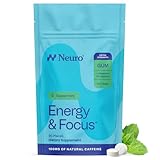
- Fast-Acting Nootropic - Our energy supplements deliver an extra boost of energy and clarity with a blend of natural caffeine, L-theanine, and vitamin b6 & b12. Your go-to chewing gum for work, exercise, and daily focus!
- Clean Energy - Each piece of our sugar free gum delivers 100mg of natural caffeine from green coffee beans for a smooth energy boost without crashes or jitters.
- The Perfect Balance - With 60mg of L-theanine per piece, our energy and focus formula promotes enhanced focus and stress reduction to smooth energy boosts.
- How to Use - Chew one piece of the caffeine gum whenever focus or energy is lacking. Ideal for mornings, pre-workout, or afternoon slumps. Effects typically kick in within minutes thanks to optimal absorption through the mouth.
- Made by Neuro, Backed by Science - At Neuro, we combine neuroscience with clean, science backed ingredients to help you do more, think better, and feel your best every single day.
What Affects Your Eye Twitches
- Caffeine Dosage: The amount of coffee you drink directly impacts caffeine intake. More caffeine generally means a higher chance of a twitch.
- Brewing Method: Different brewing methods extract varying amounts of caffeine. Espresso, for example, can be more concentrated per ounce than drip coffee.
- Bean Type and Roast: Robusta beans generally have more caffeine than Arabica beans. Lighter roasts can sometimes retain slightly more caffeine than darker roasts, though this varies.
- Water Quality: Using filtered water can improve coffee taste, but it doesn’t directly affect caffeine’s impact on twitches. However, staying hydrated with good water is crucial.
- Grind Size: While more relevant to extraction and flavor, an improper grind can lead to over-extraction or under-extraction, indirectly affecting the overall coffee experience and potentially your caffeine intake from a given amount of beans.
- Coffee Freshness: Stale coffee doesn’t have more caffeine. Its impact on your body is primarily related to the caffeine content, not its age.
- Your Hydration Levels: As mentioned, coffee can dehydrate you. If you’re already low on fluids, caffeine’s effects can be amplified. Drink water alongside your coffee.
- Your Stress Levels: High stress makes you more susceptible to twitches. Caffeine can add fuel to that fire.
- Sleep Quality: Lack of sleep is a huge trigger. If you’re tired, caffeine might push your system over the edge.
- Diet: A balanced diet rich in magnesium and potassium supports muscle and nerve health. Deficiencies can make you more prone to twitches.
- Medications: Certain medications can interact with caffeine or have side effects that mimic or worsen twitching.
- Underlying Health Conditions: While usually benign, persistent twitches can sometimes signal other issues that need a doctor’s attention.
To counteract coffee’s diuretic effect and maintain proper electrolyte balance, incorporating hydration supplements into your routine can be beneficial.

- FAST & EFFECTIVE HYDRATION: Combat dehydration with our science-based electrolyte powder formula that hydrates faster than water alone. Perfect for sports, outdoor activities, and hot days.
- 3X ELECTROLYTES & ½ THE SUGAR: Our precise formula activates a hydration shortcut, delivering essential electrolytes with less sugar than leading sports drinks. A great-tasting hydration powder that's easy to drink and mix.
- HEALTH-CONSCIOUS FORMULA: Non-GMO, Gluten-Free, Vegan, Soy-Free, Dairy-Free and Kosher. Our hydration packets include essential nutrients like potassium, magnesium, zinc, and vitamin C for added immune support. Natural colors derived from sources including fruit and vegetable juices, turmeric, spirulina extract, and beta carotene. No FD&C colors ever (no Red 40).
- CONVENIENT SINGLE-SERVE PACKETS: 16 portable electrolytes powder packets perfect to rehydrate on-the-go. Ideal for travel, sports activities, and daily use. Mix 1 packet into 8 oz of water for effective hydration.
- TRUSTED BRAND WITH A MISSION: Created by a doctor, DripDrop is a groundbreaking innovation that earned a Mayo Clinic Humanitarian Award. As a Public Benefit Company, every purchase supports our mission to defeat dehydration with global donations of our product.
Pros, Cons, and When It Matters
- Pro: Alertness: Coffee’s caffeine wakes you up and improves focus. This is why most of us drink it.
- Con: Twitch Trigger: For some, that same alertness comes with a side effect: eye twitches.
- Pro: Social Ritual: Grabbing coffee with friends is a great way to connect.
- Con: Sleep Interference: Drinking too much, especially late, can ruin your sleep. Bad sleep equals more twitches.
- Pro: Antioxidants: Coffee contains antioxidants that are good for you.
- Con: Dehydration Risk: You need to actively manage your water intake to avoid dehydration.
- Pro: Flavor Variety: So many beans, roasts, and brewing methods to explore!
- Con: Dependency: Your body can get used to caffeine, leading to withdrawal headaches if you stop.
- Pro: Mood Boost: That morning cup can genuinely lift your spirits.
- Con: Jitters and Anxiety: For sensitive individuals, coffee can induce nervousness.
- Pro: Performance Enhancement: Athletes sometimes use caffeine for a performance edge.
- Con: Exacerbates Stress: If you’re already wound up, coffee can make it worse, leading to twitches.
- When It Matters: If you have an important presentation or a deadline, the alertness boost is key. But if you’re already stressed and sleep-deprived, that extra cup might cause more harm than good.
- When It Matters: If you’re trying to regulate your body’s responses and avoid involuntary spasms, moderating caffeine is crucial.
- When It Matters: If you’re sensitive to stimulants or have a history of anxiety, you’ll want to be extra mindful of your coffee intake.
Common Misconceptions
- Myth: Only bad coffee causes twitches. Nope. Any coffee with caffeine can do it, regardless of quality.
- Myth: Eye twitches mean you’re going blind. Almost always false. Benign eyelid myokymia is extremely common and temporary.
- Myth: Decaf coffee is completely twitch-free. Decaf still has some caffeine, though much less. For very sensitive people, it could still be a factor.
- Myth: Twitches are a sign of a serious neurological disease. Usually, they are just a sign of tired muscles or too much caffeine.
- Myth: You need to stop coffee forever if you get a twitch. Not necessarily. Often, just cutting back is enough.
- Myth: All muscle twitches are the same. Eyelid twitches (myokymia) are common. Twitches elsewhere, or more severe ones, can be different.
- Myth: Coffee directly damages eye muscles. Caffeine stimulates nerves; it doesn’t damage tissue in this context.
- Myth: Only adults get coffee-related twitches. Kids can be sensitive to caffeine too, though they usually drink less coffee.
- Myth: Adding sugar or cream cancels out caffeine’s effects. They add calories but don’t reduce caffeine’s stimulant impact.
- Myth: Eye twitches are always caused by caffeine. Stress, fatigue, and other factors are huge contributors.
FAQ
Q: How much coffee is too much for eye twitches?
A: It varies wildly. For some, one cup is enough. For others, it takes several. Pay attention to your body’s signals.
Q: How long do coffee-induced eye twitches usually last?
A: Typically, they resolve within a few hours after caffeine wears off or you rehydrate. If they linger for days, it might be something else.
Q: Can I drink espresso if I get eye twitches from drip coffee?
A: Espresso is more concentrated. If you’re sensitive, it might trigger twitches even faster or more intensely than a larger cup of drip coffee.
Q: What should I drink instead of coffee if it causes twitches?
A: Try herbal teas, water, or decaf coffee. Staying hydrated is key, so water is always a good bet.
Q: Is there a way to “flush out” caffeine to stop a twitch faster?
A: Rehydrating with water is the best approach. It helps your body process everything. There’s no magic quick fix.
Q: Should I worry if my eye twitches happen when I’m not drinking coffee?
A: If your twitches occur even when you’re avoiding caffeine, it’s likely due to other common triggers like stress, fatigue, or eye strain.
Q: Can coffee make my whole face twitch?
A: Caffeine primarily affects the nervous system generally. While it can make eyelid muscles more sensitive, widespread facial twitching is less commonly linked solely to caffeine and might warrant medical advice.
Q: What if my eyelid twitches constantly?
A: Persistent or constant twitching, especially if it affects your vision or involves other facial muscles, should be evaluated by a doctor to rule out other conditions.
What This Page Does Not Cover (And Where to Go Next)
- Specific Medical Diagnoses: This page explains a common correlation, not a diagnosis. If you’re concerned, see a healthcare professional.
- Detailed Nutritional Science: We touched on magnesium, but a deep dive into nutrient deficiencies and their impact is a separate topic.
- The Science of Sleep Cycles: How caffeine specifically disrupts different stages of sleep is complex.
- Advanced Brewing Techniques: While mentioned, detailed guides on grind size, water temp, and extraction ratios are for dedicated coffee enthusiasts.
- Other Medical Causes of Myokymia: There are many reasons for muscle twitches beyond caffeine. If twitches are severe or persistent, seek medical advice.