
Coffee Consumption And Hair Loss: What’s The Link?
Quick answer
- For most people, drinking coffee doesn’t cause hair loss.
- Some studies suggest caffeine might stimulate hair growth in specific cases, but it’s not a cure.
- Stress from caffeine withdrawal could temporarily increase shedding.
- Underlying health issues are the main drivers of hair loss.
- If you’re worried, talk to a doctor.
Key terms and definitions
- Androgenetic alopecia: The most common type of hair loss, often genetic. Think male-pattern baldness.
- Telogen effluvium: Temporary hair shedding due to stress, illness, or major life changes.
- Caffeine: The stimulant found in coffee, tea, and chocolate.
- Cortisol: The body’s main stress hormone.
- Hormones: Chemical messengers that regulate many bodily functions, including hair growth cycles.
- Nutrient deficiencies: Lack of essential vitamins and minerals that hair needs to grow.
- Scalp circulation: Blood flow to the scalp, which delivers nutrients to hair follicles.
- Hair follicle: The tiny structure in the skin that grows a hair.
- DHT (Dihydrotestosterone): A hormone linked to androgenetic alopecia.
How it works
- Hair growth is a cycle. It has phases: growth, resting, and shedding.
- This cycle can be disrupted by genetics, hormones, or stress.
- Caffeine is a stimulant. It affects your central nervous system.
- It can temporarily increase alertness and reduce fatigue.
- Some research explores caffeine’s potential impact on hair follicles.
- It might influence hormone levels, like DHT, in the scalp.
- This is still an area of active study, not established fact.
- The body metabolizes caffeine. How fast varies from person to person.
What affects the result
- Genetics: This is a big one for hair loss. If it runs in your family, coffee probably isn’t the cause.
- Hormonal balance: Imbalances, like those from thyroid issues or PCOS, impact hair.
- Stress levels: High stress, whether from life or caffeine withdrawal, can lead to shedding.
- Diet and nutrition: Are you getting enough iron, protein, and vitamins? Hair needs fuel.
- Scalp health: A healthy scalp supports healthy hair growth.
- Underlying medical conditions: Autoimmune diseases or scalp infections can cause hair loss.
- Medications: Some drugs have hair loss as a side effect.
- Age: Hair naturally thins as we get older.
- Caffeine intake: Excessive amounts could theoretically impact stress hormones.
- Caffeine sensitivity: Some folks react more strongly to caffeine than others.
- Overall lifestyle: Sleep, exercise, and diet all play a role in your body’s systems.
- Hair care practices: Harsh treatments or tight hairstyles can cause breakage or traction alopecia.
If you’re concerned about nutrient deficiencies impacting your hair, consider exploring hair growth supplements that provide essential vitamins and minerals.

- Natural Hair, Skin, and Nail Supplement - Treat your hair, skin, and nails to the nutritional support you need to shine! Nutrition plays a vital role in fueling a flawless beauty routine. However, nutritional excellence is hard to achieve from just foods alone. A daily dose of our proprietary formula can help supply your body with key nutrients to fill in nutritional gaps not provided by your diet and may address healthier Hair, Skin and Nails
- Your hair deserves care - When all that straightening, chemical treatments, and styling takes its toll, make Rainbow Nutrients’ Hair Growth supplement a part of your daily hair care routine. Infused with a Proprietary Hair Growth Complex that includes 10,000mcg Biotin, OptiMSM, Collagen, goMCT, Saw Palmetto, and so much more to enhance the benefits to their full potential!
- Collagen + OptiMSM = Stronger, Shinier, Healthier Hair - Clinically-backed OptiMSM works synergistically with collagen peptides to strengthen hair structure, boost elasticity, and reduce breakage. Promotes stronger strands and supports radiant skin & nails — your all-in-one beauty vitamin.
- Premium Formula - Rainbow Nutrients’ Hair Growth is Non-GMO and is made in the USA under strict GMP-certified facilities. Each serving contains 10,000mcg Biotin and Vitamin B Complex & more. All these premium quality ingredients are 3rd party tested and blended into one powerful supplement to help give you the results you need!
- 100% Satisfaction Guaranteed: At Rainbow Nutrients, our mission is to help people live longer, happier, and healthier lives. If for some reason, you are not satisfied with our Hair Growth Supplement, our products are backed by our manufacturer's 60-day money-back guarantee. Yes, you have nothing to lose. Try it, risk-free!
Pros, cons, and when it matters
- Pro: Coffee can boost alertness. That’s why most of us drink it.
- Con: Too much caffeine can cause jitters and anxiety.
- Pro: Some studies hint at caffeine’s potential to stimulate hair growth. But it’s early days.
- Con: Abruptly stopping coffee can cause withdrawal headaches and fatigue. This stress could trigger temporary shedding.
- Pro: Coffee is a ritual for many. It’s a pleasant part of the day.
- Con: For sensitive individuals, caffeine can disrupt sleep, impacting overall health.
- Pro: Antioxidants in coffee might have general health benefits.
- Con: High caffeine intake can exacerbate existing anxiety or heart conditions.
- When it matters: If you’re experiencing significant hair loss, focus on medical causes first.
- When it matters: If you’re a heavy coffee drinker and suddenly notice more hair in the drain, consider a gradual reduction.
- When it matters: If you have a genetic predisposition to hair loss, coffee is unlikely to be the primary culprit.
- When it matters: If you’re looking for a miracle hair growth cure, coffee isn’t it.
For significant hair loss, it’s always best to consult a medical professional, who might recommend specific hair loss treatments tailored to your condition.
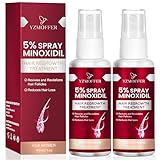
- Clinically Proven Hair Regrowth Treatment for Women: Our 5% Minoxidil for Women formula helps support hair follicle activity and visible regrowth. This powerful hair loss treatment for women helps achieve thicker, fuller hair with consistent use.
- Effective 5% Minoxidil Spray for Visible Results: This fast-absorbing minoxidil spray delivers active ingredients directly to the scalp to extend the hair growth phase and promote stronger, denser strands. Ideal for women experiencing hair thinning or patchy hair loss.
- Easy-to-Use Extra Strength Topical Treatment: Simply spray the lightweight formula onto clean, slightly damp hair. This convenient hair regrowth treatment absorbs quickly into the scalp, leaving no greasy residue—perfect for daily use.
- Strengthens Follicles & Prevents Hair Loss: Our hair loss treatment for women nourishes roots, and fortifies weakened follicles. Continuous use of this minoxidil for women formula helps prevent future hair thinning.
- Effeective Hair Regrowth Solution: This gentle minoxidil spray is suitable for all hair types and scalp conditions. Backed by clinical research, it’s a reliable hair regrowth treatment for women with visible improvement in just weeks.
Common misconceptions
- Myth: Coffee directly causes hair to fall out.
- Reality: For most, it doesn’t. Hair loss has more complex roots.
- Myth: Drinking more coffee will make your hair grow faster.
- Reality: There’s no solid evidence for this. Some studies are mixed and focus on topical application.
- Myth: Caffeine is toxic to hair follicles.
- Reality: This isn’t supported by mainstream science.
- Myth: Baldness is solely caused by drinking coffee.
- Reality: Genetics and hormones are the main players in common hair loss.
- Myth: Stopping coffee will immediately stop hair loss.
- Reality: If stress was a factor, shedding might temporarily increase before normalizing.
- Myth: All coffee is bad for your hair.
- Reality: Moderate consumption is generally fine for most people.
- Myth: Hair loss is always a serious medical problem.
- Reality: While it can be, it’s often a natural process or related to lifestyle.
- Myth: Only men experience hair loss from coffee.
- Reality: Hair loss affects everyone, and the link to coffee is tenuous for all genders.
FAQ
Does drinking a lot of coffee make you go bald?
Generally, no. The primary causes of baldness are genetic and hormonal. Excessive coffee intake isn’t a direct cause for most people.
Can caffeine cause temporary hair shedding?
Yes, if you suddenly stop drinking coffee, the withdrawal can cause stress. This stress, known as telogen effluvium, can lead to temporary increased shedding.
Are there any benefits of coffee for hair?
Some research suggests caffeine, when applied topically, might stimulate hair follicles. However, drinking coffee for hair growth benefits is not well-supported.
Should I stop drinking coffee if I’m losing hair?
If your hair loss is significant, consult a doctor first to identify the cause. If you suspect your coffee habit is contributing to stress, consider a gradual reduction.
Is it safe to put coffee grounds on my scalp?
Some people try this as a DIY treatment. While caffeine might have some topical effects, it’s not a proven cure, and you should be cautious about irritation.
What’s the link between stress and hair loss, and how does coffee fit in?
High stress levels can disrupt the hair growth cycle, leading to shedding. If coffee consumption causes you significant anxiety or if withdrawal is stressful, it could indirectly play a role.
What other factors are more likely to cause hair loss than coffee?
Genetics (androgenetic alopecia), hormonal changes (thyroid issues, pregnancy), nutritional deficiencies, certain medical conditions, and medications are far more common causes.
What this page does NOT cover (and where to go next)
- Specific medical treatments for hair loss.
- Detailed analysis of topical caffeine hair treatments.
- Nutritional plans for hair health.
- How to gradually reduce caffeine intake.
- The science behind different types of hair loss.