
How Coffee Keeps You Awake
Quick answer
- Coffee’s wake-up power comes from caffeine, a natural stimulant.
- Caffeine blocks adenosine, a brain chemical that makes you feel tired.
- It also boosts adrenaline, preparing your body for action.
- The effects can kick in within 15-45 minutes.
- How long it lasts varies, but it’s typically a few hours.
- Tolerance builds, meaning you might need more over time.
Key terms and definitions
- Caffeine: The primary psychoactive compound in coffee, known for its stimulant effects.
- Adenosine: A neurotransmitter that builds up in your brain throughout the day, promoting relaxation and sleepiness.
- Receptor Sites: Specific locations in your brain where adenosine binds to signal tiredness.
- Stimulant: A substance that increases the activity of the central nervous system, leading to increased alertness and energy.
- Adrenaline (Epinephrine): A hormone that triggers the “fight or flight” response, increasing heart rate and energy levels.
- Central Nervous System (CNS): The brain and spinal cord, which control most bodily functions.
- Metabolism: The chemical processes that occur within a living organism in order to maintain life.
- Half-life: The time it takes for the amount of a substance (like caffeine) in your body to reduce by half.
- Tolerance: A reduced response to a drug after repeated use, requiring larger doses to achieve the same effect.
- Withdrawal: Unpleasant physical or psychological symptoms that occur when a person stops taking a habitually used drug.
How it works
- Coffee beans contain caffeine, a natural chemical.
- When you brew coffee, caffeine dissolves into the hot water.
- You ingest the liquid, and caffeine enters your bloodstream.
- From there, it travels to your brain.
- In your brain, caffeine molecules are shaped similarly to adenosine.
- They fit into adenosine receptor sites, blocking adenosine from binding.
- Adenosine can’t signal “time to sleep” effectively.
- This leads to increased alertness and reduced perception of fatigue.
- Caffeine also prompts your pituitary gland to signal the adrenal glands.
- These glands release adrenaline, giving you that “boost” feeling.
What affects the result
- Caffeine Content: Different beans and brewing methods yield varying caffeine levels. Dark roasts sometimes have slightly less caffeine than lighter ones, contrary to popular belief.
- Your Genetics: Some people metabolize caffeine faster or slower than others. It’s in your DNA.
- Your Tolerance: Regular coffee drinkers often build up a tolerance, needing more to feel the same effect.
- What Else You’ve Eaten: Food in your stomach can slow caffeine absorption.
- Your Body Weight: Generally, a larger person might feel less intense effects from the same amount of caffeine.
- Your Sleep Debt: If you’re severely sleep-deprived, caffeine might just take the edge off, not fully wake you.
- How Quickly You Drink It: Gulping it down means faster absorption than sipping.
- Other Stimulants: Mixing coffee with other caffeinated drinks or energy supplements can amplify effects.
- Medications: Certain medications can interact with caffeine metabolism. Always check with your doctor.
- Your Hydration Level: Dehydration can sometimes make you feel more tired, so staying hydrated is key.
- The Time of Day: Your natural circadian rhythm plays a big role. Caffeine might be less effective when your body is already programmed to be alert.
- The Quality of the Coffee: While not directly about wakefulness, a good cup just tastes better and can improve your mood, indirectly aiding alertness.
If you’re looking for a more controlled dose of caffeine without the coffee, consider caffeine supplements. They can be a convenient way to manage your intake.
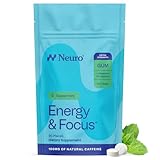
- Fast-Acting Nootropic - Our energy supplements deliver an extra boost of energy and clarity with a blend of natural caffeine, L-theanine, and vitamin b6 & b12. Your go-to chewing gum for work, exercise, and daily focus!
- Clean Energy - Each piece of our sugar free gum delivers 100mg of natural caffeine from green coffee beans for a smooth energy boost without crashes or jitters.
- The Perfect Balance - With 60mg of L-theanine per piece, our energy and focus formula promotes enhanced focus and stress reduction to smooth energy boosts.
- How to Use - Chew one piece of the caffeine gum whenever focus or energy is lacking. Ideal for mornings, pre-workout, or afternoon slumps. Effects typically kick in within minutes thanks to optimal absorption through the mouth.
- Made by Neuro, Backed by Science - At Neuro, we combine neuroscience with clean, science backed ingredients to help you do more, think better, and feel your best every single day.
Pros, cons, and when it matters
- Pro: Immediate boost in alertness and focus. Great for those early mornings or late-night pushes.
- Con: Can lead to jitters, anxiety, or a crash later. Not everyone handles it well.
- Pro: Improved physical performance. Many athletes use it for an edge.
- Con: Disrupts sleep if consumed too late in the day. That’s a classic mistake.
- Pro: Can enhance mood and cognitive function for some. A good cup can make a difference.
- Con: Can cause digestive issues or heartburn for sensitive individuals. Watch out for that.
- Pro: Withdrawal symptoms can be managed with gradual reduction. It’s not a permanent prison.
- Con: Tolerance means you might need more over time, potentially leading to dependency.
- Pro: It’s a social ritual for many. Meeting up for coffee is a good time.
- Con: Can be expensive if you’re buying out daily. Brewing at home saves cash.
- Pro: Can temporarily boost metabolism. Might help a little with weight management.
- Con: Can exacerbate existing heart conditions or high blood pressure in some. Be aware of your health.
Common misconceptions
- Myth: Dark roast coffee has more caffeine than light roast. Reality: Lighter roasts often retain more caffeine.
- Myth: Coffee makes you permanently tired after the effects wear off. Reality: It just masks fatigue temporarily.
- Myth: You can “out-caffeine” a severe lack of sleep. Reality: Caffeine can’t replace actual rest.
- Myth: Decaf coffee has zero caffeine. Reality: Decaf still contains a small amount, usually less than 10mg per cup.
- Myth: Coffee is dehydrating. Reality: While it has a mild diuretic effect, the water in coffee largely offsets it for most people.
- Myth: Caffeine is addictive like hard drugs. Reality: Caffeine dependence is generally considered mild compared to other substances.
- Myth: The “coffee nap” is always effective. Reality: It works for some, but the timing of caffeine vs. sleep is tricky.
- Myth: All coffee makers produce the same caffeine level. Reality: Brewing method, time, and grind size all play a role.
- Myth: You can build immunity to caffeine. Reality: You build tolerance, not immunity.
- Myth: Coffee directly damages your brain. Reality: For most healthy adults, moderate consumption is not harmful and may even have protective effects.
FAQ
Can coffee make you awake instantly?
No, it takes time. Caffeine needs to be absorbed into your bloodstream and reach your brain, usually taking about 15 to 45 minutes.
How long does coffee keep you awake?
The effects typically last for 3 to 5 hours, but this varies based on your individual metabolism and tolerance.
What happens if I drink too much coffee?
You might experience jitters, anxiety, rapid heart rate, digestive upset, or difficulty sleeping. It’s best to stick to moderate amounts.
Does caffeine affect everyone the same way?
No. Genetics, body weight, tolerance, and other factors mean people react differently to caffeine.
Is there a best time to drink coffee to stay awake?
For most people, mid-morning is ideal, after your natural cortisol levels start to dip. Avoid it too close to bedtime.
Can coffee help with a hangover?
It might make you feel more alert, but it doesn’t cure the underlying dehydration or inflammation of a hangover. Drink water too.
Does coffee make you smarter?
It can temporarily improve alertness, focus, and some cognitive functions, but it doesn’t permanently increase intelligence.
What’s the recommended daily limit for caffeine?
For most healthy adults, up to 400 milligrams of caffeine per day is generally considered safe. That’s about 4 cups of brewed coffee.
Can I drink coffee if I have anxiety?
Be cautious. Caffeine can worsen anxiety symptoms in some people. Start with a small amount or consider decaf.
Will drinking coffee help me stay awake for a long drive?
Yes, it can help with alertness, but it’s not a substitute for rest. Take breaks and stretch your legs.
What this page does NOT cover (and where to go next)
- Specific caffeine content in various coffee brands or brewing methods. (Look for detailed brewing guides.)
- Health risks or benefits associated with long-term, high caffeine consumption. (Consult health professionals or reputable health sites.)
- The precise chemical breakdown of caffeine in the body. (Explore biochemistry resources.)
- How to brew the perfect cup of coffee for flavor. (Dive into coffee brewing techniques.)
- Legal regulations or guidelines regarding caffeine content in beverages. (Check consumer safety information.)