
Why Does Coffee Sometimes Make You Feel Tired?
Quick answer
- Coffee doesn’t usually make you tired. It’s more likely a rebound effect after the caffeine wears off.
- This is often called a caffeine crash or adenosine rebound.
- Your body builds up adenosine while you’re awake, and caffeine blocks its receptors.
- When caffeine leaves your system, adenosine rushes back, making you feel sleepy.
- Dehydration can also mimic tiredness after coffee.
- It’s not the coffee itself, but how your body processes the caffeine and its subsequent effects.
Key terms and definitions
- Caffeine: A natural stimulant found in coffee beans, tea leaves, and other plants. It blocks adenosine receptors in your brain.
- Adenosine: A neurotransmitter that builds up in your brain throughout the day, signaling tiredness and promoting sleep.
- Adenosine Receptors: Proteins in your brain that adenosine binds to, triggering feelings of drowsiness.
- Caffeine Crash: The sudden feeling of fatigue that can occur when the stimulating effects of caffeine wear off.
- Caffeine Tolerance: When your body becomes accustomed to regular caffeine intake, requiring more to achieve the same effect.
- Withdrawal: Symptoms experienced when caffeine intake is stopped or significantly reduced, including fatigue, headaches, and irritability.
- Dehydration: A state where your body loses more fluid than it takes in, which can cause fatigue.
- Half-life: The time it takes for the amount of a substance (like caffeine) in your body to reduce by half.
- Stimulant: A substance that raises levels of physiological or nervous system activity.
- Receptor Antagonist: A drug that binds to a receptor but does not activate it, blocking other ligands from binding. Caffeine acts as an adenosine receptor antagonist.
How it works
- Caffeine enters your bloodstream and travels to your brain.
- In your brain, caffeine latches onto adenosine receptors.
- It blocks adenosine from binding, preventing the “tired” signals.
- This makes you feel more alert and awake.
- As caffeine is metabolized, it leaves your system.
- Adenosine then rushes to bind with its receptors.
- This sudden influx of adenosine signals can make you feel very tired.
- This is the core mechanism behind what is called when coffee makes you tired.
- Your body’s natural sleep-wake cycle is temporarily overridden, then reasserts itself.
- It’s a bit like holding back a wave, and then it crashes over you.
What affects the result
- Amount of Caffeine: More caffeine means a bigger effect and potentially a bigger crash.
- Your Metabolism: How quickly your body processes caffeine varies person to person. Some clear it fast, others slow.
- Regularity of Consumption: If you drink coffee daily, your body builds tolerance.
- Hydration Levels: Being dehydrated can make you feel tired, and coffee can be a diuretic.
- Sleep Quality: If you’re already sleep-deprived, caffeine’s effects might be less pronounced or the crash more severe.
- Food Intake: Drinking coffee on an empty stomach can lead to faster absorption and a quicker onset of effects.
- Genetics: Some people are genetically predisposed to metabolize caffeine faster or slower.
- Other Stimulants or Depressants: Mixing substances can alter how caffeine affects you.
- Time of Day: Your body’s natural circadian rhythm plays a role in how you respond to caffeine.
- Brewer Type: Drip, espresso, cold brew – they all have different caffeine concentrations and release rates.
- Roast Level: Darker roasts tend to have slightly less caffeine than lighter roasts, though this is often debated.
- Freshness of Beans: While not directly tied to tiredness, stale beans can affect flavor, which might indirectly impact your enjoyment and perceived effect.
Pros, cons, and when it matters
- Pro: Increased Alertness: Coffee wakes you up, sharpens focus. Essential for early mornings or late nights.
- Con: Caffeine Crash: The rebound fatigue can be intense, sometimes worse than before.
- Pro: Improved Performance: Can boost physical and mental performance for short periods.
- Con: Jitters and Anxiety: Too much caffeine can lead to shakiness and nervousness.
- Pro: Enhanced Mood: For many, coffee provides a pleasant mood lift.
- Con: Sleep Disruption: Drinking coffee too late can mess with your sleep schedule.
- Pro: Social Ritual: Coffee breaks are a common way to connect.
- Con: Dependency: Regular use can lead to withdrawal symptoms if stopped.
- Pro: Antioxidants: Coffee contains beneficial compounds.
- Con: Digestive Issues: Some people experience stomach upset.
- Pro: It tastes good! Let’s be honest, that’s a big part of it.
- Con: Dehydration Risk: If you don’t balance it with water.
This is why understanding what is called when coffee makes you tired is important. It helps you manage your intake and avoid those unpleasant dips.
Common misconceptions
- Myth: Coffee is inherently bad for you. Reality: Moderate consumption is generally fine for most adults.
- Myth: Caffeine is a magic bullet for energy. Reality: It masks fatigue; it doesn’t create energy.
- Myth: Espresso has more caffeine than drip coffee. Reality: Per serving, drip usually has more caffeine. Espresso is concentrated, but served in smaller amounts.
- Myth: Coffee makes you permanently tired. Reality: The tiredness is usually temporary, a rebound effect.
- Myth: You can “out-caffeine” a lack of sleep. Reality: Caffeine can’t replace actual rest.
- Myth: All coffee has the same amount of caffeine. Reality: It varies wildly by bean, roast, and brew method.
- Myth: Coffee stunts growth. Reality: No scientific evidence supports this for adults.
- Myth: Cold brew is less acidic and thus “healthier”. Reality: Acidity differs, but caffeine content can be higher.
- Myth: The crash is a sign of addiction. Reality: It’s a physiological response to adenosine rebound.
- Myth: Sugar in coffee doesn’t matter for tiredness. Reality: Sugar spikes and crashes can exacerbate caffeine-induced fatigue.
FAQ
Q: What is the scientific term for the coffee crash?
A: It’s often referred to as adenosine rebound or a caffeine crash. It’s when your body catches up on the adenosine it missed while caffeine was blocking the receptors.
Q: How long does the caffeine crash typically last?
A: It can vary, but usually, the most intense feeling lasts from 30 minutes to a couple of hours as your body rebalances.
Q: Can drinking too much water counteract the crash?
A: Staying hydrated is always good and can help combat general fatigue. However, it won’t directly block the adenosine rebound.
Q: Is there a way to avoid the caffeine crash altogether?
A: Not entirely, but you can minimize it by drinking in moderation, staying hydrated, eating well, and getting enough sleep.
Q: Does decaf coffee cause tiredness?
A: Decaf coffee has minimal caffeine, so it shouldn’t cause a significant crash. However, some people might be sensitive to other compounds in coffee.
Q: What’s the best way to deal with feeling tired after coffee?
A: The best approach is to drink some water, maybe have a light snack, and allow your body to rebalance naturally. A short walk can also help.
Q: If I feel tired after coffee, does it mean I have a caffeine sensitivity?
A: Not necessarily. It’s more likely the normal effect of caffeine wearing off and adenosine returning to its job. True sensitivity usually involves more immediate negative reactions.
Q: Can I build up a tolerance to the crash?
A: You build tolerance to caffeine’s stimulating effects, meaning you might need more to feel awake. This can indirectly lead to a more pronounced crash when you do consume it.
If you’re looking to manage your caffeine intake and potentially mitigate crashes, consider exploring caffeine supplements. They offer a more controlled way to get a boost without the variability of coffee.
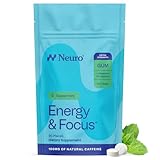
- Fast-Acting Nootropic - Our energy supplements deliver an extra boost of energy and clarity with a blend of natural caffeine, L-theanine, and vitamin b6 & b12. Your go-to chewing gum for work, exercise, and daily focus!
- Clean Energy - Each piece of our sugar free gum delivers 100mg of natural caffeine from green coffee beans for a smooth energy boost without crashes or jitters.
- The Perfect Balance - With 60mg of L-theanine per piece, our energy and focus formula promotes enhanced focus and stress reduction to smooth energy boosts.
- How to Use - Chew one piece of the caffeine gum whenever focus or energy is lacking. Ideal for mornings, pre-workout, or afternoon slumps. Effects typically kick in within minutes thanks to optimal absorption through the mouth.
- Made by Neuro, Backed by Science - At Neuro, we combine neuroscience with clean, science backed ingredients to help you do more, think better, and feel your best every single day.
What this page does NOT cover (and where to go next)
- Specific caffeine content in different coffee drinks (e.g., lattes vs. americanos).
- Detailed health benefits or risks of long-term coffee consumption.
- Advanced brewing techniques for optimizing flavor and extraction.
- How to diagnose or treat chronic fatigue conditions.
- The history of coffee cultivation and trade.