
How Long Does Coffee Keep You Awake?
Quick answer
- Caffeine’s effects kick in fast, usually within 15-45 minutes.
- The peak alertness boost typically lasts 3-5 hours.
- Half of the caffeine is out of your system in about 5-6 hours.
- You might feel lingering effects for up to 10-12 hours.
- Individual sensitivity and metabolism play a huge role.
- Your last cup matters for sleep quality.
Key terms and definitions
- Caffeine: The natural stimulant found in coffee beans. It blocks adenosine, a neurotransmitter that makes you feel tired.
- Adenosine: A chemical in your brain that builds up throughout the day, signaling sleepiness.
- Half-life: The time it takes for the amount of a substance (like caffeine) in your body to reduce by half.
- Metabolism: The process your body uses to break down and get rid of caffeine. This varies from person to person.
- Peak Effects: The period when caffeine’s stimulant effects are strongest.
- Lingering Effects: The less intense but still noticeable impact caffeine has on your body and mind after the peak.
- Tolerance: When your body gets used to regular caffeine intake, requiring more to achieve the same effect.
- Withdrawal: Symptoms like headaches or fatigue that can occur when you stop consuming caffeine after regular use.
- Sleep Latency: The amount of time it takes to fall asleep. Caffeine can increase this.
- Sleep Quality: How restful your sleep is. Caffeine consumed too late can disrupt deep sleep.
How it works
- Caffeine enters your bloodstream after you drink coffee.
- It travels to your brain and blocks adenosine receptors.
- This blockage prevents adenosine from making you feel drowsy.
- Your brain then releases other stimulating chemicals like dopamine and norepinephrine.
- This leads to increased alertness, focus, and a general feeling of being more awake.
- The liver metabolizes caffeine, breaking it down into byproducts.
- These byproducts are then filtered out by your kidneys.
- The rate of this process determines how long caffeine stays in your system.
- As caffeine levels drop, adenosine starts binding to its receptors again.
- You begin to feel the return of tiredness.
What affects how many hours does coffee make you awake
- Brewing Method: Drip, espresso, French press – they all extract caffeine differently. A stronger brew means more caffeine.
- Coffee Bean Type: Robusta beans generally have more caffeine than Arabica.
- Roast Level: Lighter roasts tend to retain slightly more caffeine than darker roasts.
- Amount of Coffee: Obviously, more grounds and more water means more caffeine. Simple math.
- Your Personal Metabolism: Some folks process caffeine like lightning; others are slowpokes. Genetics plays a big part.
- Body Weight: Heavier individuals might feel the effects less intensely per milligram of caffeine.
- Food Intake: Drinking coffee on an empty stomach means faster absorption. Food slows it down.
- Medications: Certain drugs can interfere with how your body metabolizes caffeine. Check with your doc if you’re on something.
- Pregnancy: Pregnant individuals often metabolize caffeine much slower.
- Age: Metabolism can change as you age.
- Hydration Levels: Being dehydrated might make you feel the effects more acutely.
- Regular Caffeine Consumption (Tolerance): If you drink coffee daily, you might not feel the “awake” boost as strongly as someone who rarely does.
If you’re looking for a more controlled caffeine intake without the coffee, consider exploring caffeine supplements.
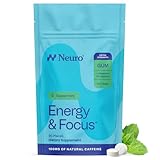
- Fast-Acting Nootropic - Our energy supplements deliver an extra boost of energy and clarity with a blend of natural caffeine, L-theanine, and vitamin b6 & b12. Your go-to chewing gum for work, exercise, and daily focus!
- Clean Energy - Each piece of our sugar free gum delivers 100mg of natural caffeine from green coffee beans for a smooth energy boost without crashes or jitters.
- The Perfect Balance - With 60mg of L-theanine per piece, our energy and focus formula promotes enhanced focus and stress reduction to smooth energy boosts.
- How to Use - Chew one piece of the caffeine gum whenever focus or energy is lacking. Ideal for mornings, pre-workout, or afternoon slumps. Effects typically kick in within minutes thanks to optimal absorption through the mouth.
- Made by Neuro, Backed by Science - At Neuro, we combine neuroscience with clean, science backed ingredients to help you do more, think better, and feel your best every single day.
Pros, cons, and when it matters
- Pro: Enhanced Alertness: Great for early mornings or long drives. Gets you going.
- Con: Jitters and Anxiety: Too much caffeine can make you feel wired and uneasy. Not a good look.
- Pro: Improved Focus: Can help you concentrate on tasks. Good for deadline crunch time.
- Con: Sleep Disruption: Drinking coffee too late can mess with your sleep cycle. Big no-no for restful nights.
- Pro: Mood Boost: Caffeine can elevate your mood for some people. A little pick-me-up.
- Con: Digestive Issues: Can cause heartburn or stomach upset for sensitive individuals.
- Pro: Physical Performance: Athletes sometimes use caffeine to boost endurance.
- Con: Dependency and Withdrawal: Regular use can lead to needing it to function normally.
- Pro: Antioxidants: Coffee has beneficial compounds. A small bonus.
- Con: Increased Heart Rate: Can be a concern for those with heart conditions.
- Pro: Social Ritual: The act of making and sharing coffee can be very enjoyable.
- Con: Dehydration Risk: If you don’t balance it with water, it can be mildly dehydrating.
Common misconceptions
- Myth: All coffee has the same amount of caffeine. Nope. Bean type, roast, and brew method all change the caffeine content.
- Myth: Decaf coffee has zero caffeine. It has a tiny amount, usually less than 5 mg. Still some buzz.
- Myth: Caffeine is addictive like a hard drug. It can cause dependence, but it’s not typically considered addictive in the same severe way.
- Myth: Coffee makes you instantly more awake. It takes time for caffeine to absorb and hit your brain. Give it a minute.
- Myth: You can “power through” caffeine’s effects with more coffee. Too much can just make you jittery and anxious, not more productive.
- Myth: Caffeine is only bad for you. It has some health benefits in moderation.
- Myth: Espresso has way more caffeine than drip coffee. A shot of espresso has more per ounce, but a typical cup of drip coffee often has more total caffeine.
- Myth: Caffeine disappears from your system after a few hours. Its half-life means it lingers much longer than you might think.
- Myth: Cold brew is less caffeinated. Often, it’s more concentrated due to the higher coffee-to-water ratio and long steep time.
- Myth: Coffee just masks tiredness. It blocks adenosine, but doesn’t actually create energy. Your body still needs rest.
FAQ
Q: How many hours does coffee make you awake on average?
A: Typically, you’ll feel the main boost for about 3 to 5 hours. After that, the effects gradually fade.
Q: When does caffeine start working after I drink it?
A: Caffeine usually starts getting absorbed within 15 to 45 minutes after consumption. That’s when you’ll begin to feel its effects.
Q: How long does caffeine stay in my system?
A: The half-life of caffeine is about 5 to 6 hours. This means half of it is gone by then, but it can take 10 to 12 hours or more for your body to clear most of it.
Q: Will drinking coffee late at night ruin my sleep?
A: It can. Caffeine consumed within 6-8 hours of bedtime can make it harder to fall asleep and reduce the quality of your sleep.
Q: Does caffeine affect everyone the same way?
A: Absolutely not. Genetics, body weight, metabolism, and even what you ate that day all influence how caffeine affects you.
Q: Can I build up a tolerance to coffee?
A: Yes. If you drink coffee regularly, your body can become less sensitive to caffeine’s effects over time.
Q: Is there a way to speed up caffeine metabolism?
A: Not really. Your liver’s speed is mostly determined by genetics. Hydration might help a little, but don’t expect miracles.
Q: How much caffeine is in a typical cup of coffee?
A: A standard 8-ounce cup of brewed coffee usually contains around 95 mg of caffeine, but this can vary a lot.
Q: What’s the difference between feeling “awake” and feeling “energized”?
A: Caffeine primarily blocks adenosine, making you feel less tired (“awake”). It doesn’t provide actual energy in the way food does.
Q: Can I drink coffee and still get good sleep?
A: It’s best to avoid caffeine for at least 6 hours before you plan to sleep. This gives your body time to process it.
What this page does NOT cover (and where to go next)
- Specific caffeine content of every single coffee drink. (Check the café menu or brand packaging.)
- Detailed medical advice on caffeine’s effects on specific health conditions. (Consult your doctor.)
- The science behind coffee bean cultivation and processing. (Look for agricultural or food science resources.)
- Recipes for complex coffee beverages. (Explore barista guides or culinary sites.)
- The history of coffee brewing technology. (Dive into historical texts or specialized coffee blogs.)