
Can Coffee Lead to Anger?
Quick Answer
- Caffeine, the main active compound in coffee, is a stimulant.
- For some, stimulants can increase feelings of anxiety or irritability, which might be perceived as anger.
- Individual sensitivity to caffeine varies wildly.
- Other factors like sleep, stress, and personal disposition play a bigger role than coffee itself.
- Moderation is usually key. Too much of anything can be a problem.
- If you notice a consistent link between coffee and anger, consider cutting back or switching to decaf.
Key Terms and Definitions
- Caffeine: A natural stimulant found in coffee beans, tea leaves, and cacao pods. It affects the central nervous system.
- Stimulant: A substance that increases activity in the central nervous system and the body. Think of it like a temporary boost.
- Irritability: A state of being easily annoyed or angered. It’s that feeling of being on edge.
- Anxiety: A feeling of worry, nervousness, or unease, typically about an imminent event or something with an uncertain outcome. Can sometimes manifest as anger.
- Tolerance: The ability of the body to become accustomed to a substance, requiring larger doses to achieve the same effect. Your body gets used to it.
- Withdrawal: The group of symptoms that occur after stopping or reducing intake of a drug or substance that the body has become dependent on. Headaches are a common one.
- Adrenal Glands: Glands that produce hormones like adrenaline and cortisol, often involved in the body’s stress response. Coffee can give them a nudge.
- Neurotransmitters: Chemical messengers in the brain that transmit signals. Caffeine can influence these.
- Cortisol: A steroid hormone produced by the adrenal glands, often called the “stress hormone.” Coffee can temporarily raise its levels.
- Placebo Effect: A beneficial effect produced by a placebo drug or treatment, which cannot be attributed to the properties of the placebo itself, and must therefore be assumed to be the result of the patient’s belief in that treatment. Sometimes, what you think will happen, does.
How Coffee Affects Your Mood
- Coffee contains caffeine, a natural stimulant. It’s the main showrunner in the cup.
- Caffeine blocks adenosine, a neurotransmitter that makes you feel tired. This leads to increased alertness.
- It also triggers the release of adrenaline and dopamine. These are “feel-good” or “get-up-and-go” chemicals.
- For some, this stimulant effect can push them past alertness into feeling jittery or anxious.
- Anxiety and irritability are closely related. If you’re feeling on edge, anger can be a short hop away.
- The body’s stress response can be activated by caffeine. This involves hormones like cortisol.
- Elevated cortisol levels are linked to increased feelings of stress and, yes, sometimes anger.
- This isn’t a universal reaction. Many people just feel focused and energized.
- How quickly you metabolize caffeine also matters. Some folks clear it fast, others hang onto it.
- The amount you drink is a big factor. A single cup is different from a quadruple espresso.
If you’re looking for a controlled way to experience caffeine’s benefits without the coffee, consider exploring caffeine supplements.
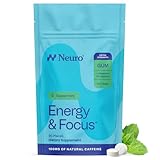
- Fast-Acting Nootropic - Our energy supplements deliver an extra boost of energy and clarity with a blend of natural caffeine, L-theanine, and vitamin b6 & b12. Your go-to chewing gum for work, exercise, and daily focus!
- Clean Energy - Each piece of our sugar free gum delivers 100mg of natural caffeine from green coffee beans for a smooth energy boost without crashes or jitters.
- The Perfect Balance - With 60mg of L-theanine per piece, our energy and focus formula promotes enhanced focus and stress reduction to smooth energy boosts.
- How to Use - Chew one piece of the caffeine gum whenever focus or energy is lacking. Ideal for mornings, pre-workout, or afternoon slumps. Effects typically kick in within minutes thanks to optimal absorption through the mouth.
- Made by Neuro, Backed by Science - At Neuro, we combine neuroscience with clean, science backed ingredients to help you do more, think better, and feel your best every single day.
What Affects Your Reaction to Coffee
- Caffeine Sensitivity: This is huge. Some people are wired to feel effects strongly, others barely at all. It’s genetic, mostly.
- Dosage: How much coffee are you drinking? A small cup is one thing, a venti is another.
- Timing: Drinking coffee late in the day can mess with sleep. Poor sleep definitely makes people cranky.
- Sleep Quality: If you’re already sleep-deprived, caffeine might just amplify existing irritability.
- Stress Levels: High stress makes you more susceptible to negative effects from stimulants. Your system is already revved up.
- Hydration: Dehydration can cause headaches and fatigue, which can make you feel grumpy. Coffee can be a diuretic for some.
- What Else You Ate/Drank: Mixing coffee with sugary snacks or other stimulants can compound effects.
- Medications: Certain medications can interact with caffeine, altering its effects. Always check with your doc.
- Genetics: Your DNA plays a role in how efficiently your body processes caffeine. Some are fast metabolizers, some slow.
- Your Gut Health: Emerging research suggests gut bacteria can influence how we react to food and drinks, including coffee.
- Your General Disposition: Are you naturally a calm person or prone to short fuses? Coffee might just tilt the scale.
- Tolerance Buildup: If you drink coffee daily, your body might adapt, reducing the stimulant impact.
Pros, Cons, and When It Matters
- Pro: Increased Alertness and Focus: Great for early mornings or long work sessions. Helps you get stuff done.
- Con: Jitters and Anxiety: Too much caffeine can make you feel wired and uneasy. Not ideal for a chill vibe.
- Pro: Mood Boost: For many, coffee provides a pleasant lift. It can make you feel more positive.
- Con: Irritability and Anger: In sensitive individuals or with high doses, it can lead to a short temper.
- Pro: Enhanced Physical Performance: Caffeine is a known ergogenic aid. Good for athletes.
- Con: Sleep Disruption: Drinking coffee too late can wreck your sleep, leading to grogginess and bad moods the next day.
- Pro: Antioxidants: Coffee is packed with beneficial compounds. Good for your health in moderation.
- Con: Digestive Issues: Some people experience stomach upset or acid reflux from coffee.
- Pro: Social Ritual: The act of brewing and sharing coffee is a bonding experience for many.
- Con: Withdrawal Symptoms: Skipping coffee after regular use can cause headaches and fatigue.
- Pro: Can Aid Weight Management: Caffeine can boost metabolism slightly. Every little bit helps, right?
- Con: Dependency: Relying on coffee to function can be a downside. It’s good to have options.
Common Misconceptions
- Myth: Coffee always makes people angry. Nope. Most people feel fine, even good. It’s about individual reaction.
- Myth: Decaf coffee has zero caffeine. It has a small amount, usually less than 3%. Not zero, but close enough for most.
- Myth: You need to drink a lot of coffee to feel its effects. Not true. For sensitive people, even a little can make a difference.
- Myth: Coffee is inherently bad for your health. Research shows moderate coffee consumption is linked to health benefits for many.
- Myth: If you feel angry after coffee, you’re just weak-willed. Not at all. It’s a physiological response to a stimulant.
- Myth: Adding sugar or cream cancels out caffeine’s effects. They change the taste and can affect blood sugar, but don’t remove the caffeine.
- Myth: Coffee makes you dehydrated. While it has a mild diuretic effect, the water in coffee usually offsets it for moderate drinkers.
- Myth: All coffee beans are the same. Nope. Roast level, origin, and processing all affect flavor and caffeine content.
- Myth: You can “sweat out” caffeine. Not really. Your body metabolizes it over time. Exercise might make you feel more alert while it’s in your system, though.
- Myth: Coffee addiction is like drug addiction. While you can get dependent and have withdrawal, it’s generally considered less severe than other substance dependencies.
FAQ
- Can coffee make me anxious?
Yes, for some people, the stimulant effect of caffeine can increase feelings of anxiety or nervousness. This is more common with higher doses or if you’re particularly sensitive.
- Is it my fault if coffee makes me irritable?
No, it’s not about fault. It’s a physiological response. Your body reacts to the caffeine, and for some, that reaction includes irritability.
- How much coffee is too much?
This varies greatly. For most healthy adults, up to 400 milligrams of caffeine a day (about 4 cups of brewed coffee) is generally considered safe. Pay attention to how you feel.
- What’s the difference between caffeine sensitivity and tolerance?
Sensitivity is how strongly you feel the effects of caffeine. Tolerance is when your body gets used to caffeine, so you need more to get the same buzz.
- Can I drink coffee if I’m prone to anger?
You can, but be mindful. Start with a small amount, maybe decaf, and see how you feel. Listen to your body.
- Are there ways to enjoy coffee without the negative mood effects?
Try reducing your intake, switching to decaf, or opting for lighter roasts which sometimes have slightly less caffeine. Ensure you’re well-rested and hydrated.
- Does coffee affect everyone the same way?
Absolutely not. Genetics, lifestyle, and even your mood before drinking coffee can all influence how it affects you.
- What if I get a headache after skipping coffee?
That’s likely a caffeine withdrawal symptom. It usually passes within a day or two. Staying hydrated can help.
What This Page Does Not Cover (and Where to Go Next)
- Specific medical advice for caffeine-related mood disorders. Consult a healthcare professional for personalized guidance.
- Detailed breakdowns of caffeine content in every single type of coffee drink. Check with your barista or brand for specifics.
- The complex biochemical pathways of neurotransmitter interaction in the brain. This is a deep dive for scientists.
- Recommendations for specific brands of decaffeinated coffee or low-caffeine options. Explore what’s available locally.
- The long-term psychological effects of chronic caffeine use. This requires extensive research.