
Using Coffee Grounds to Improve Your Lawn
Quick answer
- Coffee grounds can be a beneficial addition to your lawn care routine.
- They act as a slow-release nitrogen source, promoting greener grass.
- Grounds can also improve soil structure and water retention.
- It’s best to use them sparingly and mix with other organic matter.
- Avoid applying large, thick layers directly to your lawn.
- Used grounds are generally preferred over fresh grounds for this purpose.
Key terms and definitions
- Coffee grounds: The spent, finely ground coffee beans remaining after brewing.
- Nitrogen: A primary nutrient essential for plant growth, particularly foliage development.
- Organic matter: Decomposed plant and animal material that improves soil health.
- Soil pH: A measure of soil acidity or alkalinity; coffee grounds are slightly acidic.
- Aeration: The process of creating small holes in the lawn to allow air, water, and nutrients to penetrate the soil.
- Compost: A mixture of decomposed organic materials used to enrich soil.
- Micronutrients: Essential plant nutrients needed in smaller quantities, such as copper and magnesium.
- Slow-release fertilizer: A fertilizer that releases nutrients gradually over time.
- Vermicomposting: Composting with the aid of worms.
- Mulch: A layer of material applied to the surface of soil to conserve moisture, improve soil conditions, and suppress weeds.
How it works
- Coffee grounds slowly release nitrogen as they decompose, which is a key nutrient for green, leafy growth.
- Their fine texture can help break up compacted soil over time, improving drainage and aeration.
- Grounds contribute organic matter to the soil, enhancing its structure and ability to retain water.
- They can attract beneficial earthworms, which further aerate the soil and create nutrient-rich castings.
- The slight acidity of coffee grounds can help to balance alkaline soils, though their impact on overall lawn pH is often minimal.
- Used grounds contain small amounts of phosphorus, potassium, and micronutrients beneficial to grass.
- When spread thinly, they can act as a mild deterrent for some common lawn pests.
- The decomposition process helps to build a healthier microbial ecosystem in the soil.
- They can be mixed into compost piles to speed up decomposition and add nutrients.
- Applied as a top dressing, they provide a gentle, continuous feeding for the grass.
What affects the result of coffee grounds on grass
- Type of coffee grounds: Used grounds are generally preferred as most of the caffeine and some acidity have been leached out during brewing. Fresh grounds are more acidic and contain higher caffeine levels, which can be detrimental to grass in large quantities.
- Application rate: Applying too much can smother the grass, prevent water penetration, and potentially create an overly acidic environment or fungal issues. A thin, even layer is best.
- Soil type: Grounds may have a more noticeable impact on compacted or nutrient-poor soils by improving structure and adding organic matter.
- Existing soil pH: While coffee grounds are slightly acidic, their long-term effect on overall lawn pH is usually minor, especially when used sparingly. If your soil is already very acidic, adding more acidic material might not be ideal.
- Grass variety: Different grass types have varying nutrient needs and tolerances, though coffee grounds are generally safe for most common lawn grasses.
- Weather conditions: Rain helps to wash the grounds into the soil, aiding decomposition. Dry conditions might leave grounds sitting on the surface longer.
- Grind size: Finer grounds decompose more quickly and integrate into the soil better than coarse grounds.
- Mixing with other amendments: Combining coffee grounds with compost or other organic materials can create a more balanced soil amendment.
- Frequency of application: Infrequent, light applications are better than a single heavy application.
- Overall lawn health: Grounds are a supplement; they won’t fix underlying issues like poor drainage or severe pest infestations.
For a balanced approach to improving your soil, consider using a dedicated soil amendment alongside coffee grounds. This can ensure your lawn receives a comprehensive range of nutrients.
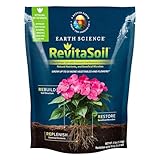
- Premium Soil Revitalizer: Rebuilds depleted soils with premium earthworm castings (worm castings), natural nutrients, and soil-friendly biology
- Boosts Plant Growth: Proven to grow up to 3X more vegetables and flowers with an exclusive patent-pending formula
- Restores Soil Health: One application helps repair structural damage and re-energizes your soil to give you bigger harvests, more flowers, and thriving plants
- Coverage & Convenience: Each 4lb bag revitalizes up to 16 sq ft of soil in gardens, landscapes, raised beds, and pots. Revitalize your existing soil instead of purchasing large, heavy bags of new potting and garden soils
- Natural & Eco-Friendly: Sustainably made and packed full of natural nutrition without any harmful chemicals or pesticides. RevitaSoil is an all-natural solution for gardeners looking to improve soil health, boost growth, and protect the environment.
Pros, cons, and when do coffee grounds make grass greener
- Pro: Acts as a gentle, slow-release nitrogen fertilizer, contributing to greener grass over time.
- Con: Applying too much can lead to matting, prevent water from reaching roots, and potentially cause fungal growth.
- Pro: Improves soil structure by adding organic matter, which can enhance drainage and aeration.
- Con: Can be slightly acidic; while often negligible, it’s a consideration for already acidic soils.
- Pro: Encourages beneficial earthworm activity, further improving soil health.
- Con: May contain residual caffeine, which can inhibit seed germination or harm young plants in high concentrations.
- Pro: A sustainable way to repurpose a common kitchen waste product, reducing landfill contributions.
- Con: Collecting enough grounds for a large lawn can be time-consuming unless you frequent coffee shops.
- Pro: Provides trace minerals like potassium, phosphorus, and magnesium to the soil.
- Con: Not a complete fertilizer; won’t provide all the nutrients your lawn needs.
- When it matters: When you’re looking for an organic, gentle boost for your lawn’s greenness.
- When it matters: As a supplement to traditional lawn care, not a replacement for comprehensive feeding.
- When it matters: If you have slightly alkaline soil and want to gently nudge the pH towards neutral.
Common misconceptions
- Coffee grounds will drastically change soil pH: While slightly acidic, the amount of grounds typically applied to a lawn is usually insufficient to significantly alter the overall soil pH. A soil test is needed for accurate pH assessment.
- Coffee grounds are a complete fertilizer: They primarily provide nitrogen and some trace minerals, but lack the balanced nutrient profile of a complete lawn fertilizer (e.g., NPK ratios).
- You can just dump large piles of grounds on your lawn: This can smother grass, create an impenetrable layer, and promote mold or fungus growth. They should be spread thinly and evenly.
- Fresh coffee grounds are better for your lawn: Used grounds are generally preferred as most of the caffeine and some acidity have been leached out during brewing, making them gentler on grass.
- Coffee grounds will instantly make your grass super green: The benefits are slow-release and gradual. It takes time for the grounds to break down and release their nutrients.
- Coffee grounds kill weeds: While they might slightly deter some weed seeds by forming a thin barrier, they are not an effective herbicide.
- Coffee grounds are toxic to pets: In small, dispersed quantities on a lawn, they are generally not considered toxic to pets. However, large, concentrated amounts could be harmful due to caffeine content.
- Coffee grounds are only for acid-loving plants: While they have a slight acidity, their benefit to lawns is more about nitrogen and organic matter than significantly acidifying the soil.
FAQ
Q: How often should I apply coffee grounds to my lawn?
A: It’s best to apply them sparingly, perhaps once every few months, and in very thin layers. Over-application can lead to problems like matting or fungal growth.
Q: Can coffee grounds harm my pets if they eat them off the lawn?
A: When spread thinly and integrated into the soil, the amount of caffeine ingested would likely be minimal and not harmful. However, large, concentrated piles could be a concern, so ensure they are dispersed.
Q: Should I use fresh or used coffee grounds for my lawn?
A: Used coffee grounds are generally recommended. Brewing removes most of the caffeine and some acidity, making them less potent and more beneficial for your lawn.
Q: Do coffee grounds help with pests or insects in the lawn?
A: Some anecdotal evidence suggests coffee grounds might deter certain pests like slugs or ants due to their texture or smell. However, they are not a primary or guaranteed pest control solution.
Q: How much coffee grounds should I use per square foot of lawn?
A: Aim for a very light dusting – think of it as a thin, barely visible layer. For example, a few tablespoons per square foot, spread evenly, is a good starting point. Avoid creating thick patches.
Q: Will coffee grounds clog my lawn mower?
A: If applied thinly and allowed to settle or be washed in by rain, coffee grounds should not clog your mower. However, thick, wet clumps could potentially cause issues.
Q: Can I mix coffee grounds with other lawn treatments?
A: Yes, coffee grounds can be mixed with compost, topsoil, or other organic amendments before spreading. This can help distribute them more evenly and enhance overall soil benefits.
When mixing coffee grounds with other materials, having the right gardening supplies on hand can make the process much easier. Tools like spreaders and gloves are essential for even application.

- Modular Design: Vego Garden raised bed kits feature an innovative modular design, which means you can assemble a kit into various configurations that fit any backyard or garden space in a 9-in-1 kit, you can build one of 9 possible configurations to fit your garden plans
- Better Material: We have combined a Zinc, Magnesium, and Aluminum coated steel with our award-winning and USDA approved AkzoNobel paint to develop a new material which we call VZ 2.0. The first material of its kind is 100% safe, eco friendly, with a long 20+ year life. VZ 2.0’s exceptional performance has been verified at the Texas A&M National Corrosion & Materials Reliability Lab
- Easier and Safer Installation: No construction knowledge is required with our easy to use raised bed kits, which only require you to assemble the materials and tighten the fasteners; our beds feature an oval design with no sharp corners, along with heavy duty rubber edging to cover the edges providing protection from injury
- Healthier Roots and Less Bending Down: At 17", the higher depth allows plenty of room for root systems to develop, better water drainage, and soil quality. It also eases the strain of bending down, one primary benefit of gardening in raised beds is that you don’t have to bend down quite as far when tending, weeding, or harvesting your plants
- Complete System: Vego Garden has aimed to create unified gardening systems that start outside, in your garden, and extend all the way into your day-to-day today life. The team continues to develop more products that enhance the Vego experience, such as cover system, worm composters, arched trellis and wall trellis and so on. Beyond the physical product, education and community are an integral part of the Vego Garden system, we will continue to strive for these values from design to customer
Q: Do coffee grounds attract mold to the lawn?
A: If applied in thick, wet layers, coffee grounds can potentially promote mold or fungal growth due to moisture retention. Spreading them thinly and allowing them to dry can help prevent this.
What this page does NOT cover (and where to go next)
- Detailed instructions for conducting a soil test for your lawn.
- Comprehensive guides on identifying and treating specific lawn diseases or pests.
- Specific recommendations for commercial lawn fertilizers or chemical treatments.
- In-depth analysis of different grass varieties and their unique care requirements.
- How to start a full-scale composting system for your home.
- Advanced techniques for lawn aeration or dethatching.