
Coffee and Blood Pressure: What’s the Link?
Quick answer
- Caffeine in coffee can cause a temporary, modest increase in blood pressure for some individuals.
- This effect is usually short-lived and less pronounced in regular coffee drinkers.
- The link between long-term coffee consumption and chronic high blood pressure (hypertension) is not well-established.
- Individual responses to caffeine vary significantly.
- Factors like genetics, existing health conditions, and how coffee is prepared can influence the impact.
- If you have concerns about coffee and your blood pressure, consult your healthcare provider.
Key terms and definitions
- Blood Pressure: The force of blood pushing against the walls of your arteries as your heart pumps it around your body. It’s measured in millimeters of mercury (mmHg) and has two numbers: systolic (when the heart beats) and diastolic (when the heart rests between beats).
- Hypertension: A chronic medical condition where blood pressure is persistently elevated, typically defined as 130/80 mmHg or higher.
- Caffeine: A natural stimulant found in coffee beans, tea leaves, and cocoa beans. It affects the central nervous system.
- Systolic Pressure: The top number in a blood pressure reading, representing the pressure in your arteries when your heart muscle contracts.
- Diastolic Pressure: The bottom number in a blood pressure reading, representing the pressure in your arteries when your heart muscle is resting between beats.
- Stimulant: A substance that raises the activity level of the central nervous system and the body.
- Tolerance: The reduced response to a drug or substance after repeated use.
- Cardiovascular System: The network of organs and vessels that transport blood throughout the body, including the heart, arteries, veins, and capillaries.
- Vasoconstriction: The narrowing of blood vessels, which can increase blood pressure.
- Decaffeinated Coffee: Coffee that has had most of its caffeine removed.
How it works
- When you consume coffee, the caffeine is absorbed into your bloodstream.
- Caffeine acts as a stimulant, affecting your central nervous system.
- It can block adenosine, a hormone that helps to widen blood vessels.
- This blockage can lead to a temporary narrowing of blood vessels, a process called vasoconstriction.
- Vasoconstriction increases the resistance against which the heart must pump blood.
- This increased resistance can result in a temporary rise in both systolic and diastolic blood pressure.
- The exact mechanisms are complex and involve interactions with hormones like adrenaline.
- For some individuals, caffeine can also stimulate the adrenal glands to release more adrenaline.
- Adrenaline further contributes to increased heart rate and blood pressure.
- This effect is generally acute, meaning it occurs shortly after consumption and subsides as the caffeine leaves your system.
For those looking to understand caffeine’s stimulant effects without the coffee itself, exploring caffeine supplements can offer insight into how it works.
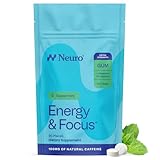
Neuro Energy & Focus Gum, Extra Strength - 100mg Natural Caffeine Gum & Nootropic Energy Supplement with L-Theanine & B Vitamins - Sugar Free, Vegan - Spearmint, 90ct
- Fast-Acting Nootropic - Our energy supplements deliver an extra boost of energy and clarity with a blend of natural caffeine, L-theanine, and vitamin b6 & b12. Your go-to chewing gum for work, exercise, and daily focus!
- Clean Energy - Each piece of our sugar free gum delivers 100mg of natural caffeine from green coffee beans for a smooth energy boost without crashes or jitters.
- The Perfect Balance - With 60mg of L-theanine per piece, our energy and focus formula promotes enhanced focus and stress reduction to smooth energy boosts.
- How to Use - Chew one piece of the caffeine gum whenever focus or energy is lacking. Ideal for mornings, pre-workout, or afternoon slumps. Effects typically kick in within minutes thanks to optimal absorption through the mouth.
- Made by Neuro, Backed by Science - At Neuro, we combine neuroscience with clean, science backed ingredients to help you do more, think better, and feel your best every single day.
What affects the result
- Caffeine Content: The amount of caffeine in a cup of coffee varies significantly by bean type, roast level, and brewing method. Stronger brews or larger servings generally contain more caffeine.
- Individual Sensitivity: People metabolize caffeine at different rates due to genetic factors. Some are highly sensitive, experiencing noticeable effects, while others are not.
- Regular Consumption (Tolerance): Those who drink coffee regularly often develop a tolerance to caffeine’s effects, meaning the impact on blood pressure may be less pronounced or absent.
- Amount Consumed: Drinking one cup of coffee may have a different effect than drinking several cups in a short period.
- Preparation Method: Espresso, drip coffee, cold brew, and instant coffee can all have different caffeine levels and extraction rates, potentially influencing blood pressure response.
- Additives: Cream, sugar, or artificial sweeteners can indirectly affect blood pressure through other physiological pathways or by influencing overall diet.
- Time of Day: Blood pressure naturally fluctuates throughout the day. Coffee consumed during periods of naturally higher blood pressure might show a different response.
- Pre-existing Health Conditions: Individuals with existing hypertension or other cardiovascular issues may be more susceptible to caffeine’s effects.
- Medications: Certain medications can interact with caffeine, potentially altering its impact on blood pressure.
- Hydration Levels: Dehydration can sometimes contribute to higher blood pressure, and its interaction with caffeine is a factor.
- Stress Levels: High stress can already elevate blood pressure, and consuming caffeine during stressful periods might exacerbate this.
- Genetics: Genetic variations play a significant role in how quickly your body processes caffeine and how your body responds to its effects.
Pros, cons, and when it matters
- Pro: Temporary Alertness and Focus: Coffee’s stimulant effect can improve cognitive function and alertness, which is beneficial for many tasks.
- Con: Temporary Blood Pressure Spike: For sensitive individuals, this spike can be a concern, especially if they already have high blood pressure.
- Pro: Antioxidant Properties: Coffee is rich in antioxidants, which are linked to various health benefits, though not directly related to blood pressure.
- Con: Potential for Anxiety or Jitters: High caffeine intake can lead to feelings of anxiety, nervousness, and jitters, which can be unpleasant.
- Pro: Social and Ritualistic Enjoyment: Coffee plays a significant role in social gatherings and daily routines for many people.
- Con: Sleep Disruption: Consuming coffee, especially later in the day, can interfere with sleep patterns, which is detrimental to overall health, including blood pressure management.
- Pro: Improved Physical Performance: Caffeine is known to enhance athletic performance for some individuals.
- Con: Withdrawal Symptoms: If you regularly consume coffee and stop abruptly, you might experience headaches, fatigue, and irritability.
- When it matters: For individuals with uncontrolled hypertension, caffeine’s temporary blood pressure elevation might be a concern, and moderation or avoidance may be recommended by their doctor.
- When it matters: For those undergoing medical procedures where blood pressure needs to be stable, it might be advised to avoid coffee beforehand.
- When it matters: For individuals who experience significant discomfort (jitters, anxiety, heart palpitations) after drinking coffee, it’s a clear signal to reduce intake.
- When it matters: For the general population without diagnosed hypertension or sensitivity, moderate coffee consumption is typically not associated with long-term blood pressure problems.
Common misconceptions
- Misconception: Coffee always causes chronic high blood pressure. The scientific consensus is that regular, moderate coffee consumption is not a significant cause of long-term hypertension for most people.
- Misconception: Decaf coffee has zero effect on blood pressure. Decaffeinated coffee still contains small amounts of caffeine, and other compounds in coffee might have minor effects, though significantly less than regular coffee.
- Misconception: Everyone’s blood pressure reacts the same way to coffee. Individual genetics, tolerance, and overall health status lead to widely different responses.
- Misconception: Coffee is inherently unhealthy because it raises blood pressure. For many, the temporary rise is minor and temporary, and the overall health profile of coffee is complex and often viewed positively.
- Misconception: If you have high blood pressure, you must stop drinking coffee entirely. Many people with hypertension can still enjoy coffee in moderation after consulting their doctor.
- Misconception: The “crash” after coffee is due to blood pressure dropping. The energy dip is more related to caffeine wearing off and the body returning to normal adenosine levels.
- Misconception: Cold brew coffee has less caffeine and therefore less impact. Cold brew can sometimes have higher caffeine concentrations due to the coffee-to-water ratio and brewing time, though it can also be smoother.
- Misconception: Black coffee is the only way to drink it; adding milk or sugar changes its effect on blood pressure. While additives don’t directly change caffeine’s mechanism on blood pressure, they contribute to overall dietary intake, which can indirectly influence health.
- Misconception: If coffee doesn’t make you feel jittery, it’s not affecting your blood pressure. Blood pressure changes can occur without noticeable physical symptoms for some individuals.
If you’re concerned about caffeine’s impact, decaffeinated coffee is a great alternative, though it still contains trace amounts of caffeine.
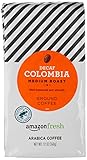
Amazon Fresh Decaf Colombia Ground Coffee, Medium Roast, 12 Ounce
- Balanced, full-bodied medium roast with a smooth finish
- One 12-ounce bag of ground coffee
- Decaffeinated
- 100% Arabica coffee grown in Colombia
- Roasted and packed in the U.S.A.
FAQ
- Can coffee cause high blood pressure? For some individuals, caffeine can cause a temporary, modest increase in blood pressure. However, long-term, regular consumption is not generally linked to chronic hypertension for most people.
- How long does coffee affect blood pressure? The effect is usually temporary, lasting for a few hours after consumption, as the caffeine is metabolized and leaves your system.
- Should people with high blood pressure avoid coffee? Not necessarily. Many people with hypertension can still enjoy coffee in moderation. It’s best to discuss your individual situation with your doctor.
- Does decaf coffee affect blood pressure? Decaffeinated coffee has significantly less caffeine, so its impact on blood pressure is minimal compared to regular coffee.
- How much coffee is too much for blood pressure? There’s no single answer, as it depends on individual sensitivity and tolerance. Generally, moderate consumption (e.g., up to 400 mg of caffeine per day, about 4 cups of brewed coffee) is considered safe for most healthy adults.
- What are the symptoms of coffee affecting my blood pressure? Symptoms can include a racing heart, jitters, anxiety, or headaches. However, some people experience no noticeable symptoms even if their blood pressure rises slightly.
- Can coffee interact with blood pressure medication? Caffeine can potentially interact with some medications. It’s crucial to inform your doctor about your coffee consumption, especially if you are on medication.
- Does the type of coffee matter for blood pressure? Yes, the caffeine content varies greatly between different brewing methods and bean types. Espresso, for example, is concentrated but served in smaller amounts, while a large drip coffee might contain more total caffeine.
What this page does NOT cover (and where to go next)
- Specific medical advice for managing hypertension. Consult your healthcare provider for personalized treatment plans.
- Detailed nutritional information about coffee beyond caffeine content. For dietary advice, consider consulting a registered dietitian.
- The impact of other stimulants or beverages on blood pressure. Explore resources on general cardiovascular health.
- The full range of coffee preparation techniques and their precise chemical compositions. Research coffee brewing science if interested.