
How Coffee Beans Affect Earthworm Activity
Quick answer
- Coffee beans, particularly their spent grounds, can influence earthworm activity in soil.
- The caffeine in coffee can act as a mild stimulant to earthworms, potentially increasing their movement.
- However, excessive amounts of coffee grounds can negatively impact soil pH and introduce tannins, which may harm worms.
- Spent coffee grounds can also improve soil aeration and drainage, indirectly benefiting worms.
- The overall effect depends heavily on the quantity of coffee grounds used and the specific soil conditions.
- For composting, a balanced mix is key; pure coffee grounds are not ideal for earthworm health.
Key terms and definitions
- Earthworms: Invertebrates that play a vital role in soil aeration and nutrient cycling.
- Caffeine: A stimulant found in coffee beans that can affect the nervous system of insects and other small organisms.
- Spent Coffee Grounds (SCG): Coffee grounds remaining after brewing coffee.
- Soil pH: A measure of the acidity or alkalinity of soil, crucial for plant and soil organism health.
- Tannins: Bitter-tasting compounds found in coffee that can be toxic in high concentrations.
- Composting: A process of organic decomposition that creates nutrient-rich soil amendment.
- Aeration: The process of introducing air into soil, improving its structure and the ability of roots to breathe.
- Nutrient Cycling: The movement and exchange of organic and inorganic matter back into the production of living matter.
- Mycorrhizal Fungi: Beneficial fungi that form symbiotic relationships with plant roots, enhancing nutrient uptake.
- Organic Matter: Decomposed or partially decomposed plant or animal material, essential for soil health.
How it works
- Earthworms consume organic matter, including soil particles and decaying plant material.
- When coffee grounds are introduced to their environment, they become a potential food source.
- The caffeine present in the coffee grounds can be absorbed by the earthworms.
- This absorbed caffeine acts as a stimulant, affecting the earthworms’ nervous systems.
- The stimulation can lead to increased muscle activity and movement in earthworms.
- As earthworms move through the soil, they create channels that improve aeration.
- Their digestive process breaks down organic matter, enriching the soil with castings.
- Spent coffee grounds themselves can alter soil structure, potentially making it easier for worms to tunnel.
- The presence of beneficial microbes that colonize the coffee grounds can also attract earthworms.
- However, the acidity and tannins in large amounts of coffee can deter or harm earthworms.
What affects the result
- Quantity of Coffee Grounds: A small amount may stimulate, while a large amount can be detrimental.
- Caffeine Content: While generally low in spent grounds, it’s the primary stimulant.
- Soil pH: Coffee grounds can lower pH; earthworms prefer a neutral to slightly acidic environment.
- Tannin Levels: High concentrations of tannins in coffee can be toxic to earthworms.
- Presence of Other Organic Matter: Earthworms need a diverse diet; coffee grounds should be part of a mix.
- Moisture Content of Soil: Earthworms require moist conditions; coffee grounds can affect water retention.
- Temperature: Earthworms are sensitive to temperature extremes, and soil amendments can influence this.
- Aeration of Soil: Well-aerated soil is crucial for earthworm respiration and movement.
- Microbial Activity: The breakdown of coffee grounds by microbes can create a more attractive environment.
- Type of Coffee Beans: While less significant in spent grounds, origin and roast can subtly influence chemical composition.
- Brewing Method: How coffee is brewed can affect the residual compounds left in the grounds.
- Earthworm Species: Different species may have varying tolerances and preferences for their environment.
Pros, cons, and when it matters
- Pro: Increased Soil Aeration: Earthworm activity, potentially boosted by coffee grounds, improves soil structure. This is beneficial for drainage and root growth.
- Con: Potential for Acidity: Large amounts of coffee grounds can make soil too acidic, harming earthworms and plants. This matters in gardens where pH balance is critical.
- Pro: Nutrient Addition: Spent coffee grounds add nitrogen and other micronutrients to the soil. This is valuable for gardeners seeking to enrich their soil naturally.
- Con: Caffeine Toxicity: Excessive caffeine can be harmful or even lethal to earthworms. This is a concern if coffee grounds are applied too heavily.
- Pro: Improved Drainage: Coffee grounds can help break up compacted soil, improving water infiltration. This is important in clay-heavy soils.
- Con: Tannin Issues: High tannin levels can inhibit earthworm growth and reproduction. This is relevant when using fresh, uncomposted coffee grounds.
- Pro: Attracts Beneficial Microbes: Coffee grounds can support a diverse microbial community that aids in decomposition. This supports a healthy soil ecosystem.
- Con: May Deter Some Organisms: While stimulating some worms, high concentrations might repel others or beneficial insects. This is a consideration for overall garden biodiversity.
- Pro: Composting Aid: When balanced with other materials, coffee grounds are an excellent addition to compost. They heat up the pile and add nitrogen.
- Con: Not a Standalone Food Source: Earthworms need a varied diet. Relying solely on coffee grounds is insufficient for their long-term health.
- Pro: Soil Moisture Retention: Coffee grounds can help soil retain moisture, which is beneficial during dry periods.
- Con: Potential for Mold Growth: In damp, uncomposted conditions, coffee grounds can sometimes develop mold, which isn’t ideal.
For gardeners looking to enrich their soil naturally, spent coffee grounds can be a valuable addition, providing nitrogen and other micronutrients. Consider using a quality soil amendment to further boost your garden’s health.
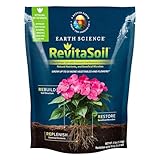
- Premium Soil Revitalizer: Rebuilds depleted soils with premium earthworm castings (worm castings), natural nutrients, and soil-friendly biology
- Boosts Plant Growth: Proven to grow up to 3X more vegetables and flowers with an exclusive patent-pending formula
- Restores Soil Health: One application helps repair structural damage and re-energizes your soil to give you bigger harvests, more flowers, and thriving plants
- Coverage & Convenience: Each 4lb bag revitalizes up to 16 sq ft of soil in gardens, landscapes, and pots and up to 8 sq ft of soil in raised beds. Revitalize your existing soil instead of purchasing large, heavy bags of new potting and garden soils
- Natural & Eco-Friendly: Sustainably made and packed full of natural nutrition without any harmful chemicals or pesticides. RevitaSoil is an all-natural solution for gardeners looking to improve soil health, boost growth, and protect the environment.
Common misconceptions
- Misconception: Coffee beans make worms “faster” in a beneficial way.
- Reality: Caffeine is a stimulant, but excessive amounts can stress or harm worms, not necessarily lead to sustained, beneficial speed.
- Misconception: All coffee grounds are good for earthworms.
- Reality: While beneficial in moderation and when composted, large quantities of uncomposted grounds can be harmful due to acidity and tannins.
- Misconception: Coffee grounds are a complete food for earthworms.
- Reality: Earthworms require a diverse range of organic matter for a balanced diet. Coffee grounds are a supplement, not a sole food source.
- Misconception: Coffee grounds will kill all worms.
- Reality: Small to moderate amounts, especially when composted, are generally safe and can even be beneficial. Lethality comes from extreme overuse.
- Misconception: The caffeine is the only factor influencing worms.
- Reality: Acidity, tannins, and the physical structure of the grounds also play significant roles in how earthworms interact with them.
- Misconception: Coffee grounds automatically improve soil.
- Reality: Their impact depends on the soil type, the quantity used, and whether they are composted first.
- Misconception: Worms actively seek out coffee grounds.
- Reality: Worms are attracted to decaying organic matter. Coffee grounds become attractive as they begin to break down and blend with other materials.
- Misconception: The type of coffee bean makes a big difference for worms.
- Reality: In spent grounds, the differences between bean types are usually too minor to have a significant, noticeable impact on earthworm behavior.
FAQ
- Q: Can I put coffee grounds directly on my garden for worms?
A: Yes, but in moderation. A thin layer mixed into the topsoil is generally best. Too much can affect soil pH and harm worms.
- Q: How much coffee grounds are too much for earthworms?
A: There’s no exact number, but if the soil smells strongly of coffee or appears saturated with grounds, it’s likely too much. Aim for a ratio that’s part of a balanced mix.
- Q: Are spent coffee grounds better than fresh coffee beans for worms?
A: Yes. Spent grounds have less caffeine and fewer of the harsher compounds than whole beans. They are also easier to break down.
- Q: Will coffee grounds make my worm bin smell bad?
A: Not usually, if managed correctly. A good balance of “greens” (like coffee grounds) and “browns” (like shredded paper) prevents odors.
- Q: Do earthworms like the taste of coffee grounds?
A: Earthworms don’t “taste” in the way we do. They are attracted to decaying organic matter. As coffee grounds break down, they become a food source.
- Q: Can the caffeine in coffee grounds harm beneficial soil microbes?
A: In very high concentrations, it’s possible. However, moderate amounts of spent coffee grounds often support a diverse microbial community.
- Q: Should I compost coffee grounds before adding them to my garden?
A: Composting is ideal. It neutralizes some of the acidity and tannins, making them more beneficial and safer for earthworms and plants.
- Q: Do coffee grounds help earthworms reproduce?
A: Indirectly, perhaps. By improving soil structure and adding nutrients, they create a better environment for worms to thrive and reproduce, but they aren’t a direct reproductive stimulant.
What this page does NOT cover (and where to go next)
- Specific chemical analyses of caffeine or tannin levels in various coffee grounds.
- Detailed studies on the impact of coffee on specific earthworm species in laboratory settings.
- Recommendations for commercial worm farms or large-scale agricultural applications of coffee grounds.
- Detailed instructions on building a worm bin or advanced composting techniques.
- The effects of other coffee byproducts (e.g., coffee cherry pulp) on soil organisms.