
Unique DIY: Crafting a Coffin-Shaped Coffee Table
Quick answer
- Sketch out your coffin design. Think about dimensions.
- Choose your lumber. Pine’s easy, hardwood’s durable.
- Cut your pieces. Accuracy matters here.
- Assemble the box. Glue and screws are your friends.
- Add the lid. Hinges or a simple lift-off works.
- Sand and finish. Make it smooth and protected.
- Personalize it. Paint, stain, or add details.
Who this is for
- DIY enthusiasts looking for a unique statement piece.
- Homeowners with a darker aesthetic or a love for gothic decor.
- Anyone who wants a functional coffee table with a bit of personality.
What to check first
Design and Dimensions
Got a clear idea of what you want? Measure your space. A coffin table can be surprisingly large. Think about height too. You don’t want it too low or too high for your couch.
Materials
What kind of wood are you using? Pine is forgiving and cheap. Hardwoods like oak or walnut are tougher but pricier. Plywood can work for the top and bottom. Don’t forget screws, glue, and finishing supplies.
Tools
Got the basics? A saw, drill, measuring tape, and sandpaper are essential. Clamps are a lifesaver for holding things together while the glue dries. Safety gear is non-negotiable.
Step-by-step (brew workflow)
1. Sketch Your Design
What to do: Draw it out. Front view, side view. Note the angles for the “head” and “foot” of the coffin.
What “good” looks like: A clear plan with measurements. You should be able to visualize the final piece.
Common mistake: Winging it. This leads to wonky angles and frustration.
2. Gather Your Materials
What to do: Head to the lumberyard or home improvement store. Get your chosen wood, screws, wood glue, and sandpaper.
What “good” looks like: All your supplies are ready to go. No last-minute trips.
Common mistake: Buying the wrong type or amount of wood. Double-check your cut list.
3. Cut Your Pieces
What to do: Measure twice, cut once. Use your sketch to mark out all the pieces for the sides, ends, and lid.
What “good” looks like: Clean, straight cuts at the correct angles. All pieces should fit together.
Common mistake: Rushing the cuts. This results in gaps and a weak structure.
4. Assemble the Base Box
What to do: Start with the four sides. Apply wood glue to the edges and join them. Use screws for extra strength. Clamps will hold it tight while the glue sets.
What “good” looks like: A solid, square (or coffin-shaped!) box with no visible gaps at the seams.
Common mistake: Not using enough glue or screws. This makes for a flimsy table.
For strong, lasting joints, consider a high-quality wood glue. It’s essential for ensuring your coffin table holds together securely.
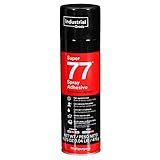
- VERSATILE ADHESIVE: Bonds a wide range of lightweight materials (i.e., paper, cardboard fabric, insulation, plastic, metal, wood, felt, fiberglass, foam, leather, and more)
- INDUSTRIAL GRADE: Provides professional, industrial strength for demanding applications
- AGGRESSIVE TACK: Offers a fast, aggressive tack for a quick bond that reduces set time
- BOND TIME: Allows for a bond time of 15 seconds to 30 minutes
- REPOSITIONABLE: Initially repositionable while providing long lasting strength; Helps to create soft, non dimpling glue lines
5. Attach the Bottom Panel
What to do: Once the side box is solid, attach the bottom panel. Glue and screws again.
What “good” looks like: The bottom is flush with the sides and securely fastened.
Common mistake: Forgetting to attach the bottom before it’s too late.
6. Prepare the Lid
What to do: This might be a solid piece or constructed similarly to the base. If it’s a separate piece, make sure it fits perfectly over the base.
What “good” looks like: The lid sits flush or slightly overhangs the base, creating a clean look.
Common mistake: Making the lid too small or too large.
7. Add Hinges (Optional)
What to do: If you want a hinged lid, attach your chosen hinges. Position them carefully so the lid opens and closes smoothly.
What “good” looks like: Hinges are securely attached and allow the lid to open without binding.
Common mistake: Placing hinges unevenly, causing the lid to sag.
8. Sand Everything Smooth
What to do: This is crucial for a professional finish. Start with a coarser grit sandpaper and work your way to finer grits.
What “good” looks like: The entire table is silky smooth to the touch, with no rough spots or splinters.
Common mistake: Skipping this step. A rough table just looks unfinished.
Achieve a professional, smooth finish by using a comprehensive sandpaper set. Starting with coarser grits and moving to finer ones will make a significant difference.

- Sandpaper Assortment Pack:9 x 3.6 inch pre-cut sheets (120/150/180/220/320/400/600/800/1000/1200/1500/2000/3000/5000:3 sheets of each) for woodworking, car repairs & metal restoration
- Wide Range of Usage: 120-220 grit is used for heavy material removal; 240-400 grit is ideal for intermediate sanding between finishes and smoothing hard surfaces; 600-1000 grit is used for ultra-smooth finishes before painting/coating; 1200-1500 grit is used for fine sand between lacquer coats. 2000-5000 grit is used for achieving a glass-smooth finish prior to polishing
- Wet & Dry Dual Use: Premium silicon carbide abrasive-Designed for wet sanding(auto bodies/glass)or dry applications(wood/drywall/metal). Stays durable in both conditions for professional-grade results
- Premium Silicon Carbide: BMOTL sandpaper is built with silicon carbide abrasive particles firmly bonded to a tear-resistant latex paper, which increases productivity and reduces material consumption in various DIY/craft projects
- What You Get: 42 pcs 9 x 3.6 inch variety sander sheets. These sandpaper sheets deliver exceptional durability and performance. Whether you need coarse grits for heavy-duty tasks or ultra-fine grits for a smooth, polished finish, this variety pack has it all
9. Apply Finish
What to do: Stain, paint, or seal your table. Follow the product instructions. Multiple thin coats are better than one thick one.
What “good” looks like: An even, durable finish that protects the wood and enhances its look.
Common mistake: Applying finish in a dusty environment. You’ll get specks in your finish.
To enhance the natural beauty of your wood or achieve a specific aesthetic, a good quality wood stain can transform your coffee table. Choose a shade that complements your decor.

- EFFECTIVE ON ALL WOOD SURFACES and QUICK DRYING: Furniture Clinic Wood Stain is a fast drying and highly concentrated wood stain making it effective on all indoor and outdoor wood surfaces. Our wood stain provides excellent coverage and ensures even color penetration. It's water based, environmentally friendly, and dries to a natural matte finish in only 10 minutes.
- COMES IN 12 COLORS - VISIBLE WITH ONE COAT: Our wood stain comes in 12 colors ranging from dark to light and can be purchased in multiple sizes. It evenly covers and stains wood in one coat, restoring old and tired wood with a new finish.
- COVERAGE: Available in three sizes to suit your needs, our 250ml bottle covers 3m², our 500ml bottle covers 6m², and our 2500ml (or 1 gallon) bottle covers 30m², making it easy to choose the right amount for your project.
- WATER BASED and SAFE TO USE: The water based formula of our stain is safer for your wood and the environment than other wood stains. It's low odor, non-toxic, easy to use, and easy to clean up! Ideal for use on all interior wood projects: furniture, cabinets, doors, trim, floors and more.
- USE IN COMBINATION WITH: After staining wood, you should finish the job by sealing the stain in with one of our Furniture Clinic Wood Waxes, Wood Varnishes or Wood Oils. These will bring out the color of the stain further, provide additional protection and can be used to alter the finish to either satin or gloss.
10. Add Details (Optional)
What to do: This is where you can really make it yours. Add decorative trim, metal accents, or even felt lining inside.
What “good” looks like: Any added details complement the coffin shape and your overall style.
Common mistake: Overdoing the decoration. Sometimes less is more.
Common mistakes (and what happens if you ignore them)
| Mistake | What it causes | Fix |
|---|---|---|
| Inaccurate measurements | Uneven joints, gaps, wobbly structure | Double-check all measurements before cutting. Use a good measuring tape and marking tool. |
| Rushing cuts | Poorly fitting pieces, weak joints, unprofessional look | Take your time with cuts. Ensure your saw blade is sharp and your guide is steady. |
| Not enough wood glue | Weak joints, potential for the table to fall apart | Apply a generous, even coat of wood glue to all joining surfaces. Wipe away excess. |
| Insufficient screws or fasteners | Loose joints, structural instability | Use screws or nails in addition to glue for critical structural points. |
| Skipping sanding | Rough surfaces, splinters, poor finish adhesion | Sand thoroughly with progressively finer grits until the surface is smooth. |
| Uneven finishing | Streaky or blotchy appearance, inconsistent protection | Apply finish in thin, even coats. Work with the wood grain. |
| Poorly fitted lid | Lid doesn’t close properly, looks awkward | Carefully measure and cut the lid to fit snugly. Adjust hinges if necessary. |
| Forgetting to account for wood thickness | Pieces won’t fit together as planned | Always factor in the thickness of your wood when calculating dimensions. |
| Not pre-drilling screw holes | Wood splitting, especially near edges | Always pre-drill pilot holes slightly smaller than your screw diameter. |
| Ignoring safety gear | Injuries from tools or materials | Always wear safety glasses, gloves, and appropriate respiratory protection. |
Decision rules (simple if/then)
- If you’re new to woodworking, then use pine for your lumber because it’s easier to cut and forgiving of mistakes.
- If you want a very durable table, then opt for a hardwood like oak or maple because they resist dents and scratches better.
- If your design has complex angles, then consider using a miter saw or a protractor to ensure accuracy because precise angles are key to a good coffin shape.
- If you’re planning on painting the table, then choose a smooth, knot-free wood like poplar or even MDF because they provide a better surface for paint.
- If you want a truly unique look, then experiment with different stains or even decoupage for the top because these add personal flair.
- If you’re concerned about stability, then use pocket hole joinery for assembly because it creates strong, hidden joints.
- If you plan to put heavy items on the table, then reinforce the lid and bottom with thicker material or additional bracing because this prevents sagging.
- If you’re working in a humid environment, then ensure your wood is properly dried and consider using a moisture-resistant finish because this prevents warping.
- If you want a seamless look, then use wood filler to hide screw holes and gaps before sanding and finishing because this creates a polished appearance.
- If you’re on a tight budget, then look for scrap wood or reclaimed lumber because this can significantly reduce material costs.
FAQ
How big should a coffin coffee table be?
There’s no strict rule, but consider your living room size. A common size might be around 40-48 inches long and 20-24 inches wide, with a height of 16-18 inches. Measure your existing furniture for scale.
What kind of wood is best for this project?
Pine is a great choice for beginners due to its affordability and ease of working. For a more durable and higher-end look, consider hardwoods like oak, maple, or cherry. Plywood can be used for the top and bottom panels.
Do I need special tools for the angles?
A standard miter saw or a hand saw with a miter box can handle most angles. If your design is particularly complex, a digital angle finder can help ensure precision.
How do I make the lid open smoothly?
Use good quality hinges. For a lift-off lid, ensure it’s well-balanced and fits snugly but not too tightly. For a hinged lid, proper placement and alignment are key.
What if I make a mistake?
Most mistakes can be fixed! Wood filler can cover gaps or screw holes. Sanding can correct minor surface imperfections. For bigger issues, you might need to re-cut a piece. Don’t get discouraged.
Can I add storage inside?
Absolutely. You can build internal dividers or shelves within the coffin shape. Just make sure they don’t interfere with the lid closing properly.
How do I protect the finish?
Use a good quality polyurethane, varnish, or lacquer. Apply multiple thin coats for maximum durability. For a more natural look, a hard wax oil can also work well.
What’s the easiest way to get a sharp point on the ends?
Accurate angle cuts are the most important part. Ensure your saw is set precisely to the desired angle and use a fence or guide for consistent cuts.
What this page does NOT cover (and where to go next)
- Advanced joinery techniques like dovetails or mortise and tenon. (Look for woodworking joinery guides.)
- Detailed electrical wiring for integrated lighting. (Consult an electrician or DIY lighting resources.)
- Professional upholstery or fabric lining techniques. (Explore upholstery tutorials.)
- Specific paint or stain color recommendations. (Visit paint stores or design blogs for inspiration.)
- Large-scale commercial production methods. (Research furniture manufacturing processes.)