
Authentic Cuban Colada Coffee: A Step-by-Step Recipe
Quick Answer
- Use a moka pot for that classic Cuban espresso-style brew.
- Fine grind is key, almost like powdered sugar.
- Whip the first few drops of coffee with sugar for a sweet foam.
- Dilute with hot water to taste, but start with a 1:1 ratio.
- Serve immediately in small demitasse cups.
- It’s meant to be shared, so grab some friends.
Who This Is For
- Anyone craving a strong, sweet, and potent coffee experience.
- Folks looking to replicate that authentic taste of Cuban coffee at home.
- Adventurous coffee drinkers who want to explore beyond their usual drip or pour-over.
What to Check First
Brewer Type and Filter Type
You’re going for that rich, concentrated brew, so a moka pot is the go-to. It’s basically a stovetop espresso maker. No paper filters needed here; the metal filter basket does the work. Make sure your moka pot is clean and assembled correctly. A loose seal can mess with the pressure.
Water Quality and Temperature
Use filtered water. Tap water can have off-flavors that sneak into your coffee. You want the water in the lower chamber to be hot, but not boiling, when you start. Some folks even pre-heat it in a kettle. This helps get the brew going faster and more evenly.
Grind Size and Coffee Freshness
This is crucial for colada. You need a super fine grind, almost like flour or powdered sugar. If it’s too coarse, the water will rush through, and you won’t get that intense flavor. Freshly roasted beans, ground right before brewing, make a huge difference. Stale coffee tastes flat, no matter how you make it.
For the most authentic taste, consider using high-quality Cuban coffee beans. Freshly roasted beans, ground right before brewing, make a huge difference.
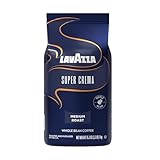
- SUPER CREMA: A 2.2 lb whole bean coffee bag ideal for espresso preparation
- INTENSITY AND ROAST: This full-bodied medium roast offers a bold and creamy finish
- BLEND: Made from Arabica and Robusta beans, this naturally caffeinated blend is sourced from 15 coffee-growing countries around the world
- PREPARATION: Ideal for espresso preparation.
- BREWING GUIDE FOR SINGLE ESPRESSO: 0.28 oz of ground espresso delivers a 1 oz espresso shot
Coffee-to-Water Ratio
For a standard colada, you’re generally looking at a 1:1 ratio of ground coffee to water in the moka pot’s lower chamber. So, if your chamber holds 6 oz of water, use about 6 oz of coffee grounds. It sounds like a lot of coffee, but that’s how you get the strength.
Cleanliness/Descale Status
A dirty moka pot is the enemy of good coffee. Old coffee oils build up and turn rancid, making your brew taste bitter or just plain off. Give it a good rinse after every use. Periodically, you’ll want to descale it to remove mineral buildup, especially if you have hard water. Check your moka pot’s manual for specific cleaning instructions.
Step-by-Step (Brew Workflow)
1. Fill the base with hot water. Pour hot, filtered water into the bottom chamber, just below the safety valve.
- Good looks like: Water level is below the valve.
- Common mistake: Overfilling the chamber, which can cause leaks or affect pressure. Don’t go above the valve.
2. Insert the filter basket. Place the metal filter basket into the base.
- Good looks like: The basket sits snugly in place.
- Common mistake: Not seating the basket properly, leading to grounds getting into the brewed coffee.
3. Add the coffee grounds. Fill the filter basket with finely ground coffee. Level it off, but don’t tamp it down.
- Good looks like: A full, leveled basket of grounds.
- Common mistake: Tamping the coffee. This is not espresso; tamping restricts water flow and can build up too much pressure. Just level it.
4. Screw on the top chamber. Carefully screw the top chamber onto the base. Make sure it’s tight.
- Good looks like: A secure, tight seal.
- Common mistake: Not tightening it enough, which will cause steam and coffee to leak out the sides. Ouch.
5. Heat on the stove. Place the moka pot on medium heat. Keep the lid open for now.
- Good looks like: Gentle heating, not a roaring flame.
- Common mistake: Using high heat. This can scorch the coffee and make the process too fast and uneven. Low and slow is better.
6. Watch for the brew. Coffee will start to bubble up into the top chamber.
- Good looks like: A steady, honey-like stream of coffee.
- Common mistake: Letting it sputter violently. This indicates it’s getting too hot and can create bitter flavors.
7. Whip the first drops with sugar. As soon as the first few drops of dark coffee appear, catch them in a small bowl or cup. Add about a teaspoon of sugar. Whisk vigorously. This creates a thick, frothy foam called espumita.
- Good looks like: A light, airy foam.
- Common mistake: Not doing this step, or not whisking enough. The espumita is a signature part of colada.
8. Continue brewing. Once you’ve captured the espumita ingredients, let the moka pot finish brewing. Remove from heat when the stream turns lighter and starts to gurgle.
- Good looks like: A dark, rich liquid flowing steadily.
- Common mistake: Letting it boil dry or brew too long. This will make it bitter.
9. Pour into serving cups. Pour the brewed coffee into small demitasse cups.
- Good looks like: Filling the cups with dark, strong coffee.
- Common mistake: Using too large a cup. Colada is meant to be sipped and savored in small amounts.
10. Add hot water to taste. Typically, you’ll add a little hot water to dilute the intensity. Start with a 1:1 ratio of coffee to water.
- Good looks like: A blend that’s strong but drinkable.
- Common mistake: Adding too much water, which dilutes the flavor too much. Adjust to your preference.
11. Top with espumita. Spoon a bit of the whipped foam on top of each cup.
- Good looks like: A dollop of sweet foam crowning the coffee.
- Common mistake: Skipping the foam. It adds a unique texture and sweetness.
12. Serve immediately. Colada is best enjoyed hot and shared right away.
- Good looks like: Everyone getting a cup and enjoying the moment.
- Common mistake: Letting it sit. The flavor and foam degrade quickly.
Common Mistakes (and What Happens If You Ignore Them)
| Mistake | What It Causes | Fix |
|---|---|---|
| Using too coarse a grind | Weak, watery coffee; under-extraction | Use a very fine grind, like powdered sugar. |
| Tamping the coffee grounds | Restricted water flow, low pressure, bitter taste | Level grounds gently, do not press down. |
| Overfilling the water base | Leaks, inconsistent pressure, burnt taste | Fill water just below the safety valve. |
| Using too high heat | Scorched coffee, bitter taste, sputtering brew | Brew on medium-low heat. |
| Letting the moka pot boil dry | Extremely bitter, burnt coffee | Remove from heat as soon as the coffee stream turns light and starts to gurgle. |
| Not cleaning the moka pot regularly | Rancid oils, off-flavors, bitter coffee | Rinse thoroughly after each use; descale periodically. |
| Skipping the <em>espumita</em> (sweet foam) | Lacks authentic texture and sweetness | Whip the first few drops of coffee with sugar until foamy. |
| Using stale coffee beans | Flat, dull flavor; lack of aroma | Use freshly roasted beans and grind them just before brewing. |
| Using hard or chlorinated tap water | Off-flavors, mineral buildup in the brewer | Use filtered or bottled water. |
| Not screwing the top chamber on tightly | Steam and coffee leaks, inconsistent brew | Ensure a tight seal before heating. |
| Over-diluting with water | Weak, flavorless coffee | Start with a 1:1 ratio of coffee to water and adjust to your preference. |
Decision Rules
- If your coffee tastes bitter, then you likely brewed too hot or too long, because excessive heat scorches the grounds.
- If your coffee is weak, then your grind is too coarse or you didn’t use enough coffee, because the water passed through too quickly.
- If you see water leaking from the sides, then the top chamber isn’t screwed on tight enough, because the seal is compromised.
- If your moka pot is sputtering violently, then the heat is too high, because the water is boiling too rapidly.
- If your coffee tastes “off” or stale, then your beans are old or your brewer is dirty, because freshness and cleanliness are paramount.
- If you want that signature Cuban coffee texture, then you must make the espumita, because it’s a key characteristic of colada.
- If your coffee tastes metallic, then your moka pot might be old or made of lower-quality aluminum, because the metal can leach into the brew.
- If you’re unsure about the water temperature, then start with hot water from a kettle, because it helps achieve a more consistent brew temperature.
- If you want a less intense drink, then add more hot water after brewing, because dilution is the easiest way to control strength.
- If your grounds are getting into the final cup, then check your filter basket and ensure it’s seated correctly, because a poor fit allows fines through.
FAQ
What exactly is Cuban colada coffee?
It’s a small, intensely strong, sweet coffee brewed using a moka pot. It’s designed to be shared among several people, typically served in small demitasse cups.
Can I use a regular coffee maker?
No, a standard drip coffee maker won’t produce the concentrated espresso-style brew needed for colada. A moka pot is essential for this recipe.
How much sugar should I use?
For the espumita, start with about a teaspoon of sugar per shot of coffee. You can add more sugar to the diluted coffee in your cup to taste, but traditional colada is quite sweet.
Is it okay to tamp the coffee grounds in the moka pot?
Definitely not. Tamping is for espresso machines. For a moka pot, you should just level the grounds gently. Tamping will prevent proper water flow and can lead to a bitter brew or even dangerous pressure buildup.
My moka pot is sputtering a lot. What’s wrong?
You’re probably using too much heat. Turn it down to medium-low. You want a steady, controlled flow of coffee, not a violent eruption.
How long does it take to brew?
Brewing usually takes about 5-10 minutes on the stove, depending on your heat source and the size of your moka pot.
What does “dilute to taste” mean?
After brewing the strong coffee, you add hot water to make it more palatable. The amount of water is up to you, but a good starting point is a 1:1 ratio of brewed coffee to hot water.
Why is it called “colada”?
“Colada” means “strained” or “filtered” in Spanish. It refers to the straining action of the moka pot’s filter and the way the coffee is collected.
What This Page Does NOT Cover (And Where to Go Next)
- Making espresso with an electric espresso machine.
- Brewing large batches of coffee for a crowd using other methods.
- Detailed troubleshooting for specific moka pot brands or issues.
- The history of Cuban coffee culture beyond the colada itself.