
The Surprising Link Between Coffee and Sadness
Quick answer
- While moderate coffee consumption is often linked to improved mood, excessive intake can contribute to feelings of sadness, anxiety, and irritability.
- The stimulant effect of caffeine can disrupt sleep patterns, which is a significant factor in mood regulation.
- Dehydration, a potential side effect of high coffee consumption, can also negatively impact mood.
- Individual sensitivity to caffeine varies greatly, meaning what is “too much” differs from person to person.
- If you suspect your coffee habit is affecting your mood, consider gradually reducing your intake and observing the changes.
Key terms and definitions
- Caffeine: A natural stimulant found in coffee beans that affects the central nervous system, increasing alertness and reducing fatigue.
- Adenosine: A neurotransmitter that promotes relaxation and sleepiness; caffeine blocks its receptors.
- Cortisol: A stress hormone that caffeine can temporarily increase, potentially leading to anxiety.
- Serotonin: A neurotransmitter often called the “feel-good” chemical, which can be indirectly affected by caffeine’s impact on sleep and stress.
- Anxiety: A feeling of worry, nervousness, or unease, typically about an imminent event or something with an uncertain outcome.
- Irritability: The state of being easily annoyed or angered.
- Withdrawal Symptoms: Physical and mental effects experienced when reducing or stopping intake of a substance like caffeine.
- Mood: A temporary state of mind or feeling.
- Depression: A mood disorder characterized by persistent feelings of sadness and loss of interest.
- Sleep Hygiene: Practices that promote consistently good sleep.
How it works
- Caffeine acts as a stimulant by blocking adenosine receptors in the brain. Adenosine is a chemical that builds up throughout the day and signals fatigue.
- By blocking adenosine, caffeine increases the release of stimulating neurotransmitters like dopamine and norepinephrine. This leads to increased alertness and a temporary mood lift.
- However, this stimulation can also trigger the body’s stress response, leading to increased cortisol levels.
- Chronically elevated cortisol can contribute to feelings of anxiety and, in some individuals, can paradoxically lead to low mood over time.
- Caffeine can interfere with sleep quality and duration. Poor sleep is a well-established contributor to mood disturbances, including sadness and irritability.
- The diuretic effect of coffee can lead to dehydration if fluid intake is not adequately increased, and dehydration itself can negatively impact mood and cognitive function.
- Over time, the brain can become accustomed to high levels of caffeine, leading to a dependence. When caffeine intake is reduced or stopped, withdrawal symptoms can include fatigue, headaches, and a depressed mood.
- The impact on neurotransmitters is complex; while initial stimulation can improve mood, the subsequent disruption to natural sleep-wake cycles and stress hormone regulation can have the opposite effect.
Given that dehydration can negatively impact mood, especially when consuming coffee, staying hydrated is key. Hydration supplements can be a helpful way to ensure you’re getting enough fluids.

- FAST HYDRATION: Science-based electrolyte powder formula hydrates faster than water alone; useful to rehydrate on-the-go for athletes, sports, outdoor activities, travel, and hot days.
- ELECTROLYTE FORMULA: Delivers 3x electrolytes and half the sugar than leading sports drinks in a portable, easy-mix great tasting hydration powder.
- INGREDIENT-CONSCIOUS: Non-GMO, Gluten Free, Vegan, Soy-Free, Dairy-Free, and Kosher; includes potassium, magnesium, zinc, and vitamin C for added immune support, with natural colors from fruit and vegetable juices.
- SINGLE-SERVE CONVENIENCE: Includes 16 portable electrolyte packets that are easy to carry in a gym bag, backpack, purse, desk or pantry; a simple way to keep hydration packets on hand for daily use, workouts, commuting, and travel days.
- DELICIOUS FLAVOR: Men's Journal Fitness Award for the Best-Tasting Hydration Drink. Enjoy Watermelon, Berry, Lemon, and Orange flavors in one pouch. Mix 1 packet into 8 oz of water for on-the-go hydration.
If you’re looking to manage your caffeine intake or explore alternatives, consider caffeine supplements. These can offer a more controlled way to get a boost without the potential downsides of excessive coffee.
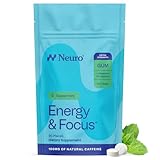
- Fast-Acting Nootropic - Our energy supplements deliver an extra boost of energy and clarity with a blend of natural caffeine, L-theanine, and vitamin b6 & b12. Your go-to chewing gum for work, exercise, and daily focus!
- Clean Energy - Each piece of our sugar free gum delivers 100mg of natural caffeine from green coffee beans for a smooth energy boost without crashes or jitters.
- The Perfect Balance - With 60mg of L-theanine per piece, our energy and focus formula promotes enhanced focus and stress reduction to smooth energy boosts.
- How to Use - Chew one piece of the caffeine gum whenever focus or energy is lacking. Ideal for mornings, pre-workout, or afternoon slumps. Effects typically kick in within minutes thanks to optimal absorption through the mouth.
- Made by Neuro, Backed by Science - At Neuro, we combine neuroscience with clean, science backed ingredients to help you do more, think better, and feel your best every single day.
What affects the result
- Caffeine Dosage: The total amount of caffeine consumed in a day is a primary factor. More caffeine generally increases the risk of negative mood effects.
- Individual Sensitivity: Genetic factors influence how quickly your body metabolizes caffeine and how sensitive your brain is to its effects.
- Timing of Consumption: Drinking coffee late in the day can significantly disrupt sleep, leading to downstream mood impacts.
- Hydration Levels: Inadequate water intake alongside coffee consumption can exacerbate dehydration, which can worsen mood.
- Sleep Quality and Duration: If you are already sleep-deprived, the stimulant effects of coffee might mask fatigue temporarily but can worsen underlying mood issues.
- Diet and Nutrition: Overall dietary habits can influence how your body processes caffeine and its impact on your mood.
- Existing Mental Health Conditions: Individuals with pre-existing anxiety or depression may be more susceptible to the negative mood effects of caffeine.
- Stress Levels: High baseline stress can amplify the anxiety-provoking effects of caffeine.
- Medication Interactions: Certain medications can affect caffeine metabolism or interact with its stimulant properties.
- Tolerance Development: Regular heavy coffee drinkers may develop a tolerance, requiring more caffeine for the same effect, potentially leading to higher overall intake.
- Type of Coffee Drink: While the caffeine content is key, additives like sugar and cream can also play a role in energy fluctuations and mood.
- Frequency of Consumption: Consistent high intake throughout the day can lead to a more sustained stimulant effect with prolonged disruption to natural rhythms.
Pros, cons, and when it matters
- Pro: Mood Enhancement: Moderate coffee intake is often associated with improved alertness, focus, and a temporary lift in mood due to dopamine release.
- Con: Anxiety and Jitters: Too much caffeine can overstimulate the nervous system, leading to feelings of anxiety, nervousness, and physical jitters.
- Pro: Increased Energy: Caffeine is a well-known energy booster, helping combat fatigue and improve productivity.
- Con: Sleep Disruption: Consuming coffee too late in the day can make it difficult to fall asleep or stay asleep, leading to poor sleep quality.
- Pro: Cognitive Benefits: Studies suggest moderate coffee consumption may be linked to improved cognitive function and a reduced risk of certain neurodegenerative diseases.
- Con: Irritability and Mood Swings: The stimulant effect and subsequent crash, coupled with sleep disruption, can lead to increased irritability and mood fluctuations.
- Pro: Antioxidant Properties: Coffee beans contain antioxidants, which may offer health benefits.
- Con: Dependence and Withdrawal: Regular high consumption can lead to physical dependence, with withdrawal symptoms like headaches and low mood upon cessation.
- Pro: Social Ritual: For many, the act of preparing and drinking coffee is a comforting and enjoyable social ritual.
- Con: Digestive Issues: For some individuals, coffee can cause stomach upset, heartburn, or exacerbate irritable bowel syndrome (IBS) symptoms.
- Pro: Performance Enhancement: Caffeine can improve physical performance, making it popular among athletes.
- Con: Exacerbation of Existing Conditions: If you are prone to anxiety or have a mood disorder, excessive coffee can worsen your symptoms. This is when it matters most to be mindful of your intake.
Common misconceptions
- Misconception: Coffee directly causes depression.
- Reality: While excessive coffee intake can contribute to symptoms associated with sadness or low mood, it is not a direct cause of clinical depression. Depression is a complex condition with multiple contributing factors.
- Misconception: All coffee drinkers feel happier.
- Reality: The mood-boosting effects of coffee are dose-dependent and vary greatly by individual sensitivity. Too much can have the opposite effect.
- Misconception: Black coffee is always better for mood than coffee with cream and sugar.
- Reality: The primary impact on mood comes from caffeine. While excessive sugar can cause energy crashes, the effect of moderate additions is less significant than overall caffeine quantity.
- Misconception: You can overcome sleepiness with more coffee.
- Reality: Coffee masks fatigue by blocking adenosine; it doesn’t eliminate the underlying need for sleep. Relying on coffee to push through exhaustion can worsen mood and health long-term.
- Misconception: Caffeine is addictive like hard drugs.
- Reality: Caffeine can lead to physical dependence and withdrawal symptoms, but it does not cause the same severe compulsive drug-seeking behavior associated with addiction to substances like opioids or cocaine.
- Misconception: Decaf coffee has no effect on mood.
- Reality: Decaffeinated coffee still contains trace amounts of caffeine and other compounds that can have subtle effects. Its primary benefit is removing most of the stimulant effect.
- Misconception: Only sensitive people get the negative side effects.
- Reality: Even individuals who don’t typically feel “jitters” can experience negative mood impacts from excessive caffeine, particularly concerning sleep disruption.
FAQ
- Q: How much coffee is too much for my mood?
A: There’s no single answer, as it depends on individual sensitivity. However, exceeding 400 milligrams of caffeine per day (roughly 4 cups of brewed coffee) is often cited as a general upper limit for healthy adults. Pay attention to how you feel after consuming coffee.
- Q: Can drinking coffee in the morning help my mood?
A: For many, moderate morning coffee consumption can indeed provide a mood boost and improve focus by blocking adenosine and releasing stimulating neurotransmitters. This is often when the positive effects are most noticeable.
- Q: If I drink a lot of coffee, will I get sad when I stop?
A: You might experience withdrawal symptoms, which can include a temporary low mood or irritability, alongside headaches and fatigue. These symptoms typically subside within a few days to a week as your body adjusts.
- Q: Does coffee affect everyone’s mood the same way?
A: No, individual responses vary significantly. Genetics, metabolism, existing health conditions, and even your current stress level can influence whether coffee lifts your mood or contributes to negative feelings.
- Q: What are the signs that my coffee intake is negatively impacting my mood?
A: Signs include increased anxiety, irritability, difficulty sleeping, feeling more down or sluggish after the initial caffeine boost wears off, and experiencing mood swings.
- Q: Is there a specific time of day when coffee is more likely to make me sad?
A: Consuming coffee in the late afternoon or evening is more likely to disrupt sleep, which is a major contributor to low mood and irritability the following day.
- Q: What should I do if I think coffee is making me sad?
A: Try gradually reducing your daily intake. Replace some of your coffee with water or herbal tea. Observe your mood, sleep patterns, and energy levels over a couple of weeks.
What this page does NOT cover (and where to go next)
- Specific Medical Advice: This page provides general information. For personalized advice regarding mood disorders or caffeine’s impact on your health, consult a healthcare professional.
- Detailed Nutritional Breakdown of Coffee: Information on the precise antioxidant content or other micronutrients in coffee is beyond the scope of this discussion on mood.
- Comparisons of Different Coffee Brewing Methods: While brewing method can affect taste and caffeine extraction, this article focuses on the physiological effects of caffeine itself.
- Specific Brand or Product Recommendations: This article does not endorse any particular coffee brands or products.
- Advanced Sleep Science: For in-depth information on sleep disorders and their treatment, consult resources dedicated to sleep medicine.