
The Link Between Coffee Consumption And Sadness
Quick answer
- Coffee’s caffeine content can affect mood and anxiety levels in some individuals.
- For certain people, caffeine may exacerbate feelings of sadness or lead to jitters and discomfort.
- Individual sensitivity to caffeine varies widely, influenced by genetics and metabolism.
- Dehydration, often linked to increased coffee intake, can also negatively impact mood.
- The “crash” after a caffeine high can leave some feeling more irritable or down.
- If you experience sadness after drinking coffee, consider reducing intake or switching to decaf.
If you find yourself feeling down after your morning cup, consider switching to decaffeinated coffee. It can offer the comforting ritual without the mood-altering effects of caffeine.

- Balanced, full-bodied medium roast with a smooth finish
- One 12-ounce bag of ground coffee
- Decaffeinated
- 100% Arabica coffee grown in Colombia
- Roasted and packed in the U.S.A.
Key terms and definitions
- Caffeine: A natural stimulant found in coffee, tea, and other products, affecting the central nervous system.
- Adenosine: A neurotransmitter in the brain that promotes relaxation and sleepiness; caffeine blocks its receptors.
- Cortisol: A stress hormone released by the adrenal glands; caffeine can temporarily increase its levels.
- Half-life (caffeine): The time it takes for half of the caffeine to be eliminated from the body, typically 3-5 hours.
- Anxiety: A feeling of worry, nervousness, or unease, often associated with caffeine consumption in sensitive individuals.
- Withdrawal: Symptoms experienced when discontinuing regular caffeine intake, such as headaches, fatigue, and irritability.
- Tolerance: The reduced effect of a drug (like caffeine) over time with repeated use, requiring higher doses for the same effect.
- Neurotransmitters: Chemical messengers in the brain, such as dopamine and serotonin, that influence mood.
- Dehydration: A state where the body loses more fluids than it takes in, which can affect physical and mental well-being.
- Metabolism: The chemical processes that occur within a living organism to maintain life, including how caffeine is processed.
How it works
- Caffeine blocks adenosine receptors in the brain, preventing the feeling of tiredness.
- This blockade leads to increased alertness and often a temporary boost in energy.
- Caffeine can stimulate the release of adrenaline, a “fight or flight” hormone, which can increase heart rate and anxiety.
- It can also influence dopamine levels, a neurotransmitter associated with pleasure and reward, which might contribute to a subsequent “crash.”
- Regular caffeine intake can alter brain chemistry, potentially leading to dependence.
- When caffeine wears off, the accumulated adenosine can bind to its receptors, leading to a sudden wave of fatigue.
- For some, this “crash” can be accompanied by feelings of irritability or a dip in mood.
- Caffeine is a diuretic, meaning it can increase urine output, potentially leading to dehydration if fluid intake isn’t maintained.
- The effects of coffee vary based on an individual’s genetic makeup, particularly enzymes involved in caffeine metabolism.
- It can also affect sleep patterns, and poor sleep is a known contributor to feelings of sadness or low mood.
Since coffee is a diuretic, it’s important to stay hydrated. If you’re concerned about dehydration impacting your mood, consider incorporating hydration supplements into your routine.

- FAST HYDRATION: Science-based electrolyte powder formula hydrates faster than water alone; useful to rehydrate on-the-go for athletes, sports, outdoor activities, travel, and hot days.
- ELECTROLYTE FORMULA: Delivers 3x electrolytes and half the sugar than leading sports drinks in a portable, easy-mix great tasting hydration powder.
- INGREDIENT-CONSCIOUS: Non-GMO, Gluten Free, Vegan, Soy-Free, Dairy-Free, and Kosher; includes potassium, magnesium, zinc, and vitamin C for added immune support, with natural colors from fruit and vegetable juices.
- SINGLE-SERVE CONVENIENCE: Includes 16 portable electrolyte packets that are easy to carry in a gym bag, backpack, purse, desk or pantry; a simple way to keep hydration packets on hand for daily use, workouts, commuting, and travel days.
- DELICIOUS FLAVOR: Men's Journal Fitness Award for the Best-Tasting Hydration Drink. Enjoy Watermelon, Berry, Lemon, and Orange flavors in one pouch. Mix 1 packet into 8 oz of water for on-the-go hydration.
What affects why coffee makes me sad
- Individual Sensitivity: Some people are genetically predisposed to metabolize caffeine slower, leading to prolonged and more intense effects.
- Dosage: Higher amounts of caffeine are more likely to induce anxiety, jitters, or a subsequent mood crash.
- Timing of Consumption: Drinking coffee late in the day can disrupt sleep, which in turn can negatively impact mood.
- Hydration Levels: Coffee’s diuretic properties can contribute to dehydration, which is known to cause fatigue and irritability.
- Pre-existing Conditions: Individuals with anxiety disorders or depression may be more susceptible to caffeine’s negative mood effects.
- Empty Stomach Consumption: Drinking coffee without food can lead to a faster absorption of caffeine and a more pronounced effect on the body.
- Type of Coffee: The caffeine content varies significantly between different coffee types (e.g., espresso vs. drip coffee) and roast levels.
- Withdrawal Effects: If you regularly consume coffee and then stop, withdrawal symptoms like headaches, fatigue, and irritability can mimic sadness.
- Sugar and Additives: Sugary coffee drinks can lead to blood sugar spikes and crashes, which can affect mood independently of caffeine.
- Sleep Quality: Caffeine can interfere with deep sleep, and chronic sleep deprivation is a major factor in mood disturbances.
- Stress Levels: When combined with existing stress, caffeine’s stimulating effects can amplify feelings of anxiety and overwhelm.
- Diet and Nutrition: A poor diet can make an individual more sensitive to caffeine’s effects and less resilient to mood fluctuations.
For those sensitive to caffeine, even moderate amounts in coffee can cause issues. If you’re looking for an energy boost without the potential mood crash, exploring caffeine supplements might be an option, but use them mindfully.
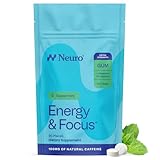
- Fast-Acting Nootropic - Our energy supplements deliver an extra boost of energy and clarity with a blend of natural caffeine, L-theanine, and vitamin b6 & b12. Your go-to chewing gum for work, exercise, and daily focus!
- Clean Energy - Each piece of our sugar free gum delivers 100mg of natural caffeine from green coffee beans for a smooth energy boost without crashes or jitters.
- The Perfect Balance - With 60mg of L-theanine per piece, our energy and focus formula promotes enhanced focus and stress reduction to smooth energy boosts.
- How to Use - Chew one piece of the caffeine gum whenever focus or energy is lacking. Ideal for mornings, pre-workout, or afternoon slumps. Effects typically kick in within minutes thanks to optimal absorption through the mouth.
- Made by Neuro, Backed by Science - At Neuro, we combine neuroscience with clean, science backed ingredients to help you do more, think better, and feel your best every single day.
Pros, cons, and when it matters
- Pro: Increased Alertness: Caffeine can temporarily boost focus and reduce feelings of fatigue, useful for tasks requiring concentration.
- Con: Anxiety and Jitters: For sensitive individuals, coffee can trigger or worsen anxiety, leading to a feeling of unease or panic.
- Pro: Mood Enhancement (initial): Many experience a temporary lift in mood and energy shortly after consuming coffee.
- Con: Post-Caffeine Crash: The subsequent drop in energy and mood after caffeine wears off can leave some feeling irritable or sad.
- Pro: Enhanced Physical Performance: Caffeine can improve endurance and reduce perceived exertion during exercise.
- Con: Sleep Disruption: Consuming coffee too late in the day can interfere with sleep, leading to fatigue and poor mood the next day.
- Pro: Antioxidant Benefits: Coffee contains antioxidants that may contribute to overall health.
- Con: Digestive Upset: Coffee can cause stomach upset, acid reflux, or exacerbate irritable bowel syndrome symptoms in some individuals.
- When it matters: Individual Variability: The impact of coffee on mood is highly personal; what’s stimulating for one can be distressing for another.
- When it matters: Mental Health: If you have a history of anxiety or depression, monitoring coffee intake is crucial to avoid exacerbating symptoms.
- When it matters: Hydration Status: Ensuring adequate water intake alongside coffee can mitigate dehydration-related mood effects.
- When it matters: Sleep Hygiene: Prioritizing good sleep is paramount, and coffee consumption should be managed to not interfere with it.
Common misconceptions
- “Coffee is always bad for anxiety.” While it can exacerbate anxiety for some, many people consume coffee without negative mood effects. Individual sensitivity is key.
- “Decaf coffee has no caffeine.” Decaffeinated coffee still contains small amounts of caffeine, though significantly less than regular coffee.
- “Coffee makes everyone feel more energetic.” While it’s a stimulant, some individuals report feeling tired or sluggish after coffee due to a crash or overstimulation.
- “Drinking coffee will automatically make you dehydrated.” While coffee has diuretic properties, moderate consumption typically doesn’t lead to dehydration if overall fluid intake is adequate.
- “The darker the roast, the more caffeine.” Generally, lighter roasts tend to have slightly more caffeine than darker roasts because the roasting process burns off some caffeine.
- “Coffee is addictive in the same way as illicit drugs.” Caffeine dependence is real, but it’s generally milder than addiction to harder substances and withdrawal symptoms are typically less severe.
- “Coffee is the only thing causing my sadness.” While coffee can influence mood, sadness is often multi-factorial and rarely attributable to a single cause.
- “Switching to tea will solve all caffeine-related issues.” Tea also contains caffeine, albeit often in lower amounts, and can still cause similar effects in sensitive individuals.
- “Adding milk or sugar cancels out caffeine’s effects.” These additions don’t negate caffeine’s impact on your body, though sugar can introduce its own mood fluctuations.
FAQ
Q: Can coffee directly cause depression?
A: Coffee itself is not typically considered a direct cause of clinical depression. However, for some individuals, particularly those predisposed to anxiety or mood disorders, caffeine can exacerbate symptoms or trigger feelings of sadness and unease. It’s more about how your body reacts to the stimulant.
Q: How much coffee is too much if it makes me sad?
A: There’s no universal answer, as sensitivity varies. If you notice a consistent pattern of sadness or anxiety after drinking coffee, even a single cup might be too much for you. The recommended limit for most healthy adults is around 400 mg of caffeine per day, but listen to your body.
Q: Will switching to decaf help with the sadness after coffee?
A: Yes, for many people, switching to decaffeinated coffee can significantly reduce or eliminate the negative mood effects associated with caffeine. Decaf still contains trace amounts of caffeine, but usually not enough to cause adverse reactions in sensitive individuals.
Q: Does adding sugar or cream to my coffee change how it affects my mood?
A: While sugar and cream don’t alter the caffeine content, excessive sugar can lead to blood sugar spikes and crashes, which can independently affect mood and energy levels. The combination of caffeine and sugar can sometimes intensify feelings of jitters or a subsequent crash.
Q: How long after drinking coffee might I feel sad?
A: The onset of negative mood effects can vary. Some people experience anxiety or jitters shortly after consumption as caffeine levels peak, while others might feel a dip in mood hours later as the caffeine wears off and a “crash” occurs.
Q: What are alternatives if coffee makes me sad?
A: Consider switching to decaf coffee, herbal teas (which are caffeine-free), or other warm beverages. If you enjoy the ritual, try chicory root coffee substitutes. Focus on staying well-hydrated with water throughout the day.
Q: Can dehydration from coffee make me feel sad?
A: Yes, dehydration can certainly contribute to feelings of fatigue, irritability, and a general dip in mood. While moderate coffee consumption might not cause severe dehydration if you drink enough water, its diuretic effect means it’s important to consciously increase your fluid intake.
What this page does NOT cover (and where to go next)
- Detailed medical advice for diagnosing or treating depression or anxiety disorders. Consult a healthcare professional for personalized guidance.
- Specific brand recommendations or brewing methods for low-acid coffee.
- In-depth scientific explanations of caffeine’s interaction with every neurotransmitter.
- Comprehensive nutritional guidelines for a balanced diet beyond coffee consumption.
- The historical or cultural significance of coffee around the world.
- Advanced techniques for home coffee roasting or espresso machine maintenance.