
Coffee’s Effect On Blood Pressure Levels
Quick Answer
- For most people, coffee’s effect on blood pressure is temporary.
- Blood pressure might spike shortly after drinking coffee, then return to normal.
- Regular coffee drinkers often develop a tolerance to this effect.
- People with existing high blood pressure might be more sensitive.
- Consult your doctor if you have concerns about coffee and your blood pressure.
- Decaf coffee generally has little to no impact on blood pressure.
Key Terms and Definitions
- Blood Pressure: The force of blood pushing against the walls of your arteries.
- Hypertension: The medical term for high blood pressure.
- Systolic Pressure: The top number in a blood pressure reading, showing the pressure when your heart beats.
- Diastolic Pressure: The bottom number, showing the pressure when your heart rests between beats.
- Caffeine: A natural stimulant found in coffee beans, tea leaves, and cocoa.
- Stimulant: A substance that increases activity in the central nervous system.
- Tolerance: When your body gets used to a substance, reducing its effect over time.
- Acute Effect: A short-term, immediate impact.
- Cardiovascular System: The network of the heart and blood vessels.
- Decaffeination: The process of removing caffeine from coffee beans.
Caffeine, the primary stimulant in coffee, is also available in supplement form. If you’re curious about its direct effects, consider exploring caffeine supplements.
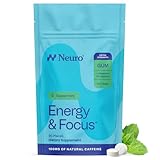
- Fast-Acting Nootropic - Our energy supplements deliver an extra boost of energy and clarity with a blend of natural caffeine, L-theanine, and vitamin b6 & b12. Your go-to chewing gum for work, exercise, and daily focus!
- Clean Energy - Each piece of our sugar free gum delivers 100mg of natural caffeine from green coffee beans for a smooth energy boost without crashes or jitters.
- The Perfect Balance - With 60mg of L-theanine per piece, our energy and focus formula promotes enhanced focus and stress reduction to smooth energy boosts.
- How to Use - Chew one piece of the caffeine gum whenever focus or energy is lacking. Ideal for mornings, pre-workout, or afternoon slumps. Effects typically kick in within minutes thanks to optimal absorption through the mouth.
- Made by Neuro, Backed by Science - At Neuro, we combine neuroscience with clean, science backed ingredients to help you do more, think better, and feel your best every single day.
How Coffee Affects Blood Pressure
- Caffeine acts as a stimulant. It can affect your nervous system and cardiovascular system.
- This stimulation can cause a temporary increase in heart rate.
- It may also lead to a temporary narrowing of blood vessels.
- Together, these effects can cause a short-term rise in blood pressure.
- This rise is usually modest, often a few points.
- For many people, this effect wears off within a few hours.
- Your body can adapt to regular caffeine intake. This means the blood pressure response may lessen over time.
- This adaptation is called tolerance.
- The exact mechanism is still being studied, but it’s linked to adenosine receptors. Caffeine blocks these receptors, which can influence blood vessel constriction.
- The brewing method doesn’t significantly change this fundamental caffeine-driven effect.
What Affects Coffee’s Impact On Blood Pressure
- Caffeine Content: Different coffees have different amounts of caffeine. A dark roast might have less caffeine than a light roast, contrary to popular belief. Espresso shots pack a punch.
- Individual Sensitivity: Some folks are just more sensitive to caffeine than others. Genetics play a role here.
- Regular Consumption: If you drink coffee daily, your body likely builds tolerance. Occasional drinkers might see a more pronounced spike.
- Existing Health Conditions: People with diagnosed hypertension might react differently. Their blood pressure might be more easily influenced.
- Dosage: How much coffee you drink matters. One cup versus three makes a difference.
- Time of Day: Your blood pressure naturally fluctuates. Drinking coffee at certain times might coincide with higher readings.
- Other Ingredients: Adding sugar or cream doesn’t directly affect blood pressure from the coffee itself, but overall diet matters.
- Medications: Certain medications can interact with caffeine or affect blood pressure independently. Always check with your doctor.
- Stress Levels: Being stressed can also raise blood pressure. Combining stress with coffee might amplify the effect.
- Genetics: Some research suggests genetic factors influence how quickly your body metabolizes caffeine, impacting its duration of effect.
- Hydration: Being well-hydrated can help regulate blood pressure.
- Sleep Quality: Poor sleep can elevate blood pressure, and caffeine’s impact might be more noticeable when you’re already tired.
Pros, Cons, and When It Matters
- Pro: Temporary boost in alertness and focus for many. This is why many grab a cup first thing.
- Con: Potential for temporary blood pressure elevation. This is the main concern for some.
- Pro: For most, the effect is short-lived and not a long-term risk. You can probably enjoy your morning brew.
- Con: Individuals with uncontrolled hypertension might need to be more cautious. They should monitor their response.
- Pro: Developing tolerance means regular drinkers often experience minimal impact. It’s part of the routine for millions.
- Con: Sensitive individuals might experience jitters or anxiety along with the pressure spike.
- Pro: Decaffeinated coffee offers the taste without the caffeine-related blood pressure changes. A good alternative.
- Con: For those on specific blood pressure medications, interaction is a possibility. Always ask your doc.
- Pro: Moderate coffee consumption is linked to other potential health benefits. It’s not all bad news.
- Con: If you’re already experiencing high blood pressure symptoms, adding caffeine might not be wise without guidance.
- Pro: It’s easy to control intake by choosing decaf or limiting cups. Simple adjustments.
- Con: Relying on coffee to mask fatigue might lead to a cycle of dependency and potential health issues.
Common Misconceptions
- Misconception: Coffee permanently raises blood pressure.
- Reality: The effect is usually temporary.
- Misconception: All coffee is the same for blood pressure.
- Reality: Caffeine content and individual sensitivity vary greatly.
- Misconception: Dark roast coffee has more caffeine.
- Reality: Lighter roasts often have more caffeine.
- Misconception: Coffee is bad for everyone with high blood pressure.
- Reality: Many with controlled hypertension can drink it in moderation.
- Misconception: Decaf coffee has zero effect on blood pressure.
- Reality: Decaf still has trace amounts of caffeine, but the impact is minimal for most.
- Misconception: Adding milk or sugar cancels out the effect.
- Reality: These additions don’t negate caffeine’s stimulant properties.
- Misconception: You’ll feel the blood pressure rise immediately and dramatically.
- Reality: The rise is often modest and may not be noticeable.
- Misconception: Cold brew coffee is always better for blood pressure.
- Reality: While cold brew can have lower acidity, caffeine levels can still be high.
- Misconception: If you don’t feel anything, your blood pressure isn’t affected.
- Reality: You might not perceive a slight, temporary change.
FAQ
Q: Does coffee always make blood pressure go up?
A: Not always. For many regular drinkers, tolerance means little to no noticeable change. For others, it might cause a temporary, modest increase.
Q: How long does coffee’s effect on blood pressure last?
A: Typically, the effect is short-lived, usually lasting a few hours at most. Your body metabolizes the caffeine, and pressure returns to baseline.
Q: Should I stop drinking coffee if I have high blood pressure?
A: Not necessarily. Talk to your doctor. They can advise based on your specific condition and how you respond to caffeine.
Q: Is decaf coffee a safe alternative?
A: For most people concerned about caffeine’s impact on blood pressure, yes. Decaf has very little caffeine and generally doesn’t cause significant changes.
Q: Can I drink coffee before a blood pressure test?
A: It’s generally recommended to avoid caffeine for at least 30 minutes before a blood pressure reading. This ensures a more accurate baseline measurement.
Q: What if I feel jittery after coffee?
A: That’s a sign of caffeine sensitivity. You might want to reduce your intake or switch to decaf. It could also indicate a mild blood pressure response.
Q: Does the type of coffee bean matter?
A: While different beans have varying caffeine levels, the primary driver of the blood pressure effect is the caffeine itself. How it’s roasted can also affect caffeine content.
Q: Are energy drinks the same as coffee for blood pressure?
A: Energy drinks often contain much higher levels of caffeine and other stimulants, potentially leading to a more significant blood pressure response.
What This Page Does Not Cover (and Where to Go Next)
- Specific dietary recommendations for managing high blood pressure.
- Detailed information on the long-term cardiovascular health benefits or risks associated with coffee.
- Guidance on specific blood pressure medications and their interactions with caffeine.
- Recipes for low-caffeine coffee drinks.
- How to measure your own blood pressure at home accurately.