
The Caffeine Crash: Why Coffee Can Make You Tired Later
Quick answer
- Caffeine blocks adenosine, a chemical that makes you feel sleepy.
- When caffeine wears off, that built-up adenosine hits you hard.
- Your body can also build a tolerance to caffeine over time.
- Dehydration can make you feel more tired, and coffee can be dehydrating.
- Poor sleep quality, even with coffee, still leads to fatigue.
- The “crash” is a real phenomenon, but understanding it helps manage it.
Key terms and definitions
- Adenosine: A neurotransmitter that builds up in your brain throughout the day, signaling sleepiness.
- Caffeine: A stimulant that temporarily blocks adenosine receptors.
- Half-life: The time it takes for the amount of a substance (like caffeine) in your body to reduce by half. Caffeine’s half-life is typically 3-5 hours.
- Tolerance: When your body gets used to a substance, requiring more to achieve the same effect.
- Withdrawal: Symptoms experienced when stopping or reducing intake of a substance your body has become dependent on.
- Stimulant: A substance that increases activity in the central nervous system.
- Central Nervous System (CNS): The brain and spinal cord.
- Dehydration: A condition where your body loses more fluid than it takes in.
- Blood Sugar Spike/Crash: Rapid increases and subsequent drops in blood glucose levels, often influenced by what you eat or drink.
- Sleep Debt: The cumulative effect of not getting enough sleep over time.
How it works
- Your brain naturally produces adenosine as you go about your day.
- Adenosine binds to specific receptors, slowing down nerve cell activity and making you feel drowsy.
- Caffeine has a molecular structure similar to adenosine.
- It fits into adenosine receptors, blocking adenosine from binding.
- This blockage prevents the “sleepy” signal from reaching your brain.
- Instead of feeling tired, you feel more alert and awake.
- As caffeine is metabolized and leaves your system, the blocked adenosine starts binding to its receptors.
- This sudden surge of adenosine can lead to a feeling of intense tiredness, often called the “caffeine crash.”
- It’s like a dam holding back water; once the dam breaks, the water rushes through.
- This rebound effect is a primary reason why coffee can make you tired later.
If you’re curious about the science, some people even explore adenosine supplements to understand its role in the body.
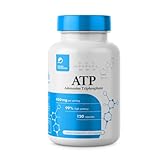
- 𝗠𝗔𝗫 𝗡𝗨𝗧𝗥𝗜𝗘𝗡𝗧 𝗦𝗧𝗥𝗘𝗡𝗚𝗧𝗛: Don’t be fooled by brands selling ATP “boosters” or underdosed supplements. Prime Powders ATP is made with the ONLY patented and clinically validated form of adenosine triphosphate.
- 𝗢𝗣𝗧𝗜𝗠𝗔𝗟 𝗗𝗢𝗦𝗔𝗚𝗘: We formulate our ATP capsules with a clinical dose of 400mg of bioactive ATP per serving.
- 𝗕𝗢𝗢𝗦𝗧𝗦 𝗬𝗢𝗨𝗥 𝗘𝗡𝗘𝗚𝗥𝗬: Doctors and athletes alike around the world are discovering the impressive benefits ATP has to offer pertaining to physical strength, stamina, endurance, energy output, and reduced fatigue.
- 𝗠𝗔𝗗𝗘 𝗜𝗡 𝗧𝗛𝗘 𝗨𝗦𝗔: Every batch of our ATP is VIGOROUSLY QUALITY ASSESSED. We manufacture in the USA and, wherever possible, use locally sourced NON-GMO and/or ORGANIC INGREDIENTS.
- 𝗢𝗨𝗥 𝗣𝗥𝗜𝗠𝗘 𝗣𝗥𝗢𝗠𝗜𝗦: at Prime Powders are fully committed to providing our friends, families, and customers with exceptional products. and support. Please reach out to us directly with any questions. It is our honor to help.
What affects the result
- Amount of Caffeine Consumed: The more caffeine you drink, the bigger the potential adenosine buildup and subsequent crash.
- Individual Metabolism: Some people process caffeine faster or slower than others. Genetics play a role here.
- Frequency of Consumption: Regular coffee drinkers often develop a tolerance.
- Tolerance Level: If you drink coffee daily, your body might not feel the initial boost as strongly, and the crash might be less noticeable or more pronounced depending on your habit.
- Hydration Levels: Coffee can act as a mild diuretic. If you’re not drinking enough water, dehydration can exacerbate feelings of fatigue.
- Time of Consumption: Drinking coffee late in the day can disrupt your natural sleep cycle, leading to poor sleep quality and daytime tiredness.
- What Else You’re Eating/Drinking: Consuming coffee with sugary snacks can lead to blood sugar spikes and crashes, compounding the caffeine crash.
- Your Sleep Quality: Even with caffeine, chronic sleep deprivation will catch up to you. Coffee can mask tiredness, but it doesn’t fix a lack of sleep.
- Caffeine Half-Life: The longer caffeine stays in your system, the longer it masks adenosine, and the more pronounced the eventual effect.
- Synergistic Effects: Other stimulants or medications can interact with caffeine, altering its effects.
- Stress Levels: High stress can independently lead to fatigue, and caffeine can sometimes worsen this by increasing anxiety.
- Brewer Type: While not directly causing the crash, the amount of caffeine you get from different brewers (espresso vs. drip) can influence the intensity of the effect.
To combat potential dehydration, consider adding hydration supplements to your routine, especially if you’re a regular coffee drinker.

- FAST HYDRATION: Science-based electrolyte powder formula hydrates faster than water alone; useful to rehydrate on-the-go for athletes, sports, outdoor activities, travel, and hot days.
- ELECTROLYTE FORMULA: Delivers 3x electrolytes and half the sugar than leading sports drinks in a portable, easy-mix great tasting hydration powder.
- INGREDIENT-CONSCIOUS: Non-GMO, Gluten Free, Vegan, Soy-Free, Dairy-Free, and Kosher; includes potassium, magnesium, zinc, and vitamin C for added immune support, with natural colors from fruit and vegetable juices.
- SINGLE-SERVE CONVENIENCE: Includes 16 portable electrolyte packets that are easy to carry in a gym bag, backpack, purse, desk or pantry; a simple way to keep hydration packets on hand for daily use, workouts, commuting, and travel days.
- DELICIOUS FLAVOR: Men's Journal Fitness Award for the Best-Tasting Hydration Drink. Enjoy Watermelon, Berry, Lemon, and Orange flavors in one pouch. Mix 1 packet into 8 oz of water for on-the-go hydration.
Pros, cons, and when it matters
- Pro: Increased Alertness: Coffee is great for that morning jolt or mid-afternoon pick-me-up.
- Con: The Crash: The inevitable dip in energy after the caffeine wears off.
- Pro: Improved Focus: For many, caffeine sharpens concentration, which is useful for demanding tasks.
- Con: Jitters and Anxiety: Too much caffeine can lead to unpleasant side effects like shaky hands and a racing heart.
- Pro: Mood Enhancement: Caffeine can temporarily boost mood for some individuals.
- Con: Sleep Disruption: Drinking coffee too late can interfere with your ability to fall asleep and stay asleep.
- Pro: Enhanced Physical Performance: It can improve endurance and reduce perceived exertion during exercise.
- Con: Tolerance Buildup: You might need more coffee over time to get the same effect.
- Pro: Social Ritual: Grabbing coffee with friends or colleagues is a pleasant social activity.
- Con: Dependence: Relying on coffee to function can lead to withdrawal symptoms like headaches if you skip it.
- When it Matters: During long workdays, early mornings, or when facing a deadline.
- When it Doesn’t Matter (or is detrimental): If you’re already well-rested, trying to establish a healthy sleep routine, or prone to anxiety.
Common misconceptions
- Myth: Coffee gives you “energy.” It doesn’t create energy; it blocks signals of tiredness.
- Myth: Coffee is always bad for you. In moderation, it has potential health benefits.
- Myth: The crash is caused by sugar in coffee. While sugar can cause a crash, the caffeine crash is primarily about adenosine.
- Myth: You can “out-drink” tiredness. Caffeine masks fatigue; it doesn’t eliminate the need for sleep.
- Myth: Decaf coffee has no caffeine. It has a small amount, but significantly less.
- Myth: Caffeine is addictive like hard drugs. While dependence can occur, it’s generally considered less severe than addiction to illicit substances.
- Myth: Coffee dehydrates you completely. While it has a mild diuretic effect, the water in coffee usually offsets this for moderate consumption.
- Myth: Everyone crashes equally. Individual genetics and habits make the experience highly variable.
- Myth: The crash happens immediately after drinking. It’s usually a few hours later, as the caffeine wears off.
- Myth: Coffee directly causes headaches. Caffeine withdrawal is a common cause of headaches, not necessarily the coffee itself.
FAQ
Q: So, does coffee make you tired after it wears off?
A: Yes, absolutely. When caffeine’s stimulant effect fades, the adenosine it blocked rushes back to your brain’s receptors, leading to a noticeable drop in energy.
Q: How long does the caffeine crash typically last?
A: The duration varies, but you might feel the effects for a couple of hours. It depends on your metabolism and how much caffeine you consumed.
Q: Can I prevent the caffeine crash?
A: You can’t entirely eliminate it, but you can manage it. Staying hydrated, not overdoing caffeine, and getting good sleep are key.
Q: Is it better to drink coffee in the morning or afternoon?
A: Morning is usually best. This gives your body plenty of time to process the caffeine before bedtime, reducing sleep disruption.
Q: What’s the best way to deal with the crash if it hits hard?
A: A short walk, some water, or a healthy snack can help. Avoid more caffeine, as it can create a cycle.
If you’re looking for a controlled energy boost without the coffee, caffeine supplements can be an alternative, but always use them responsibly.
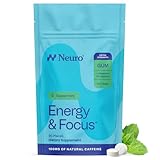
- Fast-Acting Nootropic - Our energy supplements deliver an extra boost of energy and clarity with a blend of natural caffeine, L-theanine, and vitamin b6 & b12. Your go-to chewing gum for work, exercise, and daily focus!
- Clean Energy - Each piece of our sugar free gum delivers 100mg of natural caffeine from green coffee beans for a smooth energy boost without crashes or jitters.
- The Perfect Balance - With 60mg of L-theanine per piece, our energy and focus formula promotes enhanced focus and stress reduction to smooth energy boosts.
- How to Use - Chew one piece of the caffeine gum whenever focus or energy is lacking. Ideal for mornings, pre-workout, or afternoon slumps. Effects typically kick in within minutes thanks to optimal absorption through the mouth.
- Made by Neuro, Backed by Science - At Neuro, we combine neuroscience with clean, science backed ingredients to help you do more, think better, and feel your best every single day.
Q: Does tolerance mean the crash is less severe?
A: Not necessarily. Tolerance might mean the initial boost is weaker, but the rebound effect can still be significant.
Q: Can I drink coffee and still get good sleep?
A: Yes, if you consume it mindfully. Avoid it in the late afternoon and evening. Aim to finish your last cup at least 6-8 hours before you plan to sleep.
Q: What if I get a headache when I stop drinking coffee?
A: That’s likely caffeine withdrawal. Try to taper off gradually rather than stopping cold turkey.
Q: Are there any other reasons I might feel tired after coffee?
A: Dehydration, poor sleep quality, or a blood sugar imbalance from what you ate with your coffee can all contribute to feeling tired.
Q: Is there a “safe” amount of coffee to drink?
A: For most healthy adults, up to 400 milligrams of caffeine per day (about 4 cups of brewed coffee) is generally considered safe. But listen to your body.
What this page does NOT cover (and where to go next)
- Specific caffeine content in various coffee drinks and brands. (Check the coffee packaging or manufacturer’s website.)
- Detailed advice on managing caffeine withdrawal symptoms. (Consult a healthcare professional or a reputable health resource.)
- The science behind sleep cycles and sleep disorders. (Explore resources on sleep hygiene and sleep medicine.)
- Recipes for coffee-based drinks. (Look for culinary websites or coffee enthusiast blogs.)
- The long-term health effects of caffeine consumption. (Refer to scientific studies or health organizations.)