
Strategies for Coffee Anxiety Relief
Quick answer
- Start with less caffeine. Try decaf or half-caf.
- Sip slower. Space out your coffee intake.
- Watch your food intake. Don’t brew on an empty stomach.
- Stay hydrated. Drink water alongside your coffee.
- Consider your brew method. Some methods yield less bitter coffee.
- Listen to your body. Adjust your routine as needed.
What this problem usually is (and is not)
- This is about how coffee affects your nervous system. Caffeine is a stimulant.
- It’s not usually a sign of a faulty coffee maker. Your gear is likely fine.
- It’s not about the coffee tasting bad. This is a physiological response.
- It’s not necessarily about the type of bean. It’s more about the caffeine.
- We’re talking about feeling jittery, restless, or on edge after your morning cup.
- This guide helps you adjust your coffee habit, not your coffee machine.
Likely causes (triage list)
Caffeine Intake:
- Too much caffeine: Did you switch beans? Try a new blend? Some beans pack a bigger punch. Check the roast level; darker roasts can sometimes have slightly less caffeine, but it’s not a hard rule.
- Timing of intake: Are you drinking it all at once? Or right before bed? Caffeine lingers.
Brewing & Coffee Factors:
- Brew strength: Is your coffee extra concentrated? A stronger brew means more caffeine.
- Coffee freshness: Stale beans can sometimes taste more bitter, leading to over-extraction, but this is less about anxiety and more about taste.
- Grind size: Too fine a grind can lead to over-extraction, potentially making the coffee taste harsher.
Personal Factors:
- Empty stomach: Coffee on an empty stomach hits harder. This is a big one for many folks.
- Hydration levels: Dehydration can amplify the effects of caffeine.
- Stress levels: If you’re already stressed, coffee can turn up the dial.
- Sensitivity: Everyone’s different. What’s fine for one person might be too much for another.
Fix it step-by-step (brew workflow)
1. Assess your current coffee: How much are you drinking? What kind of beans?
- Good: You know your usual dose and bean type.
- Mistake: Guessing. You might be unknowingly increasing your intake.
- Avoid: Be honest about your consumption.
2. Consider a lower-caffeine option: Try decaf or a half-caf blend.
- Good: You can still enjoy the ritual and flavor without the jitters.
- Mistake: Thinking you must have full-caff. You can adapt.
- Avoid: Don’t dismiss decaf. Modern decaf is pretty darn good.
If you’re looking to reduce your caffeine intake without sacrificing the coffee ritual, a half caf blend is an excellent choice. It offers a balanced experience, allowing you to enjoy the flavor and aroma with less of the stimulating effect.
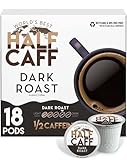
- Roast Profile - World's Best Half Caff Dark Roast Coffee is a tasty, heavy bodied coffee with a sweet aroma and smooth finish. This artisan roasted, half-caffeinated blend is a wonderful bold cup that's flavorful to the last drop. The World's Best Half Caff is also the world's first brand dedicated to half-caffeinated coffee, perfected by our 5th Generation Roastmaster.
- 100% Arabica Half Caffeinated Dark Roast Coffee - We use only high quality 100% Arabica coffee including organic and fair trade beans from premier growing regions around the world.
- California Roasted & 100% Solar Energy Produced - On their way to your cup, our flavorful beans also get a California tan, roasted to perfection in our own Solar Energy Powered San Diego facility, where we can monitor the quality and character of each batch.
- Single Servings - Designed for use with nearly all single serve coffee makers.
3. Adjust your brew ratio: Use less coffee grounds for the same amount of water.
- Good: The coffee will be less concentrated, hence less caffeine per oz.
- Mistake: Sticking to the same scoops, just brewing a weaker cup. You’re still getting a lot of caffeine.
- Avoid: Measure your grounds. Don’t just eyeball it.
4. Slow down your consumption: Sip your coffee over a longer period.
- Good: Your body has more time to process the caffeine.
- Mistake: Chugging it like a soda. That’s a fast track to jitters.
- Avoid: Put your mug down between sips.
5. Pair your coffee with food: Never drink it on an empty stomach.
- Good: Food buffers the caffeine’s impact on your system.
- Mistake: Grabbing your coffee and running out the door. Your stomach is a blank canvas.
- Avoid: Have a snack or breakfast first. Even a banana helps.
6. Increase your water intake: Drink a glass of water before and during your coffee.
- Good: Hydration helps your body function smoothly and can dilute caffeine’s effects.
- Mistake: Forgetting to hydrate. You might mistake thirst for caffeine jitters.
- Avoid: Keep a water bottle handy.
7. Experiment with brew methods: Some methods yield smoother, less intense coffee.
- Good: A pour-over or French press might give you a different feel than a super-fast espresso.
- Mistake: Blaming the machine when it’s really the caffeine load.
- Avoid: Focus on the coffee itself, not just the machine.
Experimenting with brew methods can also make a difference; a pour over coffee maker, for instance, can yield a smoother, less intense cup compared to other methods.

- Pour Over Coffee: Manual Pour Over Coffee Maker allows you to brew an excellent cup of Coffee in minutes
- Stainless steel: Includes a new and improved permanent, stainless steel mesh filter that helps extract your coffee's aromatic oils and subtle flavors instead of being absorbed by a paper filter
- Coffee Carafe: Made of durable, heat-resistant borosilicate glass with Cork Band detailing that is both functional and elegant; single wall
- Quick and Easy: Simply add coarse ground Coffee to filter, pour a small amount of water in a circular motion over ground Coffee until soaked then add the remaining water and let drip
- Servings: Pour Over Coffee Maker makes 8 cups of Coffee, 4 oz each; dishwasher safe
8. Observe your body’s signals: Pay attention to how you feel after each cup.
- Good: You learn your personal limits and triggers.
- Mistake: Ignoring the signs. Pushing through the discomfort isn’t tough, it’s just not smart.
- Avoid: Don’t dismiss that “off” feeling.
9. Reduce overall caffeine intake: If coffee is the main culprit, consider cutting back on other sources.
- Good: You’ll have a more stable energy level throughout the day.
- Mistake: Only focusing on coffee, but still downing energy drinks.
- Avoid: Track all your caffeine sources.
Prevent it next time
- Clean your coffee maker regularly. A clean machine makes better-tasting coffee.
- Descale your machine. Mineral buildup can affect performance. Check your manual for frequency.
- Use filtered water. Good water makes good coffee.
- Store beans properly. Keep them in an airtight container, away from light and heat.
- Measure your coffee grounds and water. Consistency is key.
- Grind your beans just before brewing. Freshness matters for flavor.
- Don’t brew excessively strong coffee. Adjust your ratio for a milder cup if needed.
- Always have food with your coffee. Avoid drinking on an empty stomach.
- Stay hydrated. Drink water throughout the day.
- Listen to your body. If you feel anxious, cut back.
Common mistakes (and what happens if you ignore them)
| Mistake | What it causes | Fix |
|---|---|---|
| Drinking coffee on an empty stomach | Rapid caffeine absorption, increased jitters, stomach upset | Eat something before or with your coffee. |
| Brewing too strong | Over-extraction, too much caffeine, bitter taste | Use less coffee grounds or more water. |
| Consuming too much caffeine at once | Jitteriness, anxiety, rapid heart rate, insomnia | Space out your coffee intake; switch to lower-caffeine options. |
| Ignoring body’s sensitivity signals | Chronic anxiety, poor sleep, digestive issues | Reduce caffeine intake; consult a doctor if persistent. |
| Not drinking enough water | Dehydration, which can worsen caffeine side effects | Drink water alongside your coffee and throughout the day. |
| Using stale or poorly stored beans | Off-flavors, potentially harsher extraction | Store beans properly; buy fresh beans more often. |
| Over-reliance on coffee for energy | Caffeine crash, dependence, heightened anxiety | Balance with sleep, exercise, and a healthy diet. |
| Not cleaning the coffee maker | Off-flavors, potential for mold/bacteria | Clean your machine regularly according to the manufacturer’s guide. |
| Drinking coffee late in the day | Sleep disturbances, which can increase anxiety | Stick to morning or early afternoon coffee. |
Decision rules (simple if/then)
- If you feel jittery after your usual cup, then reduce the amount of coffee grounds you use because less coffee means less caffeine.
- If your coffee tastes bitter and you feel anxious, then check your grind size; too fine can over-extract, leading to both issues because over-extraction pulls out harsh compounds.
- If you’re feeling anxious before you even have your coffee, then hold off on brewing and drink water first because you might be dehydrated or already stressed.
- If you switch to a new bag of beans and suddenly feel anxious, then it’s likely the new beans have more caffeine, so consider a lower-caffeine blend or using less of them because bean density and roast can affect caffeine content.
- If you only drink coffee and nothing else for breakfast, then add some food to your routine because caffeine hits harder on an empty stomach.
- If you’re experiencing anxiety and drinking multiple cups a day, then try cutting back to one cup or switching to half-caf because reducing your total caffeine load is the most direct solution.
- If you notice your heart racing after coffee, then slow down your sipping pace and ensure you’re hydrated because rapid intake and dehydration can amplify stimulant effects.
- If you’re having trouble sleeping, then avoid coffee after 2 PM because caffeine has a long half-life and can disrupt your sleep cycle.
- If your coffee maker is old and tastes off, then descale it because mineral buildup can affect taste and extraction, which might indirectly influence your perception of the coffee’s effect.
- If you’re trying to cut back but miss the ritual, then try a high-quality decaf or herbal tea because you can still enjoy the warm beverage experience.
FAQ
Q: Is it my coffee maker causing my anxiety?
A: Almost never. Your coffee maker’s job is to brew. Your body’s reaction to caffeine is the issue here.
Q: What’s the best coffee to drink if I get anxious?
A: Lower caffeine options are best. Try decaf, half-caf, or lighter roasts from less caffeinated beans.
Q: How much caffeine is too much?
A: This varies wildly. For most adults, up to 400 mg a day is generally safe, but sensitivity means you might feel effects at much lower doses.
Q: Can I still enjoy coffee if I’m sensitive to caffeine?
A: Absolutely. You might just need to adjust your routine, brew strength, or frequency.
Q: Does brewing method affect anxiety?
A: Indirectly. Some methods might produce a smoother cup, but the caffeine content is the main driver of anxiety.
Q: What if I feel anxious after just one cup?
A: You might be highly sensitive. Try half-caf, or even less coffee grounds in your brew.
Q: Should I stop drinking coffee altogether?
A: Not necessarily. Listen to your body. If you can find a way to enjoy it without anxiety, that’s ideal.
Q: How long does caffeine affect me?
A: The half-life is about 5 hours, meaning half the caffeine is still in your system after that. Effects can last much longer.
Q: Does adding milk or sugar change the caffeine effect?
A: No, milk and sugar don’t reduce caffeine’s stimulant properties. They might slightly slow absorption, but the caffeine is still there.
What this page does NOT cover (and where to go next)
- Detailed comparisons of specific coffee maker models. (Check product reviews for specific machines.)
- Medical advice for anxiety disorders. (Consult a healthcare professional for persistent anxiety.)
- Specific recommendations for sourcing ethically grown coffee beans. (Look for certifications or brand transparency.)
- Advanced latte art techniques. (Search for barista training resources.)
- Troubleshooting complex electrical issues with your coffee maker. (Refer to your appliance manual or contact customer support.)