
Coffee Anxiety Without Soda Effects
Quick answer
- Coffee contains caffeine and other compounds that can trigger anxiety in some individuals.
- Soda typically contains caffeine but lacks other coffee-specific compounds and acids.
- The speed of caffeine absorption can differ between coffee and soda, impacting anxiety levels.
- Individual sensitivity to caffeine and other coffee components plays a significant role.
- Factors like brewing method, coffee type, and consumption patterns also influence the effect.
- Hydration and food intake alongside coffee can mitigate anxiety symptoms.
What this problem usually is (and is not)
- This problem is usually about individual physiological responses to specific compounds in coffee.
- It is often related to caffeine sensitivity, but also to other coffee constituents.
- It is not typically a sign of a severe underlying medical condition, though persistent anxiety should be discussed with a healthcare professional.
- It is not necessarily an indication that all caffeinated beverages will cause the same reaction.
- It is not a universal experience; many people consume coffee without anxiety.
- It is not solely about caffeine content, as soda often has comparable caffeine levels.
Likely causes (triage list)
- Caffeine sensitivity: Some individuals metabolize caffeine more slowly, leading to prolonged stimulant effects. To confirm, observe if other caffeinated products (like tea or energy drinks) also cause anxiety.
- Other coffee compounds: Coffee contains hundreds of compounds beyond caffeine, such as chlorogenic acids and diterpenes, which might interact with your body differently than those in soda. To confirm, try a decaffeinated coffee and see if anxiety still occurs.
- Acidity of coffee: Coffee is generally more acidic than most sodas, which can sometimes lead to stomach upset or a heightened sense of unease. To confirm, try low-acid coffee varieties or add milk/cream to see if it helps.
- Rate of caffeine absorption: The way caffeine is delivered and absorbed can vary. Coffee’s caffeine might be absorbed more rapidly or differently than caffeine in soda, leading to a quicker onset of stimulating effects. To confirm, compare the onset time of effects after drinking coffee versus soda.
- Consumption patterns: Coffee is often consumed quickly, on an empty stomach, or in larger quantities than soda, which can intensify caffeine’s effects. To confirm, try drinking coffee slowly, with food, and in smaller portions.
- Hydration status: Coffee can have a diuretic effect. Dehydration can sometimes mimic or exacerbate anxiety symptoms. To confirm, ensure you are well-hydrated before and after drinking coffee.
- Sugar content: Soda often contains high levels of sugar, which can provide a temporary energy boost that might mask or alter the perception of caffeine’s effects. To confirm, try a sugar-free soda with similar caffeine content to your coffee.
- Expectation and environment: The ritual and expectation surrounding coffee consumption can sometimes contribute to perceived anxiety, even without a direct physiological cause. To confirm, pay attention to your mental state and surroundings when consuming coffee.
To confirm if other coffee compounds are the issue, try a decaffeinated coffee and see if anxiety still occurs. This can help isolate whether it’s the caffeine or something else in the brew.
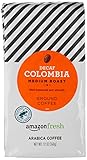
- Balanced, full-bodied medium roast with a smooth finish
- One 12-ounce bag of ground coffee
- Decaffeinated
- 100% Arabica coffee grown in Colombia
- Roasted and packed in the U.S.A.
Fix it step-by-step (brew workflow)
1. Assess your caffeine intake: Note how much caffeine you typically consume from all sources in a day.
- What “good” looks like: You have a clear understanding of your daily caffeine load.
- Common mistake: Underestimating total caffeine intake from various beverages and foods; avoid this by tracking everything for a few days.
2. Choose your coffee wisely: Opt for Arabica beans, which generally have less caffeine than Robusta.
- What “good” looks like: You select beans known for lower caffeine content or specific flavor profiles.
- Common mistake: Assuming all coffee is the same; avoid this by reading bean descriptions or asking your roaster.
3. Consider the roast level: Lighter roasts often contain slightly more caffeine than darker roasts.
- What “good” looks like: You choose a medium or dark roast if caffeine sensitivity is an issue.
- Common mistake: Believing darker roasts are stronger in caffeine; avoid this by understanding the roasting process.
4. Adjust your grind size: A coarser grind typically extracts less caffeine than a fine grind.
- What “good” looks like: Your grind size is appropriate for your brewing method and your sensitivity.
- Common mistake: Using a very fine grind for drip coffee, leading to over-extraction; avoid this by matching grind to brewer.
5. Control brewing time: Shorter brewing times extract less caffeine.
- What “good” looks like: You brew for the recommended time for your method, or slightly less if you’re sensitive.
- Common mistake: Letting coffee steep for too long, especially with immersion methods; avoid this by using a timer.
6. Reduce coffee-to-water ratio: Use less coffee grounds per serving.
- What “good” looks like: You find a ratio that provides flavor without excessive caffeine.
- Common mistake: Using the same ratio regardless of coffee type or personal sensitivity; avoid this by experimenting with less coffee.
7. Drink coffee with food: Consuming coffee with a meal can slow caffeine absorption.
- What “good” looks like: You always pair your coffee with a snack or meal.
- Common mistake: Drinking coffee on an empty stomach; avoid this by planning your coffee consumption around food.
8. Stay hydrated: Drink water before, during, and after your coffee.
- What “good” looks like: You consistently drink water throughout the day.
- Common mistake: Replacing water with coffee; avoid this by keeping a water bottle handy.
9. Limit your intake: Reduce the number of cups you drink per day or the size of each serving.
- What “good” looks like: You stick to a predetermined, lower limit of coffee consumption.
- Common mistake: Mindlessly refilling your cup; avoid this by using a measured serving size.
10. Try decaf or half-caf: Gradually transition to lower-caffeine options.
- What “good” looks like: You enjoy the taste of coffee without the anxiety-inducing effects.
- Common mistake: Going cold turkey on caffeine, leading to withdrawal symptoms; avoid this by tapering down.
When adjusting your coffee intake, consider how your coffee brewing methods might affect caffeine extraction. Different methods can yield varying caffeine levels, so experimenting with grind size and brew time is key.

- Pour Over Coffee: Manual Pour Over Coffee Maker allows you to brew an excellent cup of Coffee in minutes
- Stainless steel: Includes a new and improved permanent, stainless steel mesh filter that helps extract your coffee's aromatic oils and subtle flavors instead of being absorbed by a paper filter
- Coffee Carafe: Made of durable, heat-resistant borosilicate glass with Cork Band detailing that is both functional and elegant; single wall
- Quick and Easy: Simply add coarse ground Coffee to filter, pour a small amount of water in a circular motion over ground Coffee until soaked then add the remaining water and let drip
- Servings: Pour Over Coffee Maker makes 8 cups of Coffee, 4 oz each; dishwasher safe
Prevent it next time
- Monitor total caffeine intake: Be aware of all sources of caffeine in your diet.
- Choose lower-caffeine beans: Opt for Arabica or specific low-caffeine varieties.
- Experiment with roast levels: Lighter roasts can have slightly more caffeine; try medium or dark.
- Adjust grind and brew time: Finer grinds and longer brew times extract more caffeine.
- Always drink coffee with food: Slows absorption and buffers effects.
- Stay well-hydrated: Drink plenty of water alongside your coffee.
- Limit portion sizes: Use smaller cups or fewer servings.
- Consider decaf or half-caf options: Gradually reduce caffeine exposure.
- Listen to your body: Pay attention to early signs of anxiety and adjust accordingly.
Common mistakes (and what happens if you ignore them)
| Mistake | What it causes | Fix |
|---|---|---|
| Drinking coffee on an empty stomach | Rapid caffeine absorption, leading to a sudden jolt and increased anxiety. | Always pair coffee with a meal or substantial snack to slow absorption. |
| Consuming too much caffeine too quickly | Overstimulation, jitters, elevated heart rate, and heightened anxiety. | Limit serving sizes and spread coffee consumption throughout the day; consider half-caf or decaf. |
| Ignoring hydration needs | Dehydration, which can exacerbate anxiety symptoms and lead to headaches. | Drink a glass of water before and after each cup of coffee. |
| Using very fine grind or long brew time | Over-extraction of caffeine and bitter compounds, intensifying stimulant effects. | Adjust grind size coarser and reduce brew time, especially for immersion methods like French press. |
| Not considering other caffeine sources | Underestimating total daily caffeine, leading to unexpected anxiety. | Track all caffeinated beverages and foods (tea, chocolate, energy drinks). |
| Believing all coffee is the same | Consuming high-caffeine varieties without knowing, leading to anxiety. | Choose Arabica beans over Robusta, and consider decaf or light roast options. |
| Drinking coffee late in the day | Disrupted sleep patterns, which can worsen anxiety the following day. | Limit coffee consumption to earlier in the day, ideally before noon or early afternoon. |
| Not listening to your body’s signals | Persistently experiencing anxiety, leading to a negative association with coffee. | Pay attention to initial jitters or unease and reduce intake or switch to decaf immediately. |
| Stressing about coffee’s effects | The anticipation of anxiety can itself trigger or worsen symptoms. | Practice mindfulness and try to relax when consuming coffee; focus on the taste and aroma. |
| Relying solely on coffee for energy | A cycle of caffeine dependence and subsequent energy crashes, contributing to anxiety. | Incorporate other energy-boosting habits like regular exercise, good sleep, and balanced nutrition. |
Decision rules (simple if/then)
- If you feel jitters or a racing heart after coffee then reduce your coffee intake or switch to decaf because your body is sensitive to caffeine.
- If soda with similar caffeine doesn’t cause anxiety then consider other compounds in coffee as the culprit because coffee contains more than just caffeine.
- If drinking coffee on an empty stomach leads to anxiety then always consume coffee with food because food slows caffeine absorption.
- If you consistently feel anxious after coffee then gradually reduce your caffeine intake over several days or weeks because sudden cessation can cause withdrawal symptoms.
- If you notice anxiety only with certain types of coffee then experiment with different roasts or bean varieties because caffeine content and other compounds vary.
- If you’re not hydrating adequately throughout the day then increase your water intake alongside coffee because dehydration can mimic or worsen anxiety.
- If you frequently consume coffee late in the day then shift your coffee consumption to earlier hours because caffeine can disrupt sleep and contribute to next-day anxiety.
- If you’re unsure about your total daily caffeine intake then track all caffeinated beverages and foods for a few days because hidden caffeine can contribute to anxiety.
- If your anxiety persists even after adjusting coffee habits then consult a healthcare professional because there might be other underlying causes.
- If you want the taste of coffee without the stimulant effect then opt for decaffeinated coffee because it provides the flavor experience without significant caffeine.
FAQ
Q: Why does coffee make me anxious but not soda if they both have caffeine?
A: Coffee contains hundreds of compounds beyond caffeine, such as chlorogenic acids and diterpenes, which might interact with your body differently than those in soda. The speed of caffeine absorption and the presence of sugar in soda can also play a role.
Q: Is it just the caffeine in coffee that causes anxiety?
A: While caffeine is a primary factor, it’s not the only one. Other compounds in coffee, its acidity, and even the ritual of consumption can contribute to anxiety for some individuals.
Q: Can the type of coffee bean affect anxiety levels?
A: Yes, Arabica beans generally have less caffeine than Robusta beans. Also, the roast level can slightly influence caffeine content, with lighter roasts sometimes having marginally more caffeine.
Q: Does drinking coffee with food help reduce anxiety?
A: Yes, consuming coffee with a meal or snack can slow down the absorption of caffeine, leading to a more gradual and less intense stimulant effect, which may help mitigate anxiety.
Q: How much caffeine is considered too much if I’m prone to anxiety?
A: This varies greatly by individual. Some people are highly sensitive to even small amounts, while others can tolerate more. If you’re prone to anxiety, start by reducing your intake and observing your body’s response.
Q: Can decaf coffee still cause anxiety?
A: Decaffeinated coffee still contains trace amounts of caffeine. For highly sensitive individuals, these small amounts, or other non-caffeine compounds in the coffee, could potentially trigger mild anxiety.
What this page does NOT cover (and where to go next)
- Specific medical diagnoses for anxiety disorders.
- Detailed information on the chemical composition of different coffee beans.
- Comprehensive guide to various coffee brewing methods and equipment.
- In-depth analysis of caffeine metabolism in different populations.
- Long-term health effects of high caffeine consumption.
- Where to find specific brands of low-acid or low-caffeine coffee.