
Coffee and Paranoia: Exploring the Psychological Effects
Quick Answer: Can Coffee Make You Paranoid?
- For most people, coffee won’t cause paranoia.
- High doses of caffeine can increase anxiety and jitteriness.
- Existing anxiety or paranoia can be worsened by caffeine.
- Individual sensitivity to caffeine varies wildly.
- It’s more about how caffeine affects your nervous system than directly causing paranoia.
- If you suspect coffee is an issue, try cutting back or switching to decaf.
Key Terms and Definitions
- Caffeine: A natural stimulant found in coffee beans, tea leaves, and cacao pods. It’s known for its ability to boost alertness and energy.
- Paranoia: A thought process characterized by suspicion and mistrust of others, often without sufficient basis. It can range from mild unease to severe delusion.
- Anxiety: A feeling of worry, nervousness, or unease, typically about an imminent event or something with an uncertain outcome.
- Stimulant: A substance that raises levels of physiological or nervous system activity in the body. Caffeine is a mild stimulant.
- Central Nervous System (CNS): The brain and spinal cord. Caffeine primarily affects the CNS.
- Adenosine: A neurotransmitter that promotes relaxation and sleepiness. Caffeine blocks adenosine receptors.
- Dopamine: A neurotransmitter associated with pleasure, reward, and motivation. Caffeine can indirectly increase dopamine levels.
- Individual Sensitivity: How a person’s body reacts to a substance, which can differ greatly from person to person.
- Withdrawal Symptoms: Physical or mental effects experienced when stopping or reducing intake of a substance, like caffeine headaches.
- Psychological Effects: Changes in mood, thinking, or behavior caused by a substance or experience.
How Coffee Works
- When you drink coffee, caffeine is absorbed into your bloodstream.
- It travels to your brain and blocks adenosine receptors.
- Adenosine usually makes you feel tired. By blocking it, caffeine keeps you awake and alert.
- This blocking action also leads to the release of other neurotransmitters like dopamine and norepinephrine.
- Norepinephrine is a “fight or flight” hormone that can increase heart rate and blood pressure.
- Dopamine is linked to pleasure and can contribute to that feeling of focus or a mild “high.”
- The increased activity in the brain can make you feel more energized and mentally sharp.
- For some, this heightened state can tip over into feeling keyed up or on edge.
- It’s this overstimulation, especially in sensitive individuals or with high doses, that can mimic or exacerbate anxiety-related feelings.
If you’re looking for a controlled dose of caffeine without the coffee, consider exploring caffeine supplements.
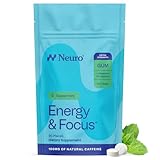
- Fast-Acting Nootropic - Our energy supplements deliver an extra boost of energy and clarity with a blend of natural caffeine, L-theanine, and vitamin b6 & b12. Your go-to chewing gum for work, exercise, and daily focus!
- Clean Energy - Each piece of our sugar free gum delivers 100mg of natural caffeine from green coffee beans for a smooth energy boost without crashes or jitters.
- The Perfect Balance - With 60mg of L-theanine per piece, our energy and focus formula promotes enhanced focus and stress reduction to smooth energy boosts.
- How to Use - Chew one piece of the caffeine gum whenever focus or energy is lacking. Ideal for mornings, pre-workout, or afternoon slumps. Effects typically kick in within minutes thanks to optimal absorption through the mouth.
- Made by Neuro, Backed by Science - At Neuro, we combine neuroscience with clean, science backed ingredients to help you do more, think better, and feel your best every single day.
What Affects Your Coffee Experience
- Caffeine Content: Different beans and brewing methods yield varying caffeine levels. A dark roast can have less caffeine than a light roast, contrary to popular belief.
- Your Genetics: Some people metabolize caffeine faster or slower than others. This is a big one.
- Dosage: How much caffeine you consume in one sitting matters. A triple espresso hits different than a single cup.
- Tolerance: Regular coffee drinkers often develop a tolerance, meaning they need more caffeine for the same effect.
- Existing Mental State: If you’re already feeling stressed or anxious, caffeine can amplify those feelings. It’s like adding fuel to a fire.
- Hydration Levels: Dehydration can make you feel more sensitive to caffeine’s effects. Drink water with your coffee, seriously.
- Food Intake: Drinking coffee on an empty stomach can lead to faster absorption and a more intense effect.
- Sleep Quality: Being sleep-deprived makes you more susceptible to caffeine’s stimulating and potentially anxiety-provoking effects.
- Medications: Certain medications can interact with caffeine, affecting how your body processes it. Always check with your doctor.
- Brewing Method: Espresso, drip, French press – they all extract caffeine and other compounds differently.
- Type of Coffee Bean: Robusta beans generally have more caffeine than Arabica beans.
- Freshness of Grounds: Stale grounds might not taste as good, but their caffeine content is still there.
Pros, Cons, and When It Matters
- Pro: Increased Alertness: Coffee is great for waking up and staying focused. Essential for those early mornings.
- Con: Anxiety and Jitters: Too much caffeine can make you feel restless, shaky, and on edge.
- Pro: Improved Mood: For many, coffee provides a pleasant lift and can improve overall mood.
- Con: Sleep Disruption: Drinking coffee too late can mess with your sleep cycle, leading to fatigue later.
- Pro: Enhanced Physical Performance: Caffeine can boost endurance and power during workouts.
- Con: Digestive Issues: Coffee can trigger heartburn or upset stomachs in some individuals.
- Pro: Rich Flavor and Ritual: The taste and the act of brewing coffee are enjoyable for millions. It’s a whole vibe.
- Con: Potential for Dependence: Regular use can lead to withdrawal symptoms like headaches if you stop.
- Pro: Social Connection: Coffee shops and coffee breaks are often social hubs.
- Con: Exacerbated Paranoia (in susceptible individuals): For those prone to anxiety or paranoia, caffeine can worsen these feelings. This is where the “can coffee make you paranoid” question really comes in.
- Pro: Antioxidants: Coffee contains beneficial antioxidants.
- Con: Increased Heart Rate/Blood Pressure: This is usually temporary but can be a concern for some.
Common Misconceptions
- Myth: Dark roasts have more caffeine. Often, lighter roasts have slightly more caffeine by weight because less of it is burned off during roasting.
- Myth: Coffee directly causes paranoia. Caffeine is a stimulant that can worsen existing anxiety or paranoia in susceptible people, but it doesn’t typically create these feelings from scratch.
- Myth: You can build a complete tolerance to all of caffeine’s effects. While tolerance to some effects develops, others, like sleep disruption, may persist.
- Myth: Decaf coffee has zero caffeine. Decaf coffee still contains a small amount of caffeine, usually around 2-5% of a regular cup.
- Myth: Coffee is unhealthy. In moderation, coffee has been linked to several health benefits. It’s all about balance.
- Myth: You need coffee to be productive. While it helps many, adequate sleep and good nutrition are more fundamental to productivity.
- Myth: Caffeine is addictive like hard drugs. Caffeine dependence is real, but it’s generally considered much milder than addiction to substances like opioids or cocaine.
- Myth: Any jittery feeling is paranoia. Jitters are a common physical side effect of too much caffeine, distinct from the thought patterns of paranoia.
- Myth: Espresso has way more caffeine than drip coffee. While espresso is concentrated, a standard serving (1-2 oz) often has less total caffeine than a larger cup of drip coffee (8-12 oz).
- Myth: Coffee dehydrates you. While caffeine is a mild diuretic, the water in coffee typically offsets this effect for most people.
FAQ
Q: Can coffee cause me to be paranoid if I’ve never felt that way before?
A: It’s unlikely to cause paranoia out of the blue. Caffeine is more likely to amplify existing anxiety or stress, which might feel like paranoia to you.
Q: How much coffee is too much?
A: For most healthy adults, up to 400 milligrams of caffeine per day (about 4 cups of brewed coffee) is considered safe. But individual tolerance varies.
Q: What are the signs that coffee might be making me anxious or paranoid?
A: Look for increased heart rate, racing thoughts, feeling on edge, excessive worry, or suspicion that feels out of proportion.
Q: Should I switch to decaf if I’m worried?
A: Decaf is a good option if you love the taste but want to reduce caffeine intake. It can help manage anxiety symptoms related to caffeine.
If you’re concerned about caffeine’s effects but still enjoy the coffee ritual, switching to a quality decaffeinated coffee can be a great alternative.
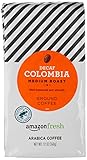
- Balanced, full-bodied medium roast with a smooth finish
- One 12-ounce bag of ground coffee
- Decaffeinated
- 100% Arabica coffee grown in Colombia
- Roasted and packed in the U.S.A.
Q: Is there a difference between caffeine anxiety and true paranoia?
A: Caffeine-induced anxiety is usually a temporary, dose-dependent reaction to a stimulant. True paranoia is a more persistent and often deeper psychological condition.
Q: What if I experience intense paranoia after drinking coffee?
A: If you have a severe reaction, stop drinking coffee and consult a healthcare professional. It’s important to rule out other causes.
If you frequently experience anxiety or paranoia, even without coffee, you might want to discuss anxiety relief supplements with your doctor.

- Balance Daily Stress: Includes one 6-count bottle of ONNIT New MOOD Occasional Stress Support Supplement, IGENTM certified to verify label claims about the presence of GMOs for trusted daily support.
- Support a Normal Daily Stress Response: This relaxation and mood-balancing supplement, IGENTM Non-GMO Tested for label transparency, combines 5-HTP, Magnesium, Tryptophan, and our herbal tranquility blend with Valerian and Chamomile Extract to help you manage occasional stress.
- Promotes a Restful Night’s Sleep: Formulated with Valerian extract and 5-HTP, ONNIT New MOOD helps support a calm mind and body before bed for restful sleep—IGENTM Non-GMO Tested for your peace of mind.
- Perfect For Daily Use: This dietary supplement contains herbs and compounds that support serotonin levels and can be taken daily or whenever you desire a calm, balanced mood—IGENTM Non-GMO Tested for quality assurance.
- Quality Ingredients: Developed to promote relaxation and a balanced mood for a great night's sleep, this caffeine-, gluten-, and soy-free formula is IGENTM Non-GMO Tested for uncompromised quality.
Q: Does the type of coffee bean affect paranoia?
A: Not directly. The primary factor is the caffeine content, which can vary between bean types but is the main driver of stimulant effects.
Q: How quickly do caffeine’s effects wear off?
A: The half-life of caffeine is typically 3-5 hours, meaning it takes that long for your body to eliminate half of it. Effects can linger longer.
What This Page Does Not Cover (And Where to Go Next)
- Detailed breakdowns of caffeine content in specific coffee drinks.
- In-depth medical advice on anxiety disorders or paranoia.
- Specific brand recommendations for coffee makers or beans.
- The neuroscience of neurotransmitter interactions beyond basic caffeine effects.
- Advanced brewing techniques for optimizing flavor.
- Information on other stimulants or their psychological effects.