
Dissociative Feelings and Coffee Consumption
Quick answer
- Coffee can cause feelings of dissociation, often described as feeling “out of body” or detached from reality.
- This is commonly linked to caffeine overstimulation, leading to anxiety, jitteriness, and a heightened sense of awareness that can feel unsettling.
- Dehydration, often exacerbated by coffee’s diuretic effect, can also contribute to these feelings.
- Pre-existing anxiety disorders or sensitivities to caffeine can make individuals more prone to experiencing dissociation.
- Adjusting coffee intake, staying hydrated, and monitoring personal tolerance are key to managing these sensations.
- If persistent or severe, these feelings warrant a discussion with a healthcare professional.
What this problem usually is (and is not)
- This problem is usually an acute, temporary reaction to caffeine intake, especially high doses.
- It is not typically a sign of a serious underlying mental health condition if it only occurs in conjunction with coffee consumption.
- It is often a manifestation of caffeine-induced anxiety or overstimulation.
- It is not a direct result of coffee’s chemical composition beyond caffeine.
- It is not a normal or desirable effect of coffee for most people.
- It is not usually related to the quality or type of coffee bean itself, but rather the caffeine content.
Likely causes (triage list)
- Caffeine Overload: Consuming too much caffeine too quickly can overstimulate the central nervous system, leading to anxiety, jitters, and a feeling of detachment.
- How to confirm: Reflect on how much coffee you’ve had recently and whether these feelings correlate with higher intake.
- Individual Sensitivity to Caffeine: Some people are naturally more sensitive to caffeine’s effects due to genetic factors or lower tolerance.
- How to confirm: Do you experience similar effects from other caffeinated products, even in smaller amounts?
- Dehydration: Coffee is a mild diuretic. If you’re not drinking enough water alongside your coffee, dehydration can contribute to brain fog, dizziness, and dissociative feelings.
- How to confirm: Check your water intake throughout the day; observe if increasing water helps.
- Anxiety or Stress: Caffeine can amplify existing anxiety or stress, potentially triggering or worsening dissociative symptoms in susceptible individuals.
- How to confirm: Are you generally feeling stressed or anxious when these feelings occur, even before coffee?
- Low Blood Sugar: Drinking coffee on an empty stomach can sometimes lead to blood sugar fluctuations, which might manifest as lightheadedness or a detached feeling.
- How to confirm: Does eating a meal or snack before or with your coffee prevent these feelings?
- Lack of Sleep: Being sleep-deprived can make you more vulnerable to caffeine’s negative effects, including increased anxiety and a feeling of being “off.”
- How to confirm: Are you consistently getting adequate sleep, especially on days you experience these feelings?
If you’re sensitive to caffeine, consider managing your intake carefully. For those looking for a more controlled caffeine experience, caffeine supplements can offer a way to precisely measure your dose, though it’s always wise to start low.
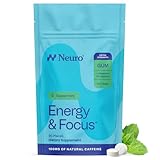
- Fast-Acting Nootropic - Our energy supplements deliver an extra boost of energy and clarity with a blend of natural caffeine, L-theanine, and vitamin b6 & b12. Your go-to chewing gum for work, exercise, and daily focus!
- Clean Energy - Each piece of our sugar free gum delivers 100mg of natural caffeine from green coffee beans for a smooth energy boost without crashes or jitters.
- The Perfect Balance - With 60mg of L-theanine per piece, our energy and focus formula promotes enhanced focus and stress reduction to smooth energy boosts.
- How to Use - Chew one piece of the caffeine gum whenever focus or energy is lacking. Ideal for mornings, pre-workout, or afternoon slumps. Effects typically kick in within minutes thanks to optimal absorption through the mouth.
- Made by Neuro, Backed by Science - At Neuro, we combine neuroscience with clean, science backed ingredients to help you do more, think better, and feel your best every single day.
Fix it step-by-step (brew workflow)
This section is typically for brewing issues, but since the topic is physiological, we’ll adapt it to a “managing your coffee intake” workflow.
1. Assess Your Current Intake:
- What to do: Keep a log of how many cups of coffee (and other caffeinated beverages) you consume daily. Note the approximate size and strength.
- What “good” looks like: An awareness of your typical caffeine dose. For most adults, up to 400 mg of caffeine per day is considered safe.
- Common mistake: Underestimating total caffeine intake from various sources. How to avoid: Read labels on energy drinks, teas, and some medications.
2. Gradually Reduce Caffeine:
- What to do: If your intake is high, slowly cut back by about 25% each week. For example, if you drink four cups, try three for a week.
- What “good” looks like: A controlled decrease without severe withdrawal symptoms.
- Common mistake: Quitting cold turkey, which can lead to headaches, fatigue, and irritability. How to avoid: Make small, incremental changes.
3. Stay Hydrated with Water:
- What to do: For every cup of coffee you drink, aim to drink at least one full glass (8 oz) of water.
- What “good” looks like: Clear or light-yellow urine, indicating proper hydration.
- Common mistake: Relying solely on coffee for fluid intake. How to avoid: Keep a water bottle handy and sip throughout the day.
4. Eat Before or With Coffee:
- What to do: Consume a balanced meal or snack before or while drinking coffee.
- What “good” looks like: A steady release of energy without blood sugar spikes or dips.
- Common mistake: Drinking coffee on an empty stomach, which can exacerbate jitters and digestive upset. How to avoid: Pair your morning coffee with breakfast.
5. Switch to Lower Caffeine Options:
- What to do: Consider decaf, half-caf, or naturally lower-caffeine teas (like herbal teas) for some of your beverage choices.
- What “good” looks like: Enjoying a warm beverage ritual without the intense caffeine kick.
- Common mistake: Believing decaf has no caffeine. How to avoid: Understand that decaf still contains trace amounts, though significantly less.
6. Monitor Your Body’s Response:
- What to do: Pay close attention to how you feel after different amounts of coffee. Note any anxiety, jitters, or dissociative feelings.
- What “good” looks like: Understanding your personal caffeine threshold.
- Common mistake: Ignoring early warning signs of overconsumption. How to avoid: Listen to your body and adjust immediately if you feel unwell.
7. Incorporate Relaxation Techniques:
- What to do: If you feel anxious or detached, try deep breathing exercises, mindfulness, or a short walk.
- What “good” looks like: Calming your nervous system and reducing the intensity of symptoms.
- Common mistake: Panicking or ruminating on the feelings, which can worsen them. How to avoid: Have a few coping strategies ready to deploy.
8. Consult a Healthcare Professional:
- What to do: If dissociative feelings persist, are severe, or occur independently of coffee, talk to your doctor.
- What “good” looks like: Professional guidance and ruling out any underlying medical conditions.
- Common mistake: Self-diagnosing or ignoring persistent symptoms. How to avoid: Seek medical advice for concerning or prolonged issues.
Prevent it next time
- Monitor Caffeine Intake: Be mindful of the total caffeine from all sources.
- Hydrate Consistently: Drink plenty of water throughout the day, especially when consuming coffee.
- Eat Regularly: Avoid drinking coffee on an empty stomach to prevent blood sugar fluctuations.
- Know Your Limit: Understand your personal tolerance for caffeine and stick to it.
- Choose Lower Caffeine Options: Incorporate decaf or half-caf into your routine.
- Prioritize Sleep: Adequate rest can reduce sensitivity to caffeine’s negative effects.
- Manage Stress: Address underlying stress or anxiety, as caffeine can exacerbate these feelings.
- Regular Check-ins: Periodically assess how coffee affects you and adjust your habits as needed.
Common mistakes (and what happens if you ignore them)
| Mistake | What it causes | Fix |
|---|---|---|
| Drinking too much coffee too quickly | Overstimulation, anxiety, jitters, increased likelihood of dissociative feelings. | Reduce intake gradually; space out consumption. |
| Consuming coffee on an empty stomach | Blood sugar fluctuations, stomach upset, heightened caffeine effects. | Eat a meal or snack before or with your coffee. |
| Not drinking enough water | Dehydration, headaches, dizziness, amplified caffeine side effects. | Drink an 8 oz glass of water for every cup of coffee. |
| Ignoring personal caffeine sensitivity | Consistent negative side effects, including anxiety and dissociation. | Pay attention to your body’s signals and adjust intake. |
| Relying on coffee to overcome severe fatigue | Masking underlying sleep deprivation, worsening overall health. | Prioritize sleep and address root causes of fatigue. |
| Mixing coffee with other stimulants (e.g., energy drinks) | Dangerous levels of overstimulation, severe anxiety, heart palpitations. | Avoid combining multiple sources of high caffeine. |
| Not considering individual health conditions | Worsening of anxiety disorders, heart conditions, or other sensitivities. | Consult a doctor about caffeine intake with existing health issues. |
| Believing “stronger” coffee means more caffeine | Misunderstanding caffeine content (dark roasts often have less caffeine by volume than light roasts). | Research caffeine content by bean type and brew method. |
| Not taking caffeine breaks | Increased tolerance, reduced effectiveness, potential for withdrawal symptoms. | Consider occasional “caffeine reset” periods. |
Decision rules (simple if/then)
- If you feel jittery or anxious after coffee then reduce your serving size or switch to a lower caffeine option because your body is likely overstimulated.
- If you experience dissociative feelings primarily when drinking coffee on an empty stomach then always eat a meal or snack first because this can help stabilize blood sugar and mitigate caffeine’s impact.
- If you find yourself drinking coffee to stay awake after poor sleep then prioritize getting more rest because caffeine is a temporary fix and can worsen long-term fatigue and sensitivity.
- If you are consistently dehydrated despite drinking coffee then increase your plain water intake significantly because coffee is a diuretic and doesn’t fully count towards hydration.
- If your dissociative feelings are severe or occur even with low caffeine intake then consult a healthcare professional because there might be an underlying medical or psychological cause.
- If you notice these feelings intensify during periods of high stress then practice stress-reduction techniques alongside adjusting coffee intake because caffeine can amplify existing anxiety.
- If switching to decaf or half-caf coffee eliminates your dissociative feelings then your sensitivity is likely directly related to caffeine because this indicates caffeine as the primary trigger.
- If you frequently consume coffee with energy drinks or other stimulants then eliminate or significantly reduce these combinations because the cumulative stimulant effect can be dangerous.
- If you’ve tried reducing caffeine and hydrating but still feel detached then review your diet and overall lifestyle with a doctor because other factors might be contributing.
FAQ
Q: Can coffee directly cause dissociation?
A: While coffee doesn’t directly cause a clinical dissociative disorder, the overstimulation and anxiety induced by caffeine can lead to feelings of detachment, unreality, or being “out of body,” which are often described as dissociative.
Q: How much caffeine is too much if I experience these feelings?
A: This varies greatly by individual. For some, even a single strong cup might be too much, while others can tolerate more. If you experience dissociative feelings, your personal limit is likely lower than the general recommendation of 400 mg per day.
Q: Does the type of coffee matter?
A: The type of coffee (e.g., espresso, drip, cold brew) primarily affects the concentration and speed of caffeine delivery. A strong espresso or cold brew can deliver a large dose quickly, potentially leading to more acute effects than a slower-consumed drip coffee with the same total caffeine.
Q: Can decaf coffee cause these feelings?
A: It’s unlikely. Decaf coffee still contains trace amounts of caffeine (typically 2-15 mg per cup), but this is usually too low to cause significant overstimulation or dissociative feelings in most people, unless extremely sensitive.
Q: Are there other beverages that can cause similar effects?
A: Yes, any beverage high in caffeine or other stimulants (like energy drinks, certain teas, or pre-workout supplements) can cause similar feelings of anxiety, jitters, and potentially dissociation if consumed in excess.
Q: When should I be concerned and see a doctor?
A: If the dissociative feelings are severe, persist even after reducing caffeine, occur frequently without coffee, or significantly interfere with your daily life, it’s important to consult a healthcare professional.
What this page does NOT cover (and where to go next)
- Detailed medical diagnosis of dissociative disorders or anxiety disorders.
- Specific caffeine content for every coffee brand or type of bean.
- In-depth psychological interventions for managing anxiety.
- Comprehensive nutritional advice beyond basic hydration and eating with coffee.
- Home brewing techniques or coffee equipment reviews.