
Persistent Nausea After Coffee? Understanding the Causes
Quick answer
- Coffee’s acidity can upset your stomach.
- Caffeine can trigger nausea in sensitive folks.
- Drinking coffee on an empty stomach is a common culprit.
- The type of coffee bean and roast level matters.
- Some brewing methods can extract more stomach-irritating compounds.
- It might not be the coffee itself, but something you add.
Key terms and definitions
- Acidity: Refers to the pH level of coffee, which can range from mildly acidic to quite tart.
- Caffeine: A natural stimulant found in coffee beans, known for its energizing effects but also potential side effects.
- Gastric Upset: A general term for stomach discomfort, including nausea, bloating, or indigestion.
- Acid Reflux: When stomach acid flows back up into the esophagus, causing heartburn and sometimes nausea.
- Irritable Bowel Syndrome (IBS): A common disorder affecting the large intestine, where caffeine can be a trigger for symptoms like nausea.
- Stomach Lining: The protective layer inside your stomach. Certain coffee compounds can irritate it.
- Decaffeination Process: Methods used to remove caffeine from coffee beans, which can sometimes affect other compounds.
- Brewing Method: The technique used to extract coffee from grounds (e.g., drip, French press, espresso).
- Roast Level: How long and at what temperature coffee beans are roasted, impacting their flavor and chemical composition.
- Gut Microbiome: The community of microorganisms living in your digestive tract, which can be influenced by diet.
How it works
- Coffee contains compounds like chlorogenic acids. These can stimulate stomach acid production.
- Too much stomach acid can lead to heartburn and nausea. Especially if you’re prone to it.
- Caffeine itself can speed up digestion. For some, this is too fast, causing discomfort.
- It can also affect the lower esophageal sphincter. This muscle normally keeps acid down.
- Coffee can sometimes increase cortisol levels. This stress hormone can impact digestion.
- Certain oils in coffee can irritate the stomach lining. This is more common with darker roasts.
- The temperature of the coffee matters too. Very hot liquids can be harder on your stomach.
- Adding milk or cream can sometimes help buffer acidity. But for some, dairy causes its own issues.
- The way you brew can change what ends up in your cup. Some methods extract more of the “bad” stuff.
- Your individual gut health plays a big role. What bothers one person might be fine for another.
What affects the result
- Water Quality: Hard water or water with certain minerals can alter the extraction.
- Coffee Bean Origin: Different regions produce beans with varying acidity and flavor profiles.
- Roast Level: Lighter roasts tend to be more acidic. Darker roasts can have more bitter compounds.
- Grind Size: Too fine a grind can over-extract, leading to bitterness and potential stomach issues. Too coarse can under-extract, tasting weak.
- Brewing Method: Espresso, for example, uses pressure and hot water, which can extract different compounds than a slow drip.
- Water Temperature: Water that’s too hot can scorch the grounds, leading to bitter flavors and potentially more irritants.
- Coffee-to-Water Ratio: Using too much coffee grounds relative to water can create a very concentrated, potent brew.
- Freshness of Beans: Stale beans lose flavor and can develop off-notes. Old coffee might taste harsher.
- Additives: Sugar, artificial sweeteners, milk, cream, or syrups can all contribute to stomach upset for some.
- Time of Day: Drinking coffee on an empty stomach is a classic mistake. Food helps buffer the acidity.
- Individual Sensitivity: Some people are just more sensitive to caffeine or coffee’s acidic nature. Genetics play a part.
- Underlying Health Conditions: Issues like GERD, IBS, or ulcers can make you more susceptible to coffee’s effects.
Pros, cons, and when it matters
- Pro: Coffee offers a pleasant ritual and energy boost.
- Con: Acidity can trigger heartburn and nausea.
- Pro: Caffeine can improve focus and alertness.
- Con: Too much caffeine can lead to jitters and stomach cramps.
- Pro: Certain brewing methods highlight nuanced flavors.
- Con: Some methods, like French press, leave fine sediment that can irritate.
- Pro: Dark roasts often have a smoother, less acidic taste.
- Con: Dark roasts can contain higher levels of acrylamide, though its impact is debated.
- Pro: Cold brew coffee is significantly less acidic.
- Con: Cold brew takes a long time to make.
- Pro: Using a paper filter can remove more oils and sediment.
- Con: Paper filters can sometimes strip away desirable flavor compounds.
- Pro: Adding a pinch of salt can actually cut bitterness.
- Con: Adding too much salt is obviously not ideal.
- Pro: Switching to decaf can help if caffeine is the issue.
- Con: Decaf coffee still has some caffeine and acidity.
- Pro: Eating before coffee can make a huge difference.
- Con: Forgetting to eat before your morning cup is easy to do.
- Pro: Certain bean types, like Robusta, are higher in caffeine and can be harsher.
- Con: Arabica beans are generally smoother but can still cause issues for some.
- Pro: Exploring low-acid coffee options is a good move.
- Con: “Low-acid” coffee is relative; it’s not acid-free.
- Pro: Staying hydrated with water alongside coffee can help.
- Con: Relying solely on coffee for hydration is a bad idea.
Exploring low-acid coffee options is a good move if you’re experiencing nausea. Some brands are specifically formulated to be gentler on your stomach.
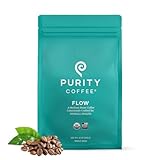
- OUR ORIGINAL HEALTHY COFFEE BLEND – Through relentless research, we've created a specialty-grade, antioxidant-rich organic medium roast specfically formulated to support your overall health and wellness. Rich in coffee's naturally protective polyphenols like chlorogenic acid, FLOW brings you all the benefits coffee has to offer with a rich, full-bodied flavor profile.
- CLEAN & PURE – Our USDA Certified organic coffee is defect-free specialty-grade, which is a standard of bean used in only 1% of the green coffee produced worldwide: regeneratively farmed, Rainforest Alliance, Smithsonian Bird Friendly, and third-party lab tested for harmful contaminants like mold, mycotoxins, pesticides, and heavy metals.
- TRULY HEALTHY COFFEE – Every batch of Purity Coffee boasts optimal levels of antioxidants, and is easy on the stomache. We are committed to maximizing wellness benefits throughout every step of the coffee production process. That's why we control our production chain from farming, sourcing, processing, roasting, and packaging.
- FRESHESS YOU CAN TASTE – When you receive your Purity Coffee, it will taste as fresh as the day it was roasted. To preserve freshness, we flush coffee bags with nitrogen and get oxygen levels down to 1-2% to prevent oxidation and staleness.
- SUSTAINABLY FARMED, RESPONSIBLY ROASTED – As a Certified B corp, our coffee is regeneratively farmed, Rainforest Alliance Certified & Smithsonian Bird Friendly. We are committed to using renewable and sustainable materials and processes wherever possible.
Common misconceptions
- Myth: All coffee is inherently bad for your stomach.
- Reality: Many factors influence coffee’s effect on your gut. It’s not one-size-fits-all.
- Myth: Dark roast coffee is always the most acidic.
- Reality: Lighter roasts are generally more acidic. Darker roasts can be more bitter.
- Myth: If you get nausea, you have to quit coffee forever.
- Reality: Often, small adjustments to your brewing or habits can solve the problem.
- Myth: Cold brew is a magic bullet for all stomach issues.
- Reality: While less acidic, it’s not a cure-all and still contains caffeine.
- Myth: Adding sugar fixes coffee’s acidity.
- Reality: Sugar doesn’t neutralize acid; it just masks bitterness.
- Myth: Only cheap coffee causes stomach problems.
- Reality: Expensive specialty coffee can still cause issues if you’re sensitive.
- Myth: The only cause of coffee nausea is caffeine.
- Reality: Acidity and other compounds play a significant role.
- Myth: You need a fancy machine to make stomach-friendly coffee.
- Reality: Simple methods like drip or pour-over can be adjusted.
- Myth: If you feel sick, it’s definitely the coffee’s fault.
- Reality: Other factors in your diet or health could be contributing.
- Myth: All decaf coffee is the same.
- Reality: Different decaffeination processes can leave different compounds behind.
FAQ
Can coffee make you nauseous all day?
Yes, if you’re particularly sensitive to caffeine or coffee’s acidity, or if you drink it on an empty stomach, the effects can linger. It’s about how your body processes those compounds.
Is it the caffeine or the acidity causing my nausea?
It’s often a combination of both. Caffeine can speed up digestion and stimulate acid production, while the inherent acidity of coffee can directly irritate your stomach lining.
What’s the best way to reduce coffee’s acidity?
Try darker roasts, cold brew methods, or using a paper filter. Some people also find adding a touch of baking soda (a tiny pinch!) can help, but check with a doc first.
Should I avoid coffee if I have acid reflux?
Many people with acid reflux find coffee triggers their symptoms. It’s often recommended to limit or avoid it, or try low-acid options and see how you feel.
Does adding milk or cream help with nausea?
For some, yes. Dairy can buffer the acidity. For others, dairy itself can be a trigger, so it depends on your personal tolerance.
Is there a specific coffee bean type that’s easier on the stomach?
Generally, Arabica beans are smoother and less bitter than Robusta. However, roast level and processing matter more than just the bean type.
How long does coffee-induced nausea typically last?
This varies greatly. For mild sensitivity, it might pass in an hour or two. For more severe reactions, it could last for several hours, especially if you’re sensitive to caffeine’s effects.
What are some alternatives if coffee consistently makes me nauseous?
You could try herbal teas, chicory root beverages, or even decaf coffee if caffeine is the main issue. Some find green tea a good middle ground.
Can brewing method really impact stomach upset?
Absolutely. Espresso’s high pressure and temperature extract different compounds than a slow pour-over. Cold brew is significantly less acidic due to the lack of heat.
What if I’m nauseous after drinking coffee but feel fine with tea?
This strongly suggests caffeine or coffee’s specific compounds (like chlorogenic acids) are the culprits, rather than just the hot beverage itself.
What this page does NOT cover (and where to go next)
- Specific medical diagnoses for stomach issues. (Consult a healthcare professional for any persistent health concerns.)
- Detailed chemical breakdowns of coffee compounds. (Explore coffee science resources for in-depth analysis.)
- Brand-specific recommendations for low-acid coffee. (Look for reviews and guides focused on coffee brands.)
- Recipes for coffee drinks that might be easier on the stomach. (Search for “stomach-friendly coffee recipes”.)
- The long-term health effects of moderate coffee consumption. (Refer to nutritional science journals or health organization websites.)