
How Coffee Can Increase Feelings of Anxiety
Quick answer
- Caffeine is the main culprit. It’s a stimulant that affects your central nervous system.
- For some, this stimulation can cross the line into jitters and anxiety.
- It’s not just about how much you drink, but also your personal sensitivity.
- Genetics play a big role in how your body processes caffeine.
- Other factors like stress levels and sleep can amplify the effects.
- Understanding your limits is key to enjoying coffee without the side effects.
Key terms and definitions
- Caffeine: A natural stimulant found in coffee beans, tea leaves, and cacao pods. It blocks adenosine, a neurotransmitter that makes you feel tired.
- Adenosine: A neurotransmitter that promotes relaxation and sleepiness. Caffeine’s inhibition of adenosine leads to increased alertness.
- Central Nervous System (CNS): The brain and spinal cord. Caffeine stimulates the CNS, leading to increased heart rate and alertness.
- Cortisol: A stress hormone. Caffeine can trigger the release of cortisol, which can contribute to feelings of anxiety.
- Anxiety: A feeling of worry, nervousness, or unease, typically about an imminent event or something with an uncertain outcome.
- Stimulant: A substance that raises levels of physiological or nervous activity in the body.
- Genetics: The inherited traits that influence how your body functions, including caffeine metabolism.
- Tolerance: The reduced response to a drug after repeated use. Your body can build a tolerance to caffeine over time.
- Withdrawal: Symptoms experienced when stopping caffeine intake after regular use, such as headaches and fatigue.
- Sensitivity: How strongly your body reacts to a substance like caffeine. Some people are naturally more sensitive than others.
How it works
- Coffee contains caffeine, a potent stimulant.
- Caffeine blocks adenosine receptors in your brain. Adenosine normally signals your brain to slow down.
- Blocking adenosine leads to increased neural activity. This makes you feel more awake and alert.
- This increased activity can also trigger the release of adrenaline (epinephrine).
- Adrenaline is the “fight or flight” hormone. It prepares your body for action.
- For some, this adrenaline surge can manifest as physical symptoms of anxiety. Think racing heart, shaky hands, and a sense of unease.
- Caffeine also affects other neurotransmitters like dopamine, which can influence mood.
- The speed at which your liver metabolizes caffeine plays a huge role. This is largely determined by your genes.
- If caffeine stays in your system longer, its effects, including anxiety, can last longer.
- It’s a complex interplay of brain chemistry and individual biology.
What affects the result
- Caffeine Content: Different coffees have varying caffeine levels. Dark roasts generally have less caffeine than light roasts, contrary to popular belief.
- Brewing Method: Espresso, for instance, is concentrated but served in small amounts. Drip coffee is less concentrated but you might drink more of it.
- Amount Consumed: Obvious, but crucial. A double espresso hits different than a single.
- Individual Sensitivity: Some folks can down a pot and sleep like a baby. Others get the jitters from a single cup. Genetics are wild.
- Metabolism Rate: How fast your liver breaks down caffeine. Slower metabolism means effects linger.
- Time of Day: Drinking coffee late can mess with sleep, amplifying anxiety later.
- Stress Levels: If you’re already wound up, caffeine can push you over the edge.
- Sleep Quality: Poor sleep makes you more susceptible to caffeine’s negative effects.
- Medications: Certain drugs can interact with caffeine metabolism. Always check with your doc.
- Hydration: Dehydration can sometimes make you feel more jittery.
- Food Intake: Drinking coffee on an empty stomach can lead to a faster absorption and stronger effect.
- Tolerance Build-up: Regular drinkers might experience less anxiety than occasional drinkers.
Pros, cons, and when it matters
- Pro: Increased Alertness: Coffee helps many people power through the morning. It’s a classic for a reason.
- Con: Jitters and Anxiety: For sensitive individuals, it can cause palpable unease and nervousness.
- Pro: Improved Focus: Many find coffee sharpens their concentration. Great for tackling tough tasks.
- Con: Sleep Disruption: Drinking too late can wreck your night’s rest, leading to a vicious cycle.
- Pro: Mood Enhancement: Caffeine can boost dopamine, leading to temporary feelings of well-being.
- Con: Digestive Issues: Some people experience stomach upset or acid reflux from coffee.
- Pro: Antioxidants: Coffee contains beneficial antioxidants. Good for your cells, apparently.
- Con: Dependency and Withdrawal: Skipping your morning cup can lead to headaches and fatigue.
- Pro: Social Ritual: Meeting for coffee is a common and enjoyable social activity.
- Con: Exacerbated Anxiety Disorders: For those with pre-existing anxiety, coffee can worsen symptoms significantly.
- Pro: Physical Performance Boost: Many athletes use coffee for an energy and endurance edge.
- Con: Heart Palpitations: In some individuals, caffeine can cause a noticeable racing or irregular heartbeat.
- When it matters: If you have a history of anxiety or panic attacks, tread carefully. If you’re sensitive, maybe stick to decaf or half-caff. If you’re trying to sleep well, avoid it after lunch.
Common misconceptions
- Myth: Dark roasts have more caffeine. Nope. Lighter roasts generally pack more punch. Go figure.
- Myth: Coffee causes anxiety disorders. It doesn’t cause them, but it can definitely trigger or worsen symptoms in susceptible people.
- Myth: Decaf coffee has zero caffeine. It has a small amount, usually less than 10mg per cup, but it’s not zero.
- Myth: Everyone reacts to caffeine the same way. Absolutely not. Genetics and personal sensitivity are huge factors.
- Myth: You can “sweat out” too much caffeine. Not really. Your body has to metabolize it. Hydration helps, but it won’t magically erase the effects.
- Myth: Coffee is dehydrating. While it has a mild diuretic effect, it’s usually not enough to cause significant dehydration when consumed in moderation.
- Myth: Caffeine is only found in coffee. Nope. Tea, chocolate, some sodas, and even some medications contain caffeine.
- Myth: If you drink coffee regularly, you won’t feel anxious. Tolerance can reduce some effects, but it doesn’t eliminate the potential for anxiety, especially at higher doses.
- Myth: If you get jitters, you just need to drink more. Bad idea. That’s your body telling you it’s had enough.
- Myth: Adding cream and sugar cancels out the caffeine. It might slow absorption slightly, but the caffeine is still there.
FAQ
Can coffee make me feel anxious even if I don’t normally have anxiety?
Yes. Caffeine is a stimulant that can trigger anxiety-like symptoms in anyone, especially at higher doses or if you’re particularly sensitive.
How much coffee is too much for anxiety?
This varies wildly. For most adults, up to 400mg of caffeine daily (about 4 cups of brewed coffee) is generally considered safe. But if you feel anxious, cut back.
Is there a specific type of coffee that’s less likely to cause anxiety?
Generally, lower caffeine coffees or decaf options are better. Light roasts tend to have more caffeine than dark roasts, which is counterintuitive.
What if I get heart palpitations after drinking coffee?
This is a sign to cut back or stop. Palpitations can be a symptom of caffeine sensitivity and should be taken seriously.
Can I drink coffee if I have a diagnosed anxiety disorder?
It’s best to talk to your doctor. Many people with anxiety disorders find they need to significantly limit or avoid caffeine altogether.
Does the time of day I drink coffee matter for anxiety?
Yes. Drinking coffee later in the day can disrupt sleep, and poor sleep can worsen anxiety symptoms.
What are the signs I might be too sensitive to coffee?
Jitters, racing heart, nervousness, trouble sleeping, stomach upset, or feeling on edge after just one cup are common signs.
Is there anything I can do to mitigate coffee’s anxiety-provoking effects?
Drinking it with food, staying hydrated, and not drinking it on an empty stomach can help. But for some, avoidance is the only real solution.
If you’re looking to manage your caffeine intake more precisely, consider exploring caffeine supplements. They offer a controlled way to get your caffeine without the added variables of coffee.
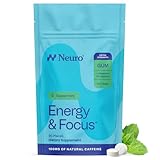
- Fast-Acting Nootropic - Our energy supplements deliver an extra boost of energy and clarity with a blend of natural caffeine, L-theanine, and vitamin b6 & b12. Your go-to chewing gum for work, exercise, and daily focus!
- Clean Energy - Each piece of our sugar free gum delivers 100mg of natural caffeine from green coffee beans for a smooth energy boost without crashes or jitters.
- The Perfect Balance - With 60mg of L-theanine per piece, our energy and focus formula promotes enhanced focus and stress reduction to smooth energy boosts.
- How to Use - Chew one piece of the caffeine gum whenever focus or energy is lacking. Ideal for mornings, pre-workout, or afternoon slumps. Effects typically kick in within minutes thanks to optimal absorption through the mouth.
- Made by Neuro, Backed by Science - At Neuro, we combine neuroscience with clean, science backed ingredients to help you do more, think better, and feel your best every single day.
What this page does NOT cover (and where to go next)
- Specific medical advice for anxiety disorders. Consult a healthcare professional for diagnosis and treatment.
- Detailed comparisons of specific coffee bean origins and their caffeine content. Explore coffee varietals.
- Advanced brewing techniques for different coffee makers. Dive into home brewing methods.
- The long-term health benefits or risks of coffee consumption beyond anxiety. Research general coffee health effects.
- Legal regulations or recommended daily limits for caffeine intake in different countries. Check local health guidelines.