
Nausea From Coffee: When Too Much Is Too Much
Quick answer
- Yes, drinking too much coffee can definitely make you feel nauseous.
- High caffeine intake is a common culprit, stimulating the digestive system too much.
- Coffee’s acidity can also irritate the stomach lining, leading to discomfort.
- Factors like drinking coffee on an empty stomach or sensitivity to certain compounds can contribute.
- Adjusting your coffee intake, brewing method, or adding milk can help mitigate nausea.
Key terms and definitions
- Caffeine: A natural stimulant found in coffee beans that affects the central nervous system.
- Acidity: The pH level of coffee, which can range from mildly acidic to more pronounced.
- Gastrointestinal (GI) Tract: The series of organs in the body responsible for digesting food and absorbing nutrients.
- Stimulant: A substance that increases physiological or nervous activity.
- Empty Stomach: Consuming food or drink without having eaten a meal beforehand.
- Digestive System: The network of organs that break down food into usable nutrients.
- Irritant: A substance that causes inflammation or discomfort.
- Tolerance: The body’s reduced response to a substance after repeated exposure.
- Brewing Method: The technique used to extract coffee flavor from grounds, such as drip, pour-over, or espresso.
- Grounds: Finely or coarsely crushed coffee beans used for brewing.
How it works
- Caffeine stimulates the release of gastrin, a hormone that increases stomach acid.
- Increased stomach acid can lead to heartburn, indigestion, and nausea, especially in sensitive individuals.
- Coffee can also relax the lower esophageal sphincter, the muscle that prevents stomach contents from backing up into the esophagus.
- This relaxation can contribute to acid reflux, which may manifest as nausea.
- The physical act of consuming a large volume of liquid quickly can also put pressure on the stomach.
- Certain compounds in coffee, beyond caffeine, can act as irritants to the stomach lining for some people.
- The effect is dose-dependent; a small amount might be fine, but a larger amount overwhelms the system.
- Caffeine’s stimulant effect can also increase heart rate and blood pressure, which in some cases can contribute to feelings of unease.
- For some, the aroma and taste of coffee can trigger a physiological response that includes nausea.
- The digestive process itself can be sped up by coffee, leading to quicker transit through the GI tract, which can sometimes cause discomfort.
What affects the result
- Amount of Coffee Consumed: Drinking several cups in a short period significantly increases the likelihood of nausea.
- Caffeine Content: Higher caffeine levels in your brew mean a stronger stimulant effect.
- Coffee Acidity: Darker roasts are often less acidic, while lighter roasts can be more so.
- Brewing Method: Espresso, with its concentrated nature, can be more potent than drip coffee.
- Grind Size: A very fine grind might lead to over-extraction, potentially increasing bitterness and compounds that can cause stomach upset.
- Water Temperature: Water that is too hot can over-extract coffee, leading to a more bitter and potentially irritating brew.
- Freshness of Beans: Stale beans can lose desirable flavors and develop others that might be less palatable or more irritating.
- Drinking on an Empty Stomach: Coffee’s effects are more pronounced when there’s no food to buffer its acidity and stimulant properties.
- Individual Sensitivity: Some people are naturally more sensitive to caffeine or the acidic compounds in coffee.
- Additives: Cream, milk, or sugar can sometimes buffer acidity, but artificial sweeteners might cause digestive issues for some.
- Hydration Levels: Being dehydrated before drinking coffee can exacerbate its effects.
- Recent Meals: The type and timing of your last meal can influence how your stomach handles coffee.
Pros, cons, and when it matters
- Pro: Mild Stimulation: A moderate amount of coffee can provide a gentle energy boost without negative side effects for most.
- Con: Digestive Upset: Excessive intake frequently leads to nausea, heartburn, or stomach cramps.
- Pro: Enhanced Focus: For many, coffee improves alertness and cognitive function when consumed responsibly.
- Con: Caffeine Overload: Too much caffeine can cause jitters, anxiety, and a racing heart, which can contribute to nausea.
- Pro: Ritual and Enjoyment: The act of brewing and drinking coffee can be a pleasant part of a daily routine.
- Con: Acidic Irritation: Coffee’s natural acidity can be problematic for individuals with sensitive stomachs or conditions like GERD.
- Pro: Antioxidant Benefits: Coffee contains antioxidants that may offer health benefits.
- Con: Sleep Disruption: Consuming too much, especially later in the day, can interfere with sleep, leading to fatigue and potentially more stomach issues.
- Pro: Social Connection: Coffee shops and home brewing can be social activities.
- Con: Dependency: Regular high consumption can lead to caffeine dependence, with withdrawal symptoms including headaches and fatigue.
- When it matters: It matters when you’re preparing for an important task requiring focus but are prone to caffeine jitters. It matters if you have a history of stomach sensitivities or acid reflux. It matters when you’re trying to gauge your body’s reaction to a new brewing method or bean.
Common misconceptions
- Myth: All coffee is highly acidic. While coffee has acidity, the degree varies greatly by roast and bean type.
- Myth: Only caffeine causes nausea. Other compounds in coffee can also irritate the stomach lining.
- Myth: Cold brew coffee is never acidic. While cold brewing generally reduces perceived acidity, it still contains acids.
- Myth: Adding milk always solves stomach issues. For some, dairy can cause its own digestive problems.
- Myth: Nausea means the coffee is “bad.” It often means you’ve had too much for your system to handle.
- Myth: You can never get used to coffee’s effects. Tolerance to caffeine can develop over time, but sensitivity to acidity may not change.
- Myth: Instant coffee is less likely to cause nausea. The processing can sometimes alter compounds, but it still contains caffeine and acids.
- Myth: Decaf coffee is completely free of side effects. Decaffeinated coffee still contains trace amounts of caffeine and other compounds that can affect some individuals.
- Myth: Nausea is solely a psychological reaction. While it can be, physiological responses to caffeine and acidity are well-documented.
- Myth: All coffee makers produce the same level of acidity. The brewing process itself can influence the extraction of acidic compounds.
FAQ
Q: Can drinking coffee on an empty stomach make me feel nauseous?
A: Yes, drinking coffee on an empty stomach is a common trigger for nausea. Without food to buffer the acidity and slow caffeine absorption, the stomach can become irritated more easily.
Q: Is it the caffeine or the acidity that causes nausea?
A: It can be either, or a combination of both. Caffeine stimulates stomach acid production, while the inherent acidity of coffee can directly irritate the stomach lining. Individual sensitivity plays a large role.
If you’re trying to manage caffeine intake without giving up coffee entirely, understanding the role of caffeine versus acidity is key; some people opt for caffeine supplements to control dosage more precisely.
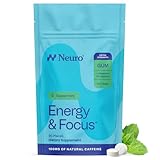
- Fast-Acting Nootropic - Our energy supplements deliver an extra boost of energy and clarity with a blend of natural caffeine, L-theanine, and vitamin b6 & b12. Your go-to chewing gum for work, exercise, and daily focus!
- Clean Energy - Each piece of our sugar free gum delivers 100mg of natural caffeine from green coffee beans for a smooth energy boost without crashes or jitters.
- The Perfect Balance - With 60mg of L-theanine per piece, our energy and focus formula promotes enhanced focus and stress reduction to smooth energy boosts.
- How to Use - Chew one piece of the caffeine gum whenever focus or energy is lacking. Ideal for mornings, pre-workout, or afternoon slumps. Effects typically kick in within minutes thanks to optimal absorption through the mouth.
- Made by Neuro, Backed by Science - At Neuro, we combine neuroscience with clean, science backed ingredients to help you do more, think better, and feel your best every single day.
Q: How much coffee is “too much” to cause nausea?
A: This varies greatly from person to person. For some, one cup might be enough, while others can tolerate several. Pay attention to your body’s signals.
Q: Are lighter roasts more likely to cause nausea than darker roasts?
A: Generally, yes. Lighter roasts tend to be more acidic and often have higher caffeine levels, both of which can contribute to nausea. Darker roasts are typically less acidic.
Q: Can I still enjoy coffee if it makes me feel nauseous?
A: You may be able to by making adjustments. Try drinking coffee with food, opting for a less acidic brew (like a darker roast or cold brew), reducing your intake, or using a dairy or non-dairy creamer.
If coffee consistently causes you discomfort, exploring coffee alternatives might be a good way to enjoy a warm beverage without the side effects.
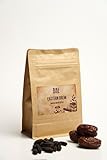
- CLOSE TO COFFEE TASTE: Experience a delightful Turkish-style sip with this coffee substitute; its flavor profile is made from healthy date seeds but resembles traditional coffee; perfect for those seeking a non coffee alternative
- CAFFEINE-FREE DELIGHT: Enjoy the rich aroma crafted from decaffeinated date seeds, you can enjoy the delicious taste of coffee without compromising on taste or experiencing side effects from caffeine
- VEGAN FRIENDLY CHOICE: Our herbal beverage is ideal for vegans or those following a plant-based diet; enjoy the closer-to-coffee taste without any animal products
- EASY TO MAKE: Our coffee alternative is made just like regular Turkish coffee; simply add one to two teaspoons of our ground Eastern Brew to your cezve filled with water for a perfect brew
- ORGANIC & HEALTHY: A healthy coffee alternative, date seeds are a natural source of antioxidants and polyphenols, which may help promote heart health; gluten-free, no artificial ingredients, colors, or flavors
Q: Does espresso cause more nausea than drip coffee?
A: Espresso is more concentrated, meaning you get more caffeine and other compounds in a smaller volume. This can lead to nausea for some, especially if consumed quickly or in large amounts.
Q: What should I do if I feel nauseous after drinking coffee?
A: Stop drinking coffee. Drink some water, eat a bland snack like toast or crackers, and try to relax. If symptoms persist or are severe, consult a healthcare professional.
If you frequently experience nausea after coffee, consider keeping some anti-nausea remedies on hand for quick relief.

- GINGER TRAVEL LOZENGES FOR NAUSEA: Our lozenges help to quickly and effectively provide relief from motion sickness and nausea.*
- BENEFITS OF GINGER: Ginger has been used for thousands of years to relieve occasional nausea.
- DRUG AND SUGAR FREE: No nasties. Our Ginger lozenges are both drug and sugar free.
- NATURAL CHOICE FOR NAUSEA RELIEF: We carry an array of natural options for morning & motion sickness & anti-nausea, including acupressure wristbands, ginger gum, lozenges & aromatherapy rollettes.
- HSA/FSA Approved
Q: Can my body build up a tolerance to coffee, making nausea less likely?
A: Yes, your body can develop a tolerance to caffeine over time, meaning you might need more to feel its effects. However, this doesn’t necessarily mean you’ll become less sensitive to coffee’s acidity.
What this page does NOT cover (and where to go next)
- Detailed nutritional breakdowns of different coffee beans.
- Specific medical advice for chronic digestive issues.
- Comparisons of specific coffee maker brands or models.
- In-depth analysis of the chemical compounds in coffee beyond caffeine and acidity.