
Making Iced Tea In Your Coffee Maker
Quick answer
- Yes, you can use most drip coffee makers to brew hot tea concentrate for iced tea.
- Use a higher tea-to-water ratio than you would for hot tea.
- Brew the tea directly over ice in a pitcher.
- Ensure your coffee maker is clean to avoid coffee flavors in your tea.
- Experiment with different tea types and steep times.
- Be aware that some delicate teas might not fare as well as robust black teas.
Who this is for
- Coffee lovers who also enjoy iced tea and want to simplify their brewing process.
- Home cooks looking for a convenient way to make large batches of iced tea.
- Anyone with a standard drip coffee maker who wants to try a new beverage.
What to check first
Brewer type and filter type
Most standard drip coffee makers are suitable for brewing tea. The key is that it heats water and dispenses it over grounds or leaves. You’ll likely use the same basket and filter you use for coffee. If you have a reusable metal filter, it’s generally fine for tea. Paper filters also work. For loose-leaf tea, a finer mesh filter or a paper filter can help prevent small particles from getting into your brew.
Most standard drip coffee makers are suitable for brewing tea, making them a versatile kitchen appliance. If you’re looking for a reliable option, consider a quality drip coffee maker like this one.
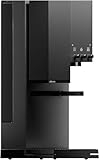
- 1. Three Levels of Automation for Any Skill Level: Choose from Autopilot, Copilot, or Free Solo mode. Autopilot handles the entire brewing process automatically. Copilot provides step-by-step guidance. Free Solo gives you full manual control. This coffee machine works for beginners and professional baristas alike.
- 2. Intuitive User Interface with Tactile Knobs and LED Matrix: The Studio features physical control knobs and a clear LED Matrix display. You can adjust grind size, water temperature, and flow rate in real time without navigating complicated touchscreen menus.
- 3. Full Customization via the xBloom App: Use the xBloom app to create, adjust, save, and share your favorite coffee recipes. Every brewing parameter can be fine-tuned and synced to the machine instantly. Your perfect cup is saved and repeatable.
- 4. Compostable xPod System for Minimal Waste and Maximum Flavor: Each xPod contains carefully selected whole beans and a built-in filter. Tap the recipe card, pour the beans into the grinder, place the pod into the dock, and press start. No capsules, no extra paper filters, no unnecessary waste.
- 5. What Is Included in the Box: The package includes the xBloom Studio, Omni Dripper 2 with Hyperflow Bottom, 10 paper filters, xPod Dock, Magnetic Dosing Cup, default recipe card, quick start guide, cleaning brush, universal power cord, and a 2-Year xbloom brand warranty. Everything you need is included—along with long-term peace of mind.
Water quality and temperature
The quality of your water significantly impacts the taste of your tea, just as it does for coffee. Using filtered water or good-tasting tap water is recommended. Your coffee maker heats the water to the appropriate brewing temperature, typically between 195°F and 205°F, which is ideal for extracting flavor from tea leaves.
Grind size and coffee freshness
For tea, you won’t be grinding it, but the “form” of the tea matters. Tea leaves can be whole, broken, or in tea bags. Whole leaf teas may require a slightly longer steep time or a coarser filter. Tea bags are the most convenient for this method. Ensure your tea is relatively fresh for the best flavor; old tea can taste flat or stale.
Coffee-to-water ratio
This is perhaps the most crucial adjustment for making iced tea in a coffee maker. You’ll need to brew a much stronger concentrate than you would for hot tea. A common starting point is to use about twice the amount of tea leaves or bags compared to what you’d use for the same volume of hot tea. For example, if you normally use one tea bag per 8 oz of hot water, try using two for 8 oz of brewing water.
Cleanliness/descale status
This is paramount. If your coffee maker has recently brewed coffee, there will be residual oils and flavors. Thoroughly cleaning your coffee maker before brewing tea is essential to prevent a coffee-and-tea hybrid. Run a cleaning cycle with water or a descaling solution (following your manufacturer’s instructions), then run a few cycles of plain water to rinse. A clean machine ensures your iced tea tastes like tea, not coffee.
Step-by-step (brew workflow)
1. Clean your coffee maker: Run a cleaning cycle with water or a descaling solution, followed by a plain water rinse.
- What “good” looks like: No coffee residue or cleaning solution smell.
- Common mistake: Skipping this step, leading to coffee-flavored tea.
- How to avoid it: Always clean thoroughly before brewing tea.
2. Prepare your pitcher: Place a pitcher filled with ice directly on the warming plate or where the carafe normally sits. The amount of ice will depend on how much iced tea you want to make and how strong you want it. A good starting point is to fill your desired serving pitcher about halfway with ice.
- What “good” looks like: A pitcher ready to receive hot liquid without tipping.
- Common mistake: Not having enough ice, resulting in a weak, watery tea.
- How to avoid it: Pre-fill your pitcher with ice before starting the brew cycle.
3. Add tea to the filter basket: Place your tea bags or loose-leaf tea into the coffee maker’s filter basket. Use more tea than you would for hot tea – roughly double the amount. For example, use 4-6 tea bags or tablespoons of loose leaf tea for a standard 8-10 cup coffee maker brew cycle.
- What “good” looks like: Tea is evenly distributed in the filter basket.
- Common mistake: Under-leafing/bagging, leading to weak tea.
- How to avoid it: Err on the side of more tea; you can always adjust next time.
4. Add water to the reservoir: Fill the coffee maker’s water reservoir with cold, filtered water. Use the amount of water that corresponds to the strength you desire after it melts the ice. For instance, if you want 6 cups of iced tea, you might put 3 cups of water in the reservoir, assuming the ice will melt and dilute it to 6 cups.
- What “good” looks like: The correct amount of water for your desired final volume.
- Common mistake: Adding too much water, resulting in weak tea that’s too diluted.
- How to avoid it: Think about the final volume desired and account for ice melt.
5. Start the brew cycle: Turn on your coffee maker as you normally would.
- What “good” looks like: The machine begins heating and dispensing water.
- Common mistake: Forgetting to turn it on or stopping the cycle prematurely.
- How to avoid it: Double-check that the power is on and the cycle is running.
6. Brewing process: The hot water will drip through the tea leaves/bags and onto the ice in the pitcher. This process rapidly cools the tea concentrate.
- What “good” looks like: Hot liquid is steadily dripping into the pitcher, and the ice is slowly melting.
- Common mistake: The drip rate is too fast or too slow, indicating a potential clog or an issue with the machine.
- How to avoid it: Ensure the coffee maker is functioning correctly; if it’s slow, it might need descaling.
7. Remove tea leaves/bags: Once the brew cycle is complete, carefully remove the filter basket containing the used tea leaves or bags.
- What “good” looks like: The basket is empty of tea and ready for disposal/cleaning.
- Common mistake: Leaving the tea in too long after brewing, which can lead to bitterness.
- How to avoid it: Remove the basket immediately after the dripping stops.
8. Stir and serve: Stir the iced tea concentrate and melted ice well. Taste and adjust sweetness if desired with simple syrup or sugar. Serve immediately or chill further in the refrigerator.
- What “good” looks like: A well-mixed, chilled beverage.
- Common mistake: Not stirring enough, leading to uneven sweetness or temperature.
- How to avoid it: Stir thoroughly before serving.
Common mistakes (and what happens if you ignore them)
| Mistake | What it causes | Fix |
|---|---|---|
| Not cleaning the coffee maker first | Coffee flavor contaminates the tea; bitter or off-tastes. | Run a cleaning cycle with water or descaling solution, followed by plain water rinses. |
| Using too little tea | Weak, watery, and flavorless iced tea that is too diluted. | Double the amount of tea leaves or bags you would typically use for hot tea. |
| Using too much ice | Over-diluted tea that lacks flavor and strength. | Start with about half the volume of your pitcher filled with ice and adjust as needed. |
| Not brewing a concentrate | The final iced tea will be weak because the ice melts and dilutes it. | Brew with a higher tea-to-water ratio, assuming the ice will dilute it. |
| Using stale or poor-quality tea | Flat, dull, or unpleasant taste in your iced tea. | Use fresh, good-quality tea leaves or bags for the best flavor. |
| Leaving tea bags/leaves in too long | Over-extraction, leading to a bitter and astringent taste. | Remove the filter basket immediately after the brewing cycle is complete. |
| Using hard or chlorinated tap water | Off-flavors in the tea, masking the natural tea taste. | Use filtered water or good-tasting bottled water. |
| Not stirring after brewing | Uneven concentration, sweetness, and temperature throughout the pitcher. | Stir the iced tea thoroughly after brewing to ensure consistency. |
| Using a coffee maker with a warming plate | Can scorch the tea if left on too long after brewing, causing a burnt taste. | Turn off the warming plate immediately after brewing or remove the pitcher promptly. |
| Using delicate teas like white or green | Can sometimes produce bitter or less robust flavors compared to black teas. | Experiment with shorter brew times or slightly cooler water if possible (though coffee makers are fixed). |
Decision rules (simple if/then)
- If your iced tea tastes like coffee, then you likely didn’t clean your coffee maker thoroughly enough because residual coffee oils are the culprit.
- If your iced tea is too weak, then you need to use more tea leaves or bags in the next batch because the dilution from ice requires a stronger initial brew.
- If your iced tea is bitter, then you may have over-extracted the tea; try removing the filter basket sooner or using slightly less tea next time because over-steeping releases tannins.
- If your iced tea tastes flat, then your tea might be old or of poor quality, so try using fresher, higher-quality tea because freshness is key to good flavor.
- If your iced tea is too diluted, then you used too much ice or not enough tea, so adjust your ice amount or tea quantity accordingly because the ice melt needs to be balanced with the tea concentrate.
- If you are using loose leaf tea, then consider using a finer mesh filter or paper filter to prevent sediment in your final brew because small particles can pass through a coarse filter.
- If your coffee maker has a warming plate, then turn it off or remove the pitcher promptly to avoid scorching the tea because prolonged heat can create a burnt taste.
- If your iced tea has an off-flavor, then check your water quality and consider using filtered water because poor water can impart unpleasant tastes.
- If you want a sweeter iced tea, then add simple syrup or sugar to taste after brewing because it’s easier to adjust sweetness when the tea is already brewed.
- If you are brewing a large batch, then consider using a coffee maker with a larger capacity to avoid multiple brews because consistency is easier with a single batch.
FAQ
Can I use any type of tea in my coffee maker?
Generally, yes. Most standard drip coffee makers can brew black, green, herbal, and oolong teas. However, some delicate teas like white tea might yield a less vibrant flavor compared to brewing them traditionally.
How much tea should I use for iced tea?
You’ll need to brew a concentrate. As a starting point, use about twice the amount of tea you would normally use for hot tea. For example, if you use 2 tea bags for a pot of hot tea, use 4 for iced tea.
Will my iced tea taste like coffee?
It might if you don’t clean your coffee maker thoroughly beforehand. Residual coffee oils and flavors can transfer. Always run a cleaning cycle with water and then a plain water rinse before brewing tea.
What is the best way to sweeten my iced tea?
The easiest way is to add sweetener (like simple syrup, granulated sugar, or honey) to taste after the tea has brewed and cooled slightly. Stir well to ensure it dissolves completely.
How much ice should I use?
Fill your pitcher about halfway with ice before you start brewing. This allows the hot tea concentrate to cool rapidly and dilute to your desired strength as the ice melts. You can adjust this amount in future brews.
Should I use tea bags or loose leaf tea?
Both work well. Tea bags are convenient for coffee maker brewing. If using loose leaf tea, ensure you have a filter that can handle it, or use a paper filter to catch fine particles.
What if my coffee maker has a warming plate?
It’s best to turn off the warming plate immediately after brewing or remove the pitcher promptly. Leaving the tea on the warming plate for too long can cause it to scorch and develop a bitter, burnt flavor.
Can I make decaf iced tea this way?
Absolutely. You can use decaffeinated tea bags or loose leaf tea just as you would their caffeinated counterparts to make a decaf iced tea concentrate.
What this page does NOT cover (and where to go next)
- Specific recommendations for the best tea types for coffee maker brewing (explore tea blogs and forums).
- Detailed instructions for descaling or cleaning specific coffee maker models (consult your brewer’s manual).
- Advanced tea brewing techniques like cold brewing or using specialized tea makers (research dedicated tea brewing methods).
- Recipes for flavored iced teas beyond simple sweetening (look for cocktail or mocktail recipe sites).