
Brewing Coffee Using Tea Bags
Quick Answer
- Yes, you can make coffee using tea bags, but it’s not the typical method.
- It’s a DIY approach, best for single cups when you’re out of your usual gear.
- You’ll need fine-ground coffee and a way to seal the bag.
- Expect a lighter brew than traditional methods.
- Experiment with grind size and coffee amount for best results.
- It’s a bit of a hack, but it works in a pinch.
Who This Is For
- Campers or travelers who want a single cup of coffee without their brewer.
- Anyone who’s run out of filters or forgot their coffee maker on a trip.
- Curious folks who like to experiment with unconventional brewing.
What to Check First
Brewer Type and Filter Type
- Brewer Type: This method bypasses traditional brewers. You’re essentially creating your own single-serve brewer.
- Filter Type: You’re using a tea bag as your filter. Make sure it’s clean and empty. Paper tea bags are common, but some reusable cloth ones work too. Avoid anything with a strong tea scent.
Water Quality and Temperature
- Water Quality: Use fresh, filtered water. Tap water with strong chlorine or mineral tastes will impact your coffee. Clean water makes for clean coffee.
- Temperature: Aim for water just off the boil, around 195-205°F. Too hot and you’ll scorch the grounds, making it bitter. Too cool, and you won’t extract enough flavor.
Grind Size and Coffee Freshness
- Grind Size: This is crucial. You want a fine to medium-fine grind, similar to what you’d use for an Aeropress or Moka pot. Too coarse, and water will rush through, giving you weak coffee. Too fine, and it might clog or over-extract, leading to bitterness.
- Coffee Freshness: Use freshly roasted and ground coffee if possible. Pre-ground coffee loses flavor quickly. Grind right before you plan to brew for the best taste.
Coffee-to-Water Ratio
- Ratio: This is where you’ll need to eyeball it. For a standard mug (8-10 oz), start with about 1-2 tablespoons of coffee grounds. It’s less precise than weighing, but it’s the reality of this method. Adjust based on how strong you like it.
Cleanliness/Descale Status
- Cleanliness: Even though you’re not using a machine, ensure your tea bag and any container you use for brewing are clean. No one wants stale or soapy coffee.
- Descale Status: Not applicable here, as there’s no machine to descale. But cleanliness is still king.
Step-by-Step: Brewing Coffee in Tea Bags
1. Gather your supplies: You’ll need empty tea bags, coffee grounds, a mug, and hot water. A spoon or string for sealing is handy too.
- What “good” looks like: Everything is clean and ready to go. No last-minute scrambling.
- Common mistake: Forgetting to grab empty tea bags. You can’t make coffee without a bag! Keep some stashed in your camping kit.
For this method, you’ll need empty tea bags. Consider stocking up on these convenient empty tea bags for all your DIY brewing needs.
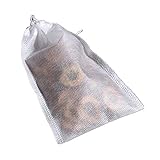
- ENDURING MATERIALS - Our empty tea bags made of non woven fabric, hold herbs and tea well without leakage, offering exceptional filtration capabilities
- VERSATILE USE - Our tea bags are ideal for batch brewing, loose leaf tea, cold brew coffee, bath tea, and foot tea. They can also be used as seasoning packs for cooking or for holding candies, herbs, soap, making lavender sachets, and packaging jewelry or small gifts.
- CONVENIENT FOR TEA - Our tea bags for loose leaf tea seal it off by string, draw string closure, simple to fill and steep
- DIMENSION - 3.93 ×5.91 inch / 100 mm x 150 mm, Quantity -100 Count,our tea bags are spacious, about the size of a standard smartphone
- REUSABLE - Our reusable tea bags hold herbs and tea well without leakage, and can be reused multiple times It is also suitable for holding candies, herbs, soap, or making lavender sachets, packaging jewelry, small gifts, etc.
2. Prepare the tea bag: Ensure the tea bag is completely empty and dry. If it has a drawstring, make sure it’s loose enough to fill.
- What “good” looks like: A clean, open bag ready for coffee.
- Common mistake: Using a bag that still smells like tea. Rinse it out if needed and let it dry.
3. Add coffee grounds: Spoon your desired amount of coffee grounds into the tea bag. Start with about 1-2 tablespoons for an 8-10 oz mug.
- What “good” looks like: The grounds are evenly distributed in the bag, not packed too tightly.
- Common mistake: Overfilling the bag. This makes it hard to seal and can lead to grounds escaping.
The right grind size is crucial; a fine ground coffee, similar to espresso, will yield the best results. This fine ground coffee is perfect for achieving a rich, full-bodied brew in your tea bag.

- THE COFFEE YOU DESIRE - illy’s blend of fine Arabica ground coffee with a distinctive flavor, featuring a mild and balanced taste with notes of caramel, orange blossom, and jasmine.
- PREPARE COFFEE WITH EASE - Evoke a classic Italian beverage at any time. Coffee is to be freshly prepared and enjoyed immediately. Create the finest coffee experience in the comfort of your home.
- THE FINEST GROUND COFFEE - We select only the 1% of the finest beans, thanks to a devoted collaboration with growers who place maximum importance on quality and sustainability.
- WE BRING THE TASTE OF ITALY TO YOU - We’ve spent eight decades refining a singular, signature blend celebrated over the world as the pinnacle of what espresso coffee can be.
- SUSTAINABILITY IS OUR VISION - We pride ourselves on the constant focus on our environment and the community. We are part of a global movement with a common goal: to pave the way for a better, more liveable and more enlightened world.
4. Seal the tea bag: Fold over the top of the tea bag and secure it. You can use the drawstring, tie it with a string, or even staple it carefully (if using paper bags and a clean staple).
- What “good” looks like: A securely closed bag that won’t burst open during brewing.
- Common mistake: Not sealing it well enough. A loose bag means coffee grounds in your mug, which is not ideal.
5. Heat your water: Heat fresh, filtered water to just off the boil (195-205°F).
- What “good” looks like: Water that’s steaming but not violently bubbling.
- Common mistake: Using boiling water. This can burn the coffee and create a bitter taste. Let it sit for 30 seconds after it boils.
6. Place the bag in the mug: Put the sealed tea bag into your empty mug.
- What “good” looks like: The bag sits comfortably in the mug, ready for water.
- Common mistake: Trying to brew without the bag in the mug. You’ll just have loose grounds.
7. Pour hot water over the bag: Slowly pour about half of your hot water over the coffee bag, ensuring it’s fully submerged. Let it bloom for about 30 seconds.
- What “good” looks like: The coffee grounds expand and bubble slightly as they release CO2.
- Common mistake: Pouring all the water at once. Blooming helps release trapped gases for better flavor.
8. Continue pouring water: Gently pour the remaining hot water into the mug, keeping the bag submerged.
- What “good” looks like: The mug is filled to your desired level, with the bag doing its thing.
- Common mistake: Agitating the bag too much. Gentle movements are fine, but vigorous stirring can release sediment.
9. Steep the coffee: Let the bag steep for 3-5 minutes, depending on how strong you like your coffee.
- What “good” looks like: The water turns a rich brown color as the coffee brews.
- Common mistake: Steeping for too short a time. You won’t get much flavor. Too long, and it can get bitter.
10. Remove the tea bag: Carefully lift the tea bag out of the mug. You can gently squeeze it against the side of the mug to get a little extra liquid, but don’t overdo it.
- What “good” looks like: The bag is removed, leaving you with brewed coffee.
- Common mistake: Squeezing the bag too hard. This can force bitter compounds and fine grounds into your coffee.
11. Discard the grounds: Dispose of the used coffee-filled tea bag.
- What “good” looks like: A clean workspace and a used bag ready for composting or trash.
- Common mistake: Leaving the bag in the mug. It will continue to brew and make your coffee bitter.
12. Enjoy your coffee: Add cream or sugar if you like, and savor your makeshift brew.
- What “good” looks like: A delicious cup of coffee made with ingenuity.
- Common mistake: Being disappointed. It’s a hack, not a high-end espresso. Appreciate the effort!
Common Mistakes (and What Happens If You Ignore Them)
| Mistake | What it causes | Fix |
|---|---|---|
| Using boiling water | Scorched, bitter coffee | Let water cool for 30 seconds after boiling. |
| Not sealing the bag properly | Coffee grounds in your mug | Fold and tie securely, or use a staple if necessary. |
| Overfilling the tea bag | Grounds escaping, poor water flow | Fill bag only halfway to allow expansion and proper brewing. |
| Using stale or pre-ground coffee | Flat, dull flavor | Grind beans fresh just before brewing. |
| Not blooming the coffee | Under-extraction, weak flavor | Let grounds soak for 30 seconds before adding remaining water. |
| Squeezing the tea bag hard | Bitter coffee, sediment | Gently press against the side, or skip squeezing altogether. |
| Using a tea-scented bag | Your coffee tastes like tea | Use a clean, scent-free bag. Rinse and dry if necessary. |
| Steeping for too long | Bitter, over-extracted coffee | Stick to 3-5 minutes, adjust based on taste. |
| Using too coarse a grind | Water passes through too quickly, weak coffee | Use a fine to medium-fine grind. |
| Using tap water with bad taste | Off-flavors in your coffee | Use filtered or bottled water. |
| Not cleaning the tea bag | Lingering flavors from previous use (if reusable) | Ensure any reusable bag is thoroughly cleaned. |
Decision Rules
- If your coffee tastes bitter, then reduce steeping time or use slightly cooler water because over-extraction causes bitterness.
- If your coffee tastes weak, then use more coffee grounds or a finer grind because insufficient extraction leads to a thin brew.
- If you see grounds in your mug, then you didn’t seal the bag well enough or squeezed it too hard, so focus on a tighter seal next time.
- If the water flows too fast, then your grind is too coarse, so try a finer grind for better contact time.
- If your coffee tastes “off” or like something else, then the tea bag likely had residual scent or flavor, so use a fresh, clean bag.
- If you want a stronger cup, then add more coffee grounds to the bag, rather than just steeping longer.
- If you’re camping and forgot your brewer, then this tea bag method is a viable alternative for a single cup because it requires minimal gear.
- If you’re concerned about sediment, then avoid squeezing the bag and consider using a slightly coarser grind.
- If your coffee is too acidic, then try slightly hotter water (closer to 205°F) because higher temperatures can help extract more of the coffee’s body.
- If you’re making coffee for more than one person, then this method becomes impractical, so consider a pour-over or French press for multiple servings.
FAQ
Can I use regular tea bags for coffee?
Yes, you can use empty, clean tea bags. Just make sure they are thoroughly rinsed and free of any tea residue or scent.
What kind of coffee grounds should I use?
A fine to medium-fine grind works best. Think espresso or Aeropress grind. Too coarse, and your coffee will be weak. Too fine, and it might clog or over-extract.
How much coffee should I put in a tea bag?
Start with 1 to 2 tablespoons of grounds per 8-10 ounces of water. You can adjust this based on your preference for strength.
Will my coffee taste like tea?
It might if the tea bag isn’t completely clean. Always use a fresh, rinsed bag to avoid transferring tea flavors to your coffee.
Is this method good for everyday use?
Probably not. It’s more of a travel hack or a solution for when you’re in a pinch. Traditional methods generally yield better, more consistent results.
Can I reuse a coffee tea bag?
It’s not recommended. Used grounds lose their flavor and can become stale, leading to a poor-tasting cup if re-brewed.
How long should I steep the coffee bag?
Steep for about 3 to 5 minutes. You can adjust this time based on how strong you like your coffee.
What if I don’t have a way to seal the tea bag?
You can often tie it with a clean string or even carefully use a staple if it’s a paper bag. Just ensure it’s secure.
What This Page Does Not Cover (and Where to Go Next)
- Detailed comparisons of different coffee bean origins and their flavor profiles.
- Advanced brewing techniques like siphon or cold brew methods.
- Specific recommendations for grinders, kettles, or scales.
- The science behind coffee extraction and solubility.
- Troubleshooting issues with electric coffee makers or espresso machines.