
Making Coffee In A Plastic Cup Safely
Quick answer
- Yes, you can make coffee in a plastic cup, but it’s generally not the best idea for safety and taste.
- Many single-use plastics can leach chemicals when heated, especially with hot coffee.
- Reusable, BPA-free plastic cups are a safer bet for hot beverages.
- Always check the manufacturer’s guidelines for any plastic container you consider using.
- For the best and safest brew, stick to ceramic, glass, or stainless steel.
For those who prefer plastic, consider investing in quality heat-resistant plastic tumblers that are specifically designed for hot beverages and are BPA-free.
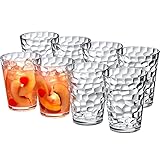
- [DRINK HEALTHY] Made of food-grade high-quality plastic. BPA-free and lead-free. Top-rack dishwasher safe.
- [DRINK FRESH] With its large capacity, the tumbler is ideal for your favorite cold drinks: juice, lemonade, fruit infused water, iced tea, iced coffee, punch, sangria, and more.
- [DRINK SAFE] The plastic drinking glasses are shatter-proof and break-resistant. Also, with its sturdy construction, they are safe and durable for your everyday use.
- [DRINK EVERYWHERE] Suitable for use indoors and outdoors. Great for gatherings, parties, barbecues. A must-have for home, office, kitchens, restaurants, bars, pools.
- [DRINK IN STYLE] Modern and sleek design. Crystal-clear and shiny. A perfect item for entertaining and gifting.
What this problem usually is (and is not)
This isn’t about whether your coffee maker itself is plastic. Most are. This is about using a separate plastic cup to brew coffee in, or to hold hot coffee from your machine.
- It’s about the potential for heat to break down certain plastics.
- It’s about chemicals that might not be great to ingest.
- It’s generally not about the inherent danger of all plastic, just specific types and conditions.
- It’s not about coffee tasting bad because of the cup, though that can happen too.
- It’s not about making coffee directly in a flimsy disposable cup you got at a gas station. That’s a hard no.
Likely causes (triage list)
When people ask “can you make coffee in a plastic cup?”, they’re usually worried about two main things: safety and taste. Let’s break it down.
Plastic Type and Heat:
- Is the plastic labeled? Look for recycling numbers (1-7) and specific warnings. Some plastics are food-grade and heat-resistant, others aren’t.
- Is it designed for hot liquids? Cups meant for cold drinks will likely warp or leach when hit with 180-200°F coffee.
- Is it a single-use disposable cup? These are almost always a bad idea for hot beverages. They’re thin and not built for heat.
- Is it a reusable plastic cup? If it’s BPA-free and explicitly states it’s safe for hot drinks, it’s much better.
Chemical Leaching:
- What are the ingredients? Plastics can contain various additives. Some are known to leach into food and drinks, especially when heated.
- How long is the contact time? Coffee sitting in a plastic cup for a long time increases the chance of leaching.
- What’s the temperature? Hotter liquids accelerate the process.
Taste Contamination:
- Does the plastic have a smell? If the cup smells “plasticky,” that’s a sign it might impart flavor to your coffee.
- Has the cup been used for other things? Storing non-food items in a cup can lead to flavor transfer.
Fix it step-by-step (brew workflow)
If you absolutely have to use a plastic cup, here’s how to do it with the least risk. But seriously, consider a different vessel.
1. Choose your plastic cup wisely.
- What to do: Select a reusable plastic cup that is clearly marked as BPA-free and safe for hot beverages. Think travel mugs or sturdy tumblers.
- What “good” looks like: The cup feels solid, doesn’t have a strong chemical smell, and the manufacturer confirms it’s okay for hot liquids.
- Common mistake: Grabbing any old plastic cup from the cupboard.
- Avoid it by: Checking the bottom for symbols and reading any labels. If in doubt, don’t use it.
2. Inspect the cup.
- What to do: Look for any scratches, cracks, or signs of wear.
- What “good” looks like: The cup is smooth and intact.
- Common mistake: Using a cup that’s seen better days.
- Avoid it by: Being a little picky. Damaged plastic is more likely to leach.
3. Wash the cup thoroughly.
- What to do: Wash with hot, soapy water and rinse well.
- What “good” looks like: The cup is clean and free of any residue or lingering smells.
- Common mistake: Just giving it a quick rinse.
- Avoid it by: Giving it a proper scrub. Sometimes, a new plastic item has a manufacturing smell that needs washing out.
4. Preheat the cup (optional, but good practice).
- What to do: Pour a little hot water into the cup and let it sit for a minute, then discard the water.
- What “good” looks like: The cup is warm to the touch.
- Common mistake: Skipping this step, leading to a cooler drink faster.
- Avoid it by: Remembering that preheating helps maintain your coffee’s temperature.
5. Brew your coffee.
- What to do: Brew your coffee using your preferred method (drip, pour-over, etc.) into the plastic cup, if that’s your plan. Or, brew into a carafe and then pour into the plastic cup.
- What “good” looks like: Hot, delicious coffee filling your cup.
- Common mistake: Brewing directly into a flimsy disposable cup.
- Avoid it by: Using the sturdy, heat-safe plastic cup as the final destination.
6. Drink promptly.
- What to do: Enjoy your coffee soon after brewing.
- What “good” looks like: You’re sipping on fresh, hot coffee.
- Common mistake: Letting coffee sit in the plastic cup for hours.
- Avoid it by: Making coffee when you’re ready to drink it. Longer contact time increases leaching risk.
7. Clean immediately after use.
- What to do: Wash the cup with hot, soapy water as soon as possible.
- What “good” looks like: The cup is clean and ready for its next use, without coffee stains or residue.
- Common mistake: Leaving the cup dirty in the sink.
- Avoid it by: Making a habit of cleaning it right away. Stains can set in.
Prevent it next time
- Clean your plastic cups regularly. Wash with soap and hot water after each use.
- Check for damage. Discard any cups with cracks or deep scratches.
- Use only heat-rated plastic. If it doesn’t say “hot liquids safe,” assume it’s not.
- Avoid single-use plastics for hot drinks. These are generally not designed for repeated heating.
- Store plastic cups properly. Keep them away from heat sources and strong odors.
- Consider alternatives. Glass, ceramic, or stainless steel are always safer and better for taste.
- Don’t leave hot coffee sitting in plastic for extended periods. Drink it or transfer it.
- If it smells like plastic, it might taste like plastic. Wash it again or use a different cup.
Common mistakes (and what happens if you ignore them)
| Mistake | What it causes | Fix |
|---|---|---|
| Using a single-use disposable plastic cup | Leaching of chemicals, potential warping or melting of the cup. | Switch to a heat-safe, reusable cup or a non-plastic alternative. |
| Using a plastic cup not rated for hot drinks | Leaching of chemicals, potential deformation of the cup, unpleasant taste. | Use only cups specifically labeled as safe for hot beverages. |
| Not checking for BPA-free labeling | Potential exposure to BPA, which some people prefer to avoid. | Look for “BPA-Free” on the packaging or the cup itself. |
| Leaving hot coffee in plastic for hours | Increased risk of chemical leaching into the coffee. | Drink promptly or transfer to a more stable material like ceramic. |
| Using a scratched or damaged plastic cup | Leaching can be more significant from damaged surfaces. | Discard damaged plastic cups and replace them. |
| Not washing a new plastic cup before use | Manufacturing residues or plastic smell can transfer to your coffee. | Wash thoroughly with soap and hot water before the first use. |
| Storing coffee grounds or beans in plastic | Plastic can absorb odors and transfer them to your coffee. | Use airtight, opaque containers (glass, ceramic, metal) for coffee beans. |
| Brewing directly into a very thin plastic | The heat can be too much, leading to deformation or worse. | Brew into a proper carafe and then pour into a suitable plastic cup. |
| Ignoring a “plasticky” smell | That smell is often a sign of compounds that can affect taste and safety. | Wash vigorously or, better yet, use a different cup. |
Decision rules (simple if/then)
- If the plastic cup is thin and disposable, then do not use it for hot coffee because it’s not designed for that heat.
- If the plastic cup is not labeled as BPA-free, then consider using a different cup if you’re concerned about BPA exposure.
- If the plastic cup has any cracks or deep scratches, then do not use it for hot coffee because damaged plastic is more prone to leaching.
- If the plastic cup smells strongly of plastic, then it’s best to avoid using it for coffee because that smell can indicate compounds that affect taste and potentially safety.
- If the plastic cup is only marked with a recycling symbol (e.g., #1, #3, #6), then be cautious, as these are often not suitable for hot liquids.
- If the plastic cup is specifically labeled as “dishwasher safe” and “for hot beverages,” then it’s likely a safe choice for your coffee.
- If you brew coffee and it tastes “off” or plasticky after using a plastic cup, then that’s a clear sign the cup is not suitable.
- If you’re unsure about the plastic’s safety for hot liquids, then err on the side of caution and use a ceramic, glass, or stainless steel mug instead.
- If you plan to let your coffee sit for a long time, then definitely avoid using a plastic cup as the vessel.
- If you’re making coffee for kids or anyone particularly sensitive, then it’s even more important to stick to known safe materials like glass or ceramic.
FAQ
Can I make instant coffee in a plastic cup?
Instant coffee requires hot water. If the plastic cup isn’t rated for hot liquids, it’s not a good idea. Use a BPA-free, heat-safe reusable plastic cup or a traditional mug.
Will my coffee maker’s plastic parts leach chemicals?
Most coffee makers use plastics designed to withstand the heat of brewing. Reputable manufacturers test these. However, if you notice a plastic smell or taste from your machine, check the manual or contact the manufacturer.
Is it safe to reheat coffee in a plastic cup?
Reheating is generally riskier than brewing. Avoid reheating coffee in any plastic cup, especially if it wasn’t originally designed for high heat.
What’s the deal with BPA?
BPA (Bisphenol A) is a chemical used in some plastics. Concerns exist about its potential health effects. Many manufacturers now offer “BPA-free” products.
Does the color of the plastic matter?
The color itself isn’t the primary indicator of safety. It’s the type of plastic and its additives that are more important. Always check for heat ratings and BPA-free labels.
What are the safest materials for coffee cups?
Ceramic, glass, and stainless steel are generally considered the safest and best for preserving the taste of your coffee.
Can I use a plastic travel mug for my commute coffee?
Yes, if it’s a reusable travel mug specifically designed for hot beverages and is BPA-free. Always check the manufacturer’s recommendations.
What if my plastic cup gets stained?
Stubborn stains can sometimes be removed with a paste of baking soda and water, or a specialized plastic cleaner. However, if a cup is heavily stained or smells off, it might be time to replace it.
What this page does NOT cover (and where to go next)
- Detailed chemical analysis of specific plastics.
- Brand-specific recommendations for plastic cups.
- How to repair damaged plastic cups.
- The environmental impact of different cup materials.
- Advanced coffee brewing techniques that might involve specialized equipment.