
How To Make Coffee From Whole Beans
Quick answer
- Grind your beans just before brewing.
- Use a burr grinder for consistency.
- Match grind size to your brewing method.
- Fresh beans are key. Aim for beans roasted within the last month.
- Water quality matters. Filtered is usually best.
- Dial in your coffee-to-water ratio. Start around 1:15.
For the best flavor, always aim for coffee beans roasted within the last month. Freshly roasted beans make a noticeable difference in your cup.
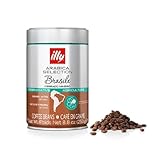
- Explore the individual taste and distinct aroma of each single origin Arabica coffee, found in the legendary illy blend, each highlighting the singular style, culture and flavor of these distinctive geographic region
- Carefully selected and meticulously roasted, illy coffee beans invoke a sensual beauty and poetry in the passionate coffee lover.
- Our unique pressurized coffee packaging preserves the flavor and complexity of the illy blend while enhancing the coffee’s aroma and ensuring optimal freshness.
- Each pressurized can contains 8.8oz of Whole Bean MonoArabica Brazil Single Origin Coffee.
- If you are not completely satisfied with your illy purchase, we will refund your order. No questions asked.
Who this is for
- Anyone who just bought whole beans and wonders if they can brew them directly.
- Home baristas looking to up their coffee game.
- Coffee lovers who want to taste the difference fresh grinding makes.
What to check first
Brewer type and filter type
Know what you’re working with. Is it a drip machine, French press, pour-over, AeroPress, or something else? Each needs a different grind and often a different filter (paper, metal, cloth). A paper filter will catch more fines than a metal one, which can affect the taste.
Water quality and temperature
Your coffee is mostly water, so it needs to be good. Tap water can have off-flavors that get into your brew. Filtered water is a safe bet. For temperature, aim for 195-205°F. Too hot, and you’ll scorch the grounds. Too cool, and you won’t extract enough flavor.
Grind size and coffee freshness
This is huge. Whole beans need to be ground. Freshness is king. Beans go stale fast after grinding. Aim for beans roasted within the last month, ideally within two weeks. Grind right before you brew. Stale grounds taste flat.
Coffee-to-water ratio
This is your recipe. A common starting point is 1:15 – that means 1 gram of coffee for every 15 grams (or ml) of water. For an 8 oz cup (about 237 ml), you’d use roughly 16 grams of coffee. Adjust to your taste. Too strong? Use less coffee or more water. Too weak? Flip it.
Cleanliness/descale status
Your brewer needs to be clean. Old coffee oils can turn rancid and make your fresh brew taste bitter. If you have a drip machine, descale it regularly. For manual brewers, a good wash after each use is usually enough.
Step-by-step (brew workflow)
1. Gather your gear.
- What “good” looks like: Everything is clean and ready to go. No searching for filters or your favorite mug.
- Common mistake: Not having your grinder clean. Old grounds can ruin your fresh cup. Give it a quick brush out.
2. Weigh your whole beans.
- What “good” looks like: You’ve measured the exact amount of whole beans needed for your brew. Using a scale is best for consistency.
- Common mistake: Guessing the amount. This leads to inconsistent brews. Eyeballing is fine for a quick cup, but a scale is where the magic happens.
Using a scale is best for consistency when measuring your whole beans. This leads to more consistent brews and is where the magic happens for dialing in your perfect cup.

- 𝗕𝗮𝗿𝗶𝘀𝘁𝗮-𝗟𝗲𝘃𝗲𝗹 𝗣𝗿𝗲𝗰𝗶𝘀𝗶𝗼𝗻: Featuring a 0.1 g sensor with rapid refresh rates, this coffee weight scale responds instantly to changes, giving you fine control over extraction for consistent pour-over and espresso results.
- 𝗜𝗻𝘁𝗲𝗴𝗿𝗮𝘁𝗲𝗱 𝗕𝗿𝗲𝘄 𝗧𝗶𝗺𝗲𝗿: This espresso weight scale includes a built-in timer to track bloom and extraction with count-up or down control, and auto shutoff extends battery life between sessions.
- 𝗗𝘂𝗿𝗮𝗯𝗹𝗲, 𝗦𝗽𝗶𝗹𝗹-𝗥𝗲𝘀𝗶𝘀𝘁𝗮𝗻𝘁 𝗕𝘂𝗶𝗹𝗱: A heat-resistant, dishwasher-safe silicone cover with an engineered fit shields the platform from spills and hot gear. The grooved surface stabilizes your brewing setup, making it an ideal scale for coffee.
- 𝗩𝗲𝗿𝘀𝗮𝘁𝗶𝗹𝗲 𝗠𝗲𝗮𝘀𝘂𝗿𝗲𝗺𝗲𝗻𝘁 𝗢𝗽𝘁𝗶𝗼𝗻𝘀: Quick-tare and multiple units - g, oz, lb, ml, and fl oz - make this small coffee scale ideal for weighing beans, shots, or everyday kitchen ingredients.
- 𝗜𝗻𝘁𝘂𝗶𝘁𝗶𝘃𝗲, 𝗪𝗼𝗿𝗸𝗳𝗹𝗼𝘄-𝗙𝗼𝗰𝘂𝘀𝗲𝗱 𝗗𝗲𝘀𝗶𝗴𝗻: A bright, easy-to-read display and simple controls keep your brewing routine smooth. Designed for clarity and clean operation, it also serves as a compact matcha scale.
3. Heat your water.
- What “good” looks like: Water is heating up to the ideal brewing temperature range (195-205°F). A kettle with a thermometer is handy.
- Common mistake: Using boiling water. This can scald your coffee grounds and create bitterness. Let it sit for 30 seconds off the boil.
4. Grind your beans.
- What “good” looks like: You’re grinding your beans to the correct size for your brewer, right before you add them to the filter. It should smell amazing.
- Common mistake: Grinding too early. Pre-ground coffee loses flavor fast. Grind just before brewing.
5. Prepare your brewer and filter.
- What “good” looks like: Your filter is in place, and if it’s a paper filter, you’ve rinsed it with hot water. This removes paper taste and preheats the brewer.
- Common mistake: Not rinsing paper filters. That papery taste can really mess with your coffee. A quick rinse fixes it.
6. Add ground coffee to the brewer.
- What “good” looks like: The grounds are evenly distributed in the filter or chamber.
- Common mistake: Tamping down grounds too hard (in methods where it’s not intended). This can create channels and uneven extraction.
7. Bloom the coffee (for pour-over/drip).
- What “good” looks like: You’ve poured just enough hot water (about twice the weight of the coffee) to saturate all the grounds. They should bubble and expand.
- Common mistake: Skipping the bloom. This releases CO2 and helps ensure even saturation for better flavor.
8. Complete the brew.
- What “good” looks like: You’re following your brewer’s specific method, pouring water steadily and at the right pace. The aroma is filling the kitchen.
- Common mistake: Pouring too fast or too slow. This can lead to under-extraction (sour) or over-extraction (bitter).
9. Serve immediately.
- What “good” looks like: Your coffee is in your favorite mug, ready to be enjoyed.
- Common mistake: Letting brewed coffee sit on a hot plate. This cooks the coffee and makes it taste burnt.
Common mistakes (and what happens if you ignore them)
| Mistake | What it causes | Fix |
|---|---|---|
| Using pre-ground coffee | Flat, stale flavor; loss of aroma. | Grind beans right before brewing. |
| Inconsistent grind size (blade grinder) | Uneven extraction; both sour and bitter notes. | Use a burr grinder for uniform particle size. |
| Wrong grind size for brewer | Under-extraction (sour) or over-extraction (bitter). | Match grind size to brewer type (coarse for French press, fine for espresso). |
| Using stale beans | Lack of flavor, muted aroma, dull taste. | Buy beans roasted recently; store them properly. |
| Poor water quality | Off-flavors, metallic taste, dullness. | Use filtered water. |
| Incorrect water temperature | Scorched taste (too hot) or weak flavor (too cool). | Aim for 195-205°F. |
| Inconsistent coffee-to-water ratio | Coffee is too strong or too weak. | Use a scale to measure coffee and water. |
| Dirty equipment | Bitter, rancid taste; masked fresh coffee flavors. | Clean your brewer and grinder regularly. |
| Skipping the bloom | Uneven extraction, potential for sourness. | Pour a small amount of water to wet grounds and let them degas. |
| Over-agitating (French press) | Bitter, muddy cup. | Stir gently or not at all after the initial pour. |
Decision rules (simple if/then)
- If your coffee tastes sour, then you likely under-extracted it because your grind might be too coarse or your water too cool. Try grinding finer or increasing water temp slightly.
- If your coffee tastes bitter, then you likely over-extracted it because your grind might be too fine or your water too hot. Try grinding coarser or decreasing water temp slightly.
- If your drip machine coffee tastes weak, then check your coffee-to-water ratio. You might need more coffee or less water.
- If your French press coffee has a lot of sediment, then your grind is likely too fine for the metal filter. Try a coarser grind.
- If your pour-over is draining too fast, then your grind might be too coarse. Try a finer grind to slow it down.
- If your pour-over is draining too slowly, then your grind might be too fine. Try a coarser grind to speed it up.
- If your coffee has a papery taste, then you forgot to rinse your paper filter. Rinse it next time.
- If your coffee tastes like old coffee, then your beans are stale or your equipment is dirty. Check both.
- If you want a more intense flavor, then try a slightly higher coffee-to-water ratio (e.g., 1:14 instead of 1:15).
- If you want a lighter, more mellow cup, then try a slightly lower coffee-to-water ratio (e.g., 1:16 instead of 1:15).
- If you’re using a blade grinder and getting inconsistent results, then it’s time to invest in a burr grinder.
- If your coffee tastes “off” but you can’t pinpoint why, then run a cleaning cycle or descale your brewer.
FAQ
Can you really taste the difference between whole beans and pre-ground?
Absolutely. Whole beans retain their volatile aromatic compounds much longer. Once ground, these compounds escape quickly, leading to a flatter taste. Grinding right before brewing preserves that fresh, vibrant flavor.
How should I store whole coffee beans?
Keep them in an airtight container, away from light, heat, and moisture. A cool, dark pantry is ideal. Avoid the refrigerator or freezer; condensation can degrade the beans.
What’s the deal with “blooming” coffee?
Blooming is when you pour a small amount of hot water over fresh coffee grounds and let them sit for about 30 seconds. This allows trapped CO2 gas to escape, which leads to a more even extraction and better flavor in your final cup.
Is a burr grinder really that much better than a blade grinder?
Yes. A burr grinder grinds coffee beans into uniform particles, which is crucial for consistent extraction. Blade grinders chop beans inconsistently, creating both fine dust and large chunks, leading to a less balanced brew.
How do I know if my coffee is too bitter or too sour?
Bitterness usually means over-extraction (too fine a grind, too hot water, or too long brew time). Sourness usually means under-extraction (too coarse a grind, too cool water, or too short brew time).
What’s the best way to clean my coffee maker?
For drip machines, run a cleaning cycle with a descaling solution or vinegar/water mix regularly. For manual brewers, rinse thoroughly with hot water after each use and periodically scrub with soap and water.
Can I use my whole beans for espresso?
Yes, but espresso requires a very specific, fine grind. You’ll need an espresso-capable burr grinder and a machine designed for espresso brewing. It’s a different ballgame than drip coffee.
How often should I descale my coffee maker?
This depends on your water hardness and how often you brew. A good rule of thumb is every 1-3 months. If you notice slower brewing or mineral buildup, it’s time.
What this page does NOT cover (and where to go next)
- Specific brewing recipes for every single coffee maker model. (Check your brewer’s manual or manufacturer website.)
- Advanced espresso extraction techniques. (Look for resources on dialing in espresso shots.)
- Detailed discussions on coffee bean varietals and origins. (Explore coffee education sites or books.)
- Commercial-grade brewing equipment. (Consult specialty coffee equipment suppliers.)
- The science of coffee roasting. (Dive into roasting forums and articles.)