
How To Make A Cappuccino Using A Standard Coffee Maker
Quick answer
- Brew strong coffee using your drip coffee maker, aiming for a concentrated flavor.
- Heat and froth milk separately using a microwave, stovetop, or a handheld frother.
- Combine the strong coffee with the frothed milk, adding the foamy top last.
- A standard coffee maker cannot create espresso, so this method is an approximation.
- Use fresh, finely ground coffee for the best results in your drip machine.
- Experiment with coffee-to-water ratios to achieve the desired strength.
Who this is for
- Coffee lovers who want a cappuccino-like drink at home without an espresso machine.
- Individuals looking to elevate their standard drip coffee experience.
- Anyone on a budget or with limited kitchen space who still craves a milky coffee.
What to check first
Brewer type and filter type
For this method, you’ll be using a standard drip coffee maker. These machines brew by dripping hot water over ground coffee, allowing gravity to pull the brewed coffee through a filter into a carafe.
For this method, you’ll be using a standard drip coffee maker. If yours needs an upgrade, consider a reliable model like this one.
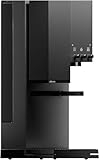
- 1. Three Levels of Automation for Any Skill Level: Choose from Autopilot, Copilot, or Free Solo mode. Autopilot handles the entire brewing process automatically. Copilot provides step-by-step guidance. Free Solo gives you full manual control. This coffee machine works for beginners and professional baristas alike.
- 2. Intuitive User Interface with Tactile Knobs and LED Matrix: The Studio features physical control knobs and a clear LED Matrix display. You can adjust grind size, water temperature, and flow rate in real time without navigating complicated touchscreen menus.
- 3. Full Customization via the xBloom App: Use the xBloom app to create, adjust, save, and share your favorite coffee recipes. Every brewing parameter can be fine-tuned and synced to the machine instantly. Your perfect cup is saved and repeatable.
- 4. Compostable xPod System for Minimal Waste and Maximum Flavor: Each xPod contains carefully selected whole beans and a built-in filter. Tap the recipe card, pour the beans into the grinder, place the pod into the dock, and press start. No capsules, no extra paper filters, no unnecessary waste.
- 5. What Is Included in the Box: The package includes the xBloom Studio, Omni Dripper 2 with Hyperflow Bottom, 10 paper filters, xPod Dock, Magnetic Dosing Cup, default recipe card, quick start guide, cleaning brush, universal power cord, and a 2-Year xbloom brand warranty. Everything you need is included—along with long-term peace of mind.
What to check: Ensure your coffee maker is clean and functioning correctly. The type of filter can impact the brew; paper filters provide a cleaner cup, while permanent mesh filters allow more oils to pass through, potentially adding body. For a cappuccino-style drink, a paper filter might be preferred for a cleaner base.
Water quality and temperature
Water makes up over 98% of your coffee, so its quality is paramount. Tap water can contain minerals and chlorine that affect taste.
What to check: Use filtered water if possible. Avoid distilled water, which lacks minerals necessary for good extraction. Most drip coffee makers heat water to an optimal range of 195-205°F, but if your machine brews cooler, your coffee might taste weak or sour.
Grind size and coffee freshness
The grind size significantly impacts extraction. For drip coffee, a medium grind is typically recommended. For a stronger brew, you might slightly adjust.
What to check: Use freshly roasted coffee beans, ideally ground just before brewing. Stale coffee loses its aromatic compounds. For a stronger base for your “cappuccino,” consider a slightly finer grind than usual for your drip machine, but be careful not to go too fine, which can lead to over-extraction and bitterness.
Coffee-to-water ratio
This ratio determines the strength of your brew. For a standard drip coffee, a common starting point is 1:15 to 1:17 (coffee to water by weight).
What to check: Since you’re aiming for a stronger coffee to stand up to milk, consider adjusting this ratio. A good starting point for a stronger brew might be 1:12 to 1:14. This means for every 1 gram of coffee, you use 12-14 grams of water. For example, if you use 30 grams of coffee, you’d use 360-420 ml (about 12-14 fl oz) of water.
Cleanliness/descale status
A dirty coffee maker can harbor old coffee oils and mineral deposits, leading to off-flavors and poor performance.
What to check: Regularly clean your coffee maker. Descale it every 1-3 months, depending on your water hardness, using a descaling solution or a vinegar-water mixture. A clean machine ensures optimal heating and flavor.
Step-by-step (brew workflow)
1. Prepare your coffee maker:
- What to do: Ensure your drip coffee maker is clean. Place a fresh paper filter in the brew basket.
- What “good” looks like: The brew basket is free of old grounds, and the water reservoir is clean.
- Common mistake and how to avoid it: Using an old, stained filter or a dirty brew basket can impart off-flavors. Always start with clean equipment.
2. Measure your coffee beans:
- What to do: Measure your whole bean coffee. For a stronger brew, aim for a ratio of about 1:12 to 1:14 (coffee to water). For example, for 12 fl oz (approx. 350ml) of water, use about 25-29 grams (4-5 tablespoons) of coffee.
- What “good” looks like: Accurate measurement using a kitchen scale for consistency.
- Common mistake and how to avoid it: Eyeballing coffee can lead to inconsistent strength. Use a scale for precision.
3. Grind your coffee:
- What to do: Grind your coffee beans to a medium-fine consistency, slightly finer than a typical drip grind but not as fine as espresso.
- What “good” looks like: The grounds should resemble coarse sand.
- Common mistake and how to avoid it: Grinding too fine can lead to over-extraction and bitterness; too coarse results in weak coffee. Adjust slightly to find your ideal.
4. Add coffee grounds to the filter:
- What to do: Pour the freshly ground coffee into the paper filter in the brew basket. Gently shake to level the bed of grounds.
- What “good” looks like: Grounds are evenly distributed, ensuring consistent water contact.
- Common mistake and how to avoid it: Uneven grounds can lead to channeling and uneven extraction. Level them out.
5. Add water to the reservoir:
- What to do: Fill the coffee maker’s water reservoir with filtered water, matching your desired coffee volume.
- What “good” looks like: Using fresh, filtered water for the best taste.
- Common mistake and how to avoid it: Using tap water can introduce off-flavors. Always use filtered water.
6. Start the brewing process:
- What to do: Turn on your coffee maker and let it brew a strong, concentrated coffee.
- What “good” looks like: The coffee brews steadily, producing a rich aroma.
- Common mistake and how to avoid it: Stopping the brew early for “stronger” coffee can lead to under-extraction and sourness. Let it complete its cycle.
7. Heat and froth your milk:
- What to do: While coffee brews, heat about 4-6 fl oz of milk (per serving) in a microwave, stovetop, or with a steaming wand if you have one. Aim for 140-150°F. Then, froth it using a handheld frother, whisk, or by shaking it vigorously in a jar until it doubles in volume.
- What “good” looks like: Milk is hot, sweet (from heating), and has a thick, creamy foam with tiny bubbles.
- Common mistake and how to avoid it: Overheating milk can scald it and ruin the flavor. Use a thermometer or remove from heat just as small bubbles form.
8. Combine coffee and frothed milk:
- What to do: Pour the strong, brewed coffee into your mug, filling it about one-third to halfway. Then, pour in the frothed milk, holding back the foam with a spoon. Finally, spoon the thick foam on top.
- What “good” looks like: A distinct layer of rich coffee, followed by creamy milk, and topped with a generous cap of foam.
- Common mistake and how to avoid it: Pouring all the milk and foam at once can make the drink too watery or destroy the layers. Pour milk first, then spoon foam.
9. Garnish (optional):
- What to do: Dust with cocoa powder or cinnamon, if desired.
- What “good” looks like: A visually appealing finish to your homemade “cappuccino.”
- Common mistake and how to avoid it: Overdoing the garnish can overpower the coffee flavor. Use sparingly.
Common mistakes when making a cappuccino with a coffee maker (and what happens if you ignore them)
| Mistake | What it causes | Fix |
|---|---|---|
| Using regular strength coffee | Drink tastes weak, watery, and coffee flavor is lost to milk. | Use a higher coffee-to-water ratio (e.g., 1:12-1:14) for a stronger brew. |
| Using stale or pre-ground coffee | Lack of aroma and nuanced flavor; tastes flat. | Buy whole beans and grind them just before brewing. |
| Grinding coffee too coarse | Under-extracted, sour, or weak coffee. | Grind slightly finer than typical drip, aiming for coarse sand consistency. |
| Overheating or scalding milk | Milk tastes burnt or has an unpleasant odor. | Heat milk gently to 140-150°F; use a thermometer or watch for steam. |
| Not frothing milk enough | Lack of creamy texture and distinct foam layer. | Use a handheld frother or whisk vigorously until milk doubles in volume. |
| Using low-fat or skim milk | Foam quickly dissipates, less rich flavor. | Whole milk or 2% milk froths best and provides better mouthfeel. |
| Not cleaning coffee maker | Bitter taste from old coffee oils, mineral buildup affects brewing. | Clean brew basket daily; descale every 1-3 months. |
| Adding cold milk to hot coffee | Lowers coffee temperature significantly; less enjoyable. | Always heat and froth milk before combining with hot coffee. |
| Pouring milk and foam all at once | No distinct layers; foam disperses quickly into the drink. | Pour milk first, then spoon foam on top for a classic look. |
| Using hard tap water | Off-flavors, mineral scale buildup in machine. | Use filtered water for brewing and descaling. |
Decision rules for your coffee maker cappuccino
- If your coffee tastes weak after adding milk, then increase your coffee-to-water ratio for the next brew because the coffee isn’t strong enough to stand up to the milk.
- If your frothed milk has large, airy bubbles, then you need to incorporate more air or froth longer because smaller, microfoam bubbles create a creamier texture.
- If your coffee tastes bitter, then check your grind size or brew time because it might be over-extracted.
- If your milk doesn’t froth well, then check its temperature and fat content because whole milk or 2% milk at 140-150°F froths best.
- If you want a sweeter “cappuccino,” then add a touch of sugar or syrup to the coffee before adding milk because it will dissolve better and integrate evenly.
- If your coffee maker takes a long time to brew, then consider descaling it because mineral buildup can slow down the water flow.
- If you prefer a stronger coffee flavor, then use a darker roast coffee because darker roasts tend to have a more pronounced, bolder taste.
- If you’re struggling to create good foam, then try a handheld electric frother because it’s an easy and effective tool for home milk frothing.
- If your “cappuccino” cools down too quickly, then pre-warm your mug before pouring because it helps maintain the drink’s temperature.
- If your coffee tastes sour, then try a slightly finer grind or ensure your water temperature is adequate because under-extraction often leads to sour notes.
FAQ
Q: Can a standard coffee maker really make a true cappuccino?
A: No, a standard drip coffee maker cannot produce espresso, which is the base for a true cappuccino. This method creates a strong coffee drink with frothed milk that approximates the style and experience of a cappuccino, but it won’t be identical.
Q: What kind of milk works best for frothing?
A: Whole milk or 2% milk typically froths best due to their fat content, which helps create a stable, creamy foam. Skim milk can produce a lot of foam, but it often dissipates quickly and lacks richness.
Q: How do I froth milk without a special frother?
A: You can heat milk on the stovetop or microwave, then whisk it vigorously with a whisk. Another method is to shake warm milk in a sealed jar until it’s frothy.
Q: How much coffee should I use for a strong brew?
A: A good starting point for a stronger brew in a drip coffee maker is a coffee-to-water ratio of 1:12 to 1:14. This means for every 1 gram of coffee, use 12-14 grams of water. Adjust to your taste preference.
Q: Why does my homemade “cappuccino” taste watery?
A: It likely tastes watery because your coffee base isn’t strong enough to balance the milk. Increase your coffee-to-water ratio or use a slightly finer grind to extract more flavor.
Q: Should I pre-wet the coffee filter before adding grounds?
A: Yes, it’s a good practice to rinse your paper filter with hot water before adding grounds. This removes any paper taste and pre-heats the brew basket, contributing to a better extraction.
Q: Can I use flavored coffee for this?
A: Absolutely! Using flavored coffee can add an extra dimension to your homemade “cappuccino,” especially if you enjoy notes like vanilla, hazelnut, or caramel.
Q: What’s the ideal temperature for frothed milk?
A: Aim for milk heated to about 140-150°F. This temperature brings out the milk’s sweetness without scalding it, which can produce an unpleasant taste.
What this page does NOT cover (and where to go next)
- Detailed espresso machine operation and maintenance.
- In-depth latte art techniques.
- Specific brand comparisons for coffee makers or frothers.
- Advanced coffee bean roasting profiles.
- Comprehensive guide to coffee plant cultivation.
- The history and cultural significance of cappuccinos.
