
Making Cappuccino With a Keurig Compact Coffee Maker
Quick answer
- A Keurig compact coffee maker can brew coffee that serves as the base for a cappuccino, but it cannot froth milk or create the signature foam on its own.
- You will need separate equipment to froth milk, such as a handheld frother, a French press, or a dedicated milk frothing machine.
- The strength of your brewed coffee is crucial; use a smaller cup size or a “strong” setting if available for a more concentrated base.
- Freshly ground coffee, even for K-Cups if you use a reusable filter, will yield better flavor for your cappuccino.
- Ensure your Keurig is clean and descaled for optimal brewing temperature and taste.
- The final cappuccino will be a DIY version, combining your Keurig-brewed coffee with frothed milk.
Who this is for
- Coffee drinkers who own a Keurig compact coffee maker and want to experiment with making cappuccinos at home.
- Individuals looking for a convenient way to brew coffee for a cappuccino without investing in a high-end espresso machine.
- Those willing to use additional tools to achieve the milk frothing component of a cappuccino.
What to check first
- Brewer type and filter type
Your Keurig compact coffee maker is a single-serve brewer. If you are using K-Cups, you are limited by the pre-packaged coffee. If you have a reusable filter, you can use your own ground coffee, which offers more control over the brew. The type of filter (paper or permanent) can subtly affect the coffee’s body and clarity.
- Water quality and temperature
Using filtered water is highly recommended. Tap water can contain minerals that affect taste and can lead to scale buildup in your Keurig, impacting its performance. While Keurig machines heat water to a specific temperature, it might be slightly lower than ideal for espresso extraction, but it’s generally sufficient for a strong coffee base. Aim for water that is hot but not boiling for optimal brewing.
- Grind size and coffee freshness
For K-Cups, the grind is pre-determined. If using a reusable filter, a medium grind is typically best for drip-style brewing. Freshly roasted and ground coffee will always provide the best flavor. Coffee loses its aroma and taste quickly after grinding, so grinding just before brewing is ideal for the richest flavor in your cappuccino base.
- Coffee-to-water ratio
With a Keurig, the coffee-to-water ratio is largely dictated by the pod or the brew size you select. To make a stronger coffee base for a cappuccino, choose the smallest brew size (e.g., 6 oz or 8 oz) or a “strong” brew setting if your model offers one. This concentrates the coffee flavor, which is essential to stand up to the milk.
- Cleanliness/descale status
A clean Keurig brews better-tasting coffee. Mineral deposits from water (scale) can clog the brewer and affect water temperature and flow. Regularly cleaning and descaling your machine according to the manufacturer’s instructions is crucial for consistent results and the longevity of your appliance.
Step-by-step (brew workflow)
1. Prepare your Keurig: Ensure the water reservoir is filled with fresh, filtered water.
- What “good” looks like: The water level is between the minimum and maximum fill lines, and the water is clear.
- Common mistake: Using old water from the reservoir. This can lead to stale coffee taste. Always use fresh water for each brew.
2. Select your coffee: Choose a K-Cup with a bold or dark roast, or if using a reusable filter, fill it with your favorite dark roast coffee, ground to a medium consistency.
- What “good” looks like: A K-Cup or reusable filter filled with coffee that smells fresh.
- Common mistake: Using a light roast or stale coffee. This will result in a weak, flavorless base that gets lost in the milk.
For a richer coffee flavor that stands up to milk and foam, consider using a bold dark roast K-Cup like these.

- DARKER ROAST FOR BOLDER DAYS: Meet the yin to your yang. While you grit your teeth through the daily grind, know this bold and delicious dark roast brew will have your back all day long.
- CERTIFIED FAIR TRADE AND ORGANIC: Our balanced blend of arabica beans for smooth flavor and robusta for natural strength will kick the midday crash to the curb. Beans are USDA Organic and Certified Fair Trade.
- RICH FLAVOR PROFILE: Taste profile of pleasant baker's chocolate and notes of cherries. Body: heavy, smooth. Acidity: low. Aroma: cocoa, cherry.
- FIERCELY STRONG COFFEE: Death Wish Coffee is made to fuel bold souls—and bold souls deserve high-quality ingredients. We harness the power of naturally high-caffeine robusta beans and blend them with smooth, balanced arabica beans to produce a bold, delicious brew.
- COMPATIBLE WITH KEURIG MACHINES: Single-serve pods are compatible with Keurig 1 & 2, Breville, Cuisinart and Mr. Coffee coffee machines.
3. Insert the K-Cup or fill the reusable filter: Place the K-Cup into the brewer or ensure your reusable filter is properly seated with the ground coffee.
- What “good” looks like: The K-Cup or filter is securely in place, and the brewer lid closes smoothly.
- Common mistake: Not seating the K-Cup correctly, which can lead to incomplete piercing or brewing issues.
4. Choose brew size and strength: Select the smallest brew size available on your Keurig (e.g., 6 oz or 8 oz) and engage the “strong” brew option if your machine has one.
- What “good” looks like: The indicator lights for your chosen size and strength are illuminated.
- Common mistake: Selecting a larger brew size. This dilutes the coffee too much for a cappuccino.
5. Place your mug: Position a sturdy mug on the drip tray.
- What “good” looks like: The mug is centered under the dispenser to catch all the coffee.
- Common mistake: Using a mug that is too tall or unstable. This can cause spills or prevent the lid from closing properly.
6. Start brewing: Press the brew button.
- What “good” looks like: The machine begins heating and dispensing coffee with a steady stream.
- Common mistake: Forgetting to press the brew button after selecting options.
7. Brew your milk: While the coffee brews, prepare your milk. If using a handheld frother, heat your milk (about 4-6 oz) in a separate mug or pitcher until warm but not boiling. Then, submerge the frother and whisk until a foamy texture is achieved.
- What “good” looks like: Warm milk with a thick layer of microfoam.
- Common mistake: Overheating the milk, which can scorch it and ruin the flavor and frothing ability.
While the coffee brews, you’ll need to froth your milk; a handheld frother is an easy and effective way to achieve that signature foam.
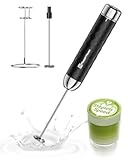
- 【Stepless Speed Control Design】Unlike traditional button-operated milk frother, this LunaFro 2.0 electric milk frother allows you to seamlessly adjust the frothing speed with unparalleled precision, ranging from 4500RPM to 10000RPM, simply by toggling the rotary switch. Experience the ultimate control as you craft the perfect froth for different beverages. Say goodbye to splashes and lackluster froth
- 【One Charging, 1440 Hours Ready】With a built-in 1200mAh lithium battery, this portable USB-C rechargeable milk frother provides up to 2 months of usage on a single charge(note: if use once per day). Fully charge the battery operated milk foam maker in just 2 hours with the included USB-C cable, eliminating the need for constant battery replacement
- 【Create Rich Creamy Foam in Seconds】Transform your morning coffee routine with our high-speed milk frother. Achieve smooth, creamy foam in just 10-15 seconds, perfect for busy mornings. Elevate your coffee experience with velvety milk foam every time
- 【Versatile for Various Beverages】 Beyond coffee, our LunaFro 2.0 milk frother excels at blending powdered supplements like protein into beverages and preparing mixed drinks. Its versatility makes it an essential tool for all your beverage-making needs, including Latte, Cappuccino, Matcha and cocoa powder
- 【Easy Cleaning and Storage】This Stepless Speed Control milk frother comes with two frothing whisks for easy replacement. Cleaning is straightforward—simply detach the whisk and wash it in water. The included compact stainless steel stand provides convenient storage and organization
8. Pour the coffee: Once brewing is complete, carefully remove the mug of coffee.
- What “good” looks like: A mug filled with hot, concentrated coffee.
- Common mistake: Touching the hot brew head or dispensing spout.
9. Combine coffee and milk: Pour the frothed milk over the brewed coffee. You can spoon some of the foam on top.
- What “good” looks like: A layered drink with coffee at the bottom and foam on top.
- Common mistake: Pouring too quickly, which can cause the layers to mix prematurely.
10. Optional: Add sweetener or topping: Stir in sugar, syrup, or a sprinkle of cocoa powder if desired.
- What “good” looks like: Evenly distributed sweetener or topping.
- Common mistake: Adding too much sweetener, overpowering the coffee and milk flavors.
Common mistakes (and what happens if you ignore them)
| Mistake | What it causes | Fix |
|---|---|---|
| Using a large brew size (e.g., 10-12 oz) | Weak, watery coffee base that tastes like brown water | Always select the smallest brew size (6-8 oz) or use the “strong” setting if available. |
| Using stale or low-quality coffee | Bland, uninspired cappuccino flavor | Use freshly roasted beans and grind them just before brewing, or select a bold K-Cup. |
| Not heating milk sufficiently | Thin, unsatisfying foam or no foam at all | Heat milk to warm (around 140-150°F) before frothing; avoid boiling. |
| Overheating milk | Scorched taste, inability to froth properly | Use a thermometer or heat milk gently, stopping before it boils. |
| Using tap water with high mineral content | Scaled-up Keurig, poor brewing temperature, off-taste | Always use filtered or bottled water for brewing and for heating milk. |
| Not cleaning the Keurig regularly | Bitter, old coffee flavors, slow brewing | Follow manufacturer’s instructions for cleaning and descaling your Keurig at least monthly. |
| Frothing milk too aggressively or too long | Large, airy bubbles instead of microfoam | Froth until the milk is warm and has a creamy texture; avoid over-aerating. |
| Pouring frothed milk too quickly into coffee | Layers mix immediately, losing visual appeal | Pour gently, holding back foam with a spoon initially, then topping with the foam. |
| Using a pre-ground coffee not suited for drip | Inconsistent extraction, potentially bitter taste | If using a reusable filter, opt for a medium grind; fine grinds can clog, coarse ones can be weak. |
Decision rules (simple if/then)
- If your Keurig has a “strong” brew option, then use it for your cappuccino base because it concentrates the coffee flavor.
- If you are using a reusable filter, then grind your coffee beans to a medium consistency because this is ideal for drip-style brewing.
- If your milk is not frothing well, then check if it’s too cold or too hot because optimal frothing occurs with warm milk.
- If your cappuccino tastes weak, then try using a smaller brew size on your Keurig next time because a more concentrated coffee base is needed.
- If you notice a bitter taste in your coffee, then it’s time to clean or descale your Keurig because mineral buildup can affect flavor.
- If you want a richer coffee flavor, then consider using a dark roast K-Cup or coffee beans because these offer a bolder profile.
- If you’re aiming for latte art, then ensure your frothed milk has a smooth, glossy microfoam texture because this is essential for pouring.
- If your Keurig is brewing slowly, then check for clogs or scale buildup and descale if necessary because this affects water flow and temperature.
- If you prefer a sweeter cappuccino, then add your preferred sweetener after frothing the milk because this allows you to control the sweetness level.
- If your frothed milk has large, soapy bubbles, then try a different frothing technique or ensure the milk is at the correct temperature because this indicates aeration issues.
FAQ
Can I use any K-Cup for a cappuccino?
While you can use any K-Cup, opting for a dark roast or a bold blend will provide a stronger coffee flavor that stands up better to milk and foam. Lighter roasts can get lost.
How do I get good foam without a fancy machine?
A handheld milk frother is an affordable and effective tool. You can also heat milk in a French press and vigorously plunge the screen up and down to create foam. Some people even use a whisk vigorously in a heated saucepan.
What’s the best way to heat milk for frothing?
Heat your milk gently on the stovetop or in the microwave until it’s warm, not boiling. Aim for around 140-150°F. Overheated milk can scorch and won’t froth well.
Does the Keurig compact coffee maker brew espresso?
No, Keurig compact coffee makers brew drip-style coffee, not espresso. Espresso requires higher pressure for extraction. The coffee brewed will be a strong base, but it won’t have the same crema or intensity as true espresso.
How much coffee should I brew for one cappuccino?
For a standard cappuccino, you’ll want a concentrated coffee base. Brew the smallest size your Keurig offers, typically 6 or 8 ounces. If your machine has a “strong” setting, use that as well.
Can I make a cappuccino with cold milk?
It’s generally best to froth warm milk for a cappuccino. Cold milk can be frothed, but it often requires more effort and may not produce as stable or rich a foam. Warm milk froths more easily and creates a better texture.
What if my Keurig coffee tastes bitter?
A bitter taste often indicates a need for cleaning or descaling. Mineral buildup can affect brewing temperature and water flow. Run a cleaning cycle with vinegar or a descaling solution as per your Keurig’s manual.
What this page does NOT cover (and where to go next)
- True espresso extraction: This guide focuses on using a Keurig as a coffee base. For authentic espresso, you would need an espresso machine.
- Advanced latte art techniques: Achieving intricate latte art requires specific milk steaming techniques and practice, typically with a steam wand.
- Specific K-Cup recommendations: This guide provides general advice on choosing K-Cups; specific brand or flavor recommendations are beyond its scope.
- Deep dives into coffee bean origins and roasting profiles: For detailed information on coffee types, explore resources dedicated to coffee connoisseurship.