
How Frothing Milk Changes Coffee Taste
Quick answer
- Frothing milk introduces air, creating a microfoam that changes the texture and mouthfeel of coffee.
- The aeration process also affects the milk’s sweetness and can slightly alter its flavor profile.
- When combined with coffee, frothed milk can mellow bitterness and enhance the perception of sweetness in the beverage.
- Different frothing methods and milk types will yield varying results in terms of texture and taste impact.
- Ultimately, frothing milk transforms a simple coffee into a more complex and often richer-tasting drink.
Key terms and definitions
- Frothing: The process of incorporating air into milk to create a light, airy foam.
- Steaming: Heating milk while simultaneously introducing air to create a denser, velvety microfoam.
- Microfoam: Finely textured, glossy foam with tiny bubbles, ideal for latte art and a smooth mouthfeel.
- Aeration: The act of introducing air into a liquid, which is the primary mechanism in frothing.
- Lactose: A natural sugar found in milk that contributes to its sweetness; frothing can make this sweetness more apparent.
- Fat content: The percentage of fat in milk, which influences how well it froths and the richness of the resulting foam.
- Protein: Milk proteins play a crucial role in stabilizing the foam created during frothing.
- Mouthfeel: The tactile sensation of a beverage in the mouth, significantly impacted by the texture of frothed milk.
- Emulsification: The process where fat and water in milk are dispersed, contributing to a smoother texture when frothed.
- Sweetness perception: How sweet a beverage tastes, which can be enhanced by the creamy texture and altered flavor compounds in frothed milk.
How it works
- Frothing milk involves agitating the liquid with air.
- This agitation breaks down larger air bubbles into smaller ones.
- Milk proteins and fats act as stabilizers, trapping these small air bubbles.
- The process denatures proteins, allowing them to form a stable network around the air.
- Heat is often applied during frothing, which further aids in protein denaturation and fat emulsification.
- As air is incorporated, the milk’s volume increases, creating a lighter texture.
- The mechanical action of frothing also slightly alters the milk’s chemical composition.
- This results in a richer, creamier mouthfeel compared to un-frothed milk.
- The tiny bubbles in microfoam contribute to a smooth, velvety sensation on the tongue.
- This transformation is what makes frothed milk a desirable addition to coffee beverages.
What affects the result
- Milk Type: Whole milk typically froths best due to its fat and protein content, creating a rich, stable foam. Skim milk can produce a lighter, airier foam but may lack richness. Non-dairy alternatives vary greatly in their frothing capabilities.
- Fat Content: Higher fat content generally leads to a creamier, more stable foam, though it can sometimes result in a heavier texture.
- Protein Content: Adequate protein is essential for creating a stable foam structure.
- Temperature: Milk is best frothed when cold, typically between 35-45°F (2-7°C). Heating milk too much can scorch it and break down the foam.
- Frothing Method: Different tools like steam wands, handheld frothers, or French presses introduce air at varying rates and pressures, affecting bubble size and foam density.
- Aeration Time: The duration of air introduction influences the volume and texture of the foam. Over-aerating can lead to dry, bubbly foam.
- Grind Size of Coffee: While not directly affecting milk, the coffee’s grind impacts its extraction and inherent bitterness, which will interact with the frothed milk.
- Coffee-to-Milk Ratio: The proportion of coffee to frothed milk dramatically changes the overall flavor and texture experience. More milk means a creamier, milder drink.
- Freshness of Milk: Fresher milk generally froths better and has a cleaner taste.
- Water Quality for Coffee: The water used to brew the coffee affects its extraction and flavor, which then combines with the frothed milk.
- Brewing Method: The strength and flavor profile of the brewed coffee (e.g., espresso vs. drip) will influence how the frothed milk’s taste and texture are perceived.
- Agitation After Frothing: Gently swirling frothed milk before pouring can help integrate it smoothly with the coffee, enhancing the mouthfeel.
Pros, cons, and when it matters
- Pro: Enhanced Sweetness Perception: Frothing can make the natural sugars in milk more apparent, creating a sweeter-tasting beverage without added sugar. This is great for those who prefer a less bitter coffee.
- Con: Loss of Original Milk Flavor: The heating and aeration process can slightly alter the milk’s original delicate flavor.
- Pro: Creamier Mouthfeel: The microfoam provides a luxurious, velvety texture that significantly improves the drinking experience, making coffee feel richer.
- Con: Potential for Overheating: If milk is steamed too hot, it can develop a burnt or scalded taste, ruining the drink.
- Pro: Mellows Bitterness: The creamy texture and slight sweetness of frothed milk can effectively balance and reduce the perception of bitterness in coffee.
- Con: Added Effort and Equipment: Frothing requires specific tools and a bit of practice, adding steps to the coffee-making process.
- Pro: Aesthetic Appeal: Well-frothed milk is the foundation for latte art, making coffee visually appealing.
- Con: Varies by Milk Type: Achieving good froth and taste can be challenging with certain milk types, especially some non-dairy alternatives.
- Pro: Richer Aroma: The process can release aromatic compounds from the milk, contributing to a more complex scent profile when combined with coffee.
- Con: Can Mask Coffee Nuances: If the milk is too dominant, it can overpower the subtle flavors of high-quality coffee beans.
- Pro: Versatility in Drinks: Frothed milk is essential for classic coffee drinks like cappuccinos, lattes, and macchiatos, offering a wide range of beverage options.
- Con: Cleaning Required: Frothing equipment, especially steam wands, needs regular cleaning to maintain hygiene and performance.
Common misconceptions
- Myth: Any milk froths equally well. In reality, whole milk generally produces the best results due to its fat and protein content, while skim milk and many non-dairy options require different techniques or may not froth as effectively.
- Myth: Frothing makes milk taste “cooked.” While overheating can cause a “cooked” or burnt taste, proper steaming at the correct temperature (around 140-155°F or 60-68°C) enhances sweetness and creates a smooth texture without a “cooked” flavor.
- Myth: You need expensive equipment for good froth. While professional espresso machines with steam wands offer the most control, handheld electric frothers or even a French press can produce decent foam for home use.
- Myth: Frothing only adds air. Frothing is a complex process involving protein denaturation and fat emulsification, which alters the milk’s structure and mouthfeel, not just its volume.
- Myth: More foam is always better. The ideal foam for most coffee drinks is a dense, velvety microfoam, not a large volume of dry, bubbly foam.
- Myth: Frothing changes the nutritional content significantly. While some minor changes occur due to heat and aeration, the primary nutritional profile of the milk remains largely the same.
- Myth: You can’t froth milk for iced coffee. Cold milk can be frothed using specific methods, like handheld frothers or shaking milk in a sealed container, to add a creamy element to iced beverages.
- Myth: All non-dairy milks froth the same. The composition of non-dairy milks varies greatly; some are formulated to froth better than others, often with added stabilizers.
- Myth: Frothing is just about making foam for decoration. The texture and slight sweetness imparted by frothed milk are integral to the taste and enjoyment of many popular coffee drinks.
You don’t need expensive equipment for good froth; a handheld electric frother can produce decent foam for home use.
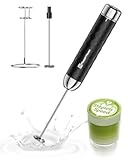
- 【Stepless Speed Control Design】Unlike traditional button-operated milk frother, this LunaFro 2.0 electric milk frother allows you to seamlessly adjust the frothing speed with unparalleled precision, ranging from 4500RPM to 10000RPM, simply by toggling the rotary switch. Experience the ultimate control as you craft the perfect froth for different beverages. Say goodbye to splashes and lackluster froth
- 【One Charging, 1440 Hours Ready】With a built-in 1200mAh lithium battery, this portable USB-C rechargeable milk frother provides up to 2 months of usage on a single charge(note: if use once per day). Fully charge the battery operated milk foam maker in just 2 hours with the included USB-C cable, eliminating the need for constant battery replacement
- 【Create Rich Creamy Foam in Seconds】Transform your morning coffee routine with our high-speed milk frother. Achieve smooth, creamy foam in just 10-15 seconds, perfect for busy mornings. Elevate your coffee experience with velvety milk foam every time
- 【Versatile for Various Beverages】 Beyond coffee, our LunaFro 2.0 milk frother excels at blending powdered supplements like protein into beverages and preparing mixed drinks. Its versatility makes it an essential tool for all your beverage-making needs, including Latte, Cappuccino, Matcha and cocoa powder
- 【Easy Cleaning and Storage】This Stepless Speed Control milk frother comes with two frothing whisks for easy replacement. Cleaning is straightforward—simply detach the whisk and wash it in water. The included compact stainless steel stand provides convenient storage and organization
FAQ
Q: How does frothing milk change the coffee’s taste?
A: Frothing introduces air, creating a microfoam that adds a creamy texture and enhances the perceived sweetness of the milk. This combination can mellow the coffee’s bitterness and create a richer, smoother overall flavor profile.
Q: Does the type of milk used for frothing matter for taste?
A: Yes, the type of milk significantly impacts taste. Whole milk provides a richer, creamier foam with a slightly sweeter taste. Skim milk creates a lighter foam, and non-dairy milks will contribute their own unique flavors and textures.
Q: What is the ideal temperature for frothing milk to get the best taste?
A: For optimal taste and texture, milk should be frothed cold, typically between 35-45°F (2-7°C). Heating it too much, beyond 155°F (68°C), can lead to a burnt or scalded taste.
Q: How does frothing affect the bitterness of coffee?
A: The creamy texture and slightly increased sweetness from frothed milk can effectively balance and reduce the perception of bitterness in coffee, making it more palatable for some.
Q: Can frothing milk make it taste sweeter?
A: Yes, frothing and steaming milk can help release its natural sugars (lactose) and create a texture that makes the sweetness more apparent, leading to a perception of a sweeter beverage.
Q: What is the difference between frothing and steaming milk?
A: Frothing generally refers to creating a lighter, airier foam with larger bubbles. Steaming typically uses a steam wand to heat the milk while incorporating air to create a denser, velvety microfoam with tiny bubbles.
Q: Does frothing milk change its nutritional value?
A: The nutritional value of milk doesn’t drastically change with frothing. The primary changes are related to texture and the release of natural sugars, but the core macronutrients (fat, protein, carbohydrates) remain largely the same.
Q: Why does frothed milk taste different from regular milk in coffee?
A: The difference comes from the texture and the altered flavor compounds. Aeration and heat change the milk’s structure, making it feel smoother and creamier, while also enhancing its natural sweetness and slightly altering its aroma.
What this page does NOT cover (and where to go next)
- Detailed comparisons of specific milk frothing appliances and their technical specifications.
- In-depth analysis of the chemical reactions occurring within milk during the frothing process.
- Specific recipes for latte art or advanced milk-based coffee beverages.
- Troubleshooting guides for common frothing problems like watery foam or burnt milk.
- Information on the historical development of milk frothing techniques in coffee culture.