
Easy Homemade Coconut Coffee Creamer Recipe
Quick answer
- You can totally whip up your own coconut coffee creamer.
- It’s way simpler than you think.
- Just need a few basic ingredients.
- Good for your coffee, good for you.
- Makes your morning cup special.
- Ditch the store-bought stuff.
Who this is for
- Anyone who loves a creamy coffee but wants to avoid dairy.
- Folks who like to know exactly what’s in their food.
- Campers looking for a simple, shelf-stable creamer option.
What to check first
This isn’t about brewing coffee, so we’re looking at the creamer itself.
Ingredients
- Make sure you have full-fat canned coconut milk. The light stuff won’t cut it.
- Check your sweetener – maple syrup, agave, or even a bit of sugar works.
- Vanilla extract is key for that classic flavor.
For a natural, plant-based sweetener, consider using agave nectar. It blends beautifully into this creamer.
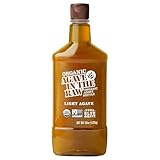
- ORGANIC LIGHT AGAVE SWEETENER: Enjoy your sweet moments. With notes of butterscotch and a golden hue, Organic Light Agave In The Raw is perfect for all your sweetening needs.
- A HEALTHY SUGAR ALTERNATIVE: Made with 100% raw blue agave nectar hand-harvested in Jalisco Mexico from agave plants free from pesticides and antibiotics. USDA Organic, Non-GMO Project Verified, kosher, plant-based and low glycemic index.
- A BETTER WAY TO DRIZZLE: Organic Light Agave In The Raw is great for sweetening smoothies, fruits, drinks, salads and more. It makes a great topping and you can bake or cook with it too.
- SWEETER THAN SUGAR: Organic Light Agave In The Raw is about 25% sweeter than sugar so a little can go a long way. The organic agave nectar blends easily in beverages and helps to moisten when baking.
- NO NONSENSE, JUST NATURAL SWEETENERS: Founded in 1970 when we began the search for a less processed sugar, In The Raw has 50+ years of sweetener expertise. Today, we offer a variety of versatile sweeteners plucked from the earth for every occasion.
Equipment
- You’ll need a blender or an immersion blender.
- A clean jar or container for storage.
Cleanliness
- Always start with clean hands and clean equipment. This is just good practice.
Step-by-step (brew workflow)
This is more of a “mix” workflow, but it’s how you get your creamer ready.
1. Open the coconut milk.
- What to do: Gently shake the can, then open it.
- What “good” looks like: You should see a thick, creamy layer on top.
- Common mistake: Not getting the thick cream off the top. Avoid by chilling the can overnight.
2. Scoop out the cream.
- What to do: Spoon the thick, solid part of the coconut milk into your blender. Leave the watery liquid behind, or save it for smoothies.
- What “good” looks like: A nice dollop of pure coconut cream.
- Common mistake: Including too much of the watery part. This makes your creamer thin.
3. Add sweetener.
- What to do: Pour in your chosen sweetener. Start with a tablespoon or two. You can always add more later.
- What “good” looks like: The sweetener is ready to blend.
- Common mistake: Adding way too much sweetener upfront. You can’t take it out.
4. Add vanilla extract.
- What to do: Add about a teaspoon of vanilla extract.
- What “good” looks like: The aroma starts to build.
- Common mistake: Forgetting the vanilla. It adds that essential depth.
5. Blend it up.
- What to do: Blend on high speed for about 30-60 seconds.
- What “good” looks like: A smooth, uniform, creamy mixture. No lumps.
- Common mistake: Not blending long enough. You want it totally emulsified.
6. Taste and adjust.
- What to do: Give it a taste. Need more sweetness? More vanilla? Add a little at a time and blend again briefly.
- What “good” looks like: It tastes just right to you.
- Common mistake: Settling for “okay.” Your coffee deserves the best.
7. Transfer to storage.
- What to do: Pour the creamer into a clean jar or container.
- What “good” looks like: A clean pour into its new home.
- Common mistake: Not using a clean container. This can spoil your creamer fast.
8. Chill.
- What to do: Put the container in the fridge.
- What “good” looks like: It’s getting nice and cold.
- Common mistake: Using it warm. It thickens up as it chills.
Common mistakes (and what happens if you ignore them)
| Mistake | What it causes | Fix |
|---|---|---|
| Using light coconut milk | Thin, watery creamer that separates quickly | Use full-fat canned coconut milk. |
| Not chilling the coconut milk can | Difficulty separating the thick cream | Chill the can overnight in the fridge. |
| Including too much water from the can | Separated, oily creamer; less creamy texture | Scoop only the solid cream; save the water for other uses. |
| Not blending long enough | Grainy texture; ingredients don’t fully combine | Blend for at least 30 seconds until smooth and emulsified. |
| Adding too much sweetener at once | Overly sweet creamer that’s hard to fix | Start with less sweetener and add more gradually, tasting as you go. |
| Using old or rancid vanilla extract | Off-flavors that ruin the coffee | Check the expiration date and smell your vanilla extract. |
| Storing in a dirty container | Bacterial growth, spoilage, bad taste | Always use a clean, sterilized jar or container. |
| Not refrigerating promptly | Shorter shelf life, potential spoilage | Refrigerate immediately after making and storing. |
| Adding hot liquid to the blender | Can be dangerous; may not blend properly | Ensure all ingredients are at room temperature or chilled before blending. |
| Not tasting and adjusting | A creamer that isn’t quite right for your taste | Taste and adjust sweetness and flavor before storing. |
Decision rules (simple if/then)
- If your coconut milk doesn’t have a thick cream layer, then check if it was full-fat canned milk and if it was chilled properly because these are essential for separation.
- If your creamer seems too thin after blending, then try adding a bit more of the thick coconut cream from another can or a touch more sweetener to help emulsify, because a higher fat content or dissolved solids can improve texture.
- If your creamer tastes bland, then add a tiny bit more vanilla extract or a pinch of salt to enhance the flavors because salt can surprisingly bring out sweetness and complexity.
- If you want a sweeter creamer, then gradually add more maple syrup or your preferred sweetener and blend again because you can always add more, but you can’t easily take it out.
- If you notice separation in your coffee, then give the creamer a good shake or stir before adding it because the natural oils can separate over time.
- If you’re making this for camping, then ensure you have a reliable way to keep it chilled because homemade creamer is perishable and needs refrigeration.
- If you want a different flavor profile, then consider adding a pinch of cinnamon or a drop of peppermint extract before blending because these additions can create unique flavor combinations.
- If your blender is struggling, then try blending in smaller batches because overloading the blender can prevent proper emulsification.
- If you want to store it for longer than a week, then consider making smaller batches more frequently because freshness is key to the best flavor.
FAQ
How long does homemade coconut coffee creamer last?
It typically lasts about 5-7 days in the refrigerator. Always trust your nose and eyes; if it smells or looks off, toss it.
Can I use sweetened condensed coconut milk?
You can, but you’ll need to adjust the added sweetener significantly. Sweetened condensed coconut milk is already very sweet.
What if I don’t have a blender?
An immersion blender works great. You can also whisk it vigorously by hand in a bowl, but it might not get quite as smooth.
Why is my creamer separating?
This is natural! Coconut cream has a high fat content that can separate. Just give it a good shake or stir before each use.
Can I make this sugar-free?
Yes, you can use a sugar-free sweetener like erythritol or stevia. Adjust the amount to your taste, as these can be much more potent than sugar.
Is this creamer vegan?
Absolutely. It’s made entirely from plant-based ingredients, making it a great vegan option.
Can I add other flavors?
Sure! A pinch of cinnamon, a dash of nutmeg, or even a bit of cocoa powder can be blended in for a flavored creamer.
What’s the difference between this and store-bought coconut creamers?
Store-bought versions often have stabilizers and emulsifiers to prevent separation and extend shelf life. Homemade is simpler and fresher.
What this page does NOT cover (and where to go next)
- Specific brand recommendations for coconut milk.
- Advanced flavor infusion techniques.
- Shelf-stable preservation methods beyond refrigeration.
- Nutritional breakdowns of homemade creamer.
- Recipes for dairy-based creamers.