
Why Milk Makes Coffee Foamy
Quick answer
- Milk creates foam in coffee due to its protein and fat content, which trap air bubbles.
- Heating milk denatures proteins, allowing them to form a stable foam structure.
- The process is similar to how whisking egg whites creates meringue.
- Different types of milk (whole, skim, plant-based) will produce varying foam textures and stability.
- Aerating milk, whether with a steam wand or frother, is key to introducing and stabilizing these bubbles.
- The foam from milk can enhance the aroma and mouthfeel of coffee beverages.
Key terms and definitions
- Proteins: Milk contains proteins like casein and whey, which are essential for foam formation by stabilizing air bubbles.
- Fats: Milk fats contribute to the richness and mouthfeel of foam, though too much can hinder bubble formation.
- Emulsification: The process where fat and water components of milk are dispersed, helping to create a smooth texture.
- Denaturation: When proteins change their structure, often due to heat or agitation, making them better at trapping air.
- Surface Tension: The force that holds liquid molecules together; milk’s components alter this to allow bubbles to form and persist.
- Aeration: The process of incorporating air into milk, typically done with a steam wand or frother.
- Microfoam: Very fine, velvety foam with tiny, uniform bubbles, ideal for latte art.
- Macrofoam: Larger, less stable bubbles, often seen in simpler milk frothing methods.
- Lactose: Milk sugar, which can caramelize slightly when heated, adding sweetness and color to frothed milk.
- Viscosity: The thickness or resistance to flow of the milk, which affects how easily it froths and how stable the foam is.
How it works
- When milk is heated and agitated, its proteins undergo a process called denaturation.
- Denatured proteins unfold and become more exposed, allowing them to surround and stabilize air bubbles.
- Fat globules in milk also play a role, though their effect can be nuanced. They can contribute to richness but too much can prevent proteins from adequately forming a stable foam network.
- The surface tension of milk is reduced by dissolved solids and proteins, making it easier for air to be incorporated.
- As air is forced into the milk, it creates small pockets or bubbles.
- The denatured proteins form a film around these air bubbles, preventing them from collapsing.
- The fat and other milk solids further support this protein network, creating a more stable and lasting foam.
- Heating the milk to a certain temperature range is crucial for optimal protein denaturation without cooking the milk.
- The speed and method of aeration determine the size of the bubbles, with faster, more vigorous methods tending to create larger bubbles.
- The resulting foam is essentially a network of air bubbles trapped within a liquid matrix stabilized by milk proteins and fats.
What affects the result
- Milk Type: Whole milk generally produces the richest, most stable foam due to its higher fat content. Skim milk can produce a lighter, airier foam but it may be less stable.
- Fat Content: Higher fat content can lead to a creamier texture, but very high fat can sometimes make it harder to achieve fine microfoam.
- Protein Content: More protein in milk generally means a more stable foam, as proteins are the primary stabilizers of air bubbles.
- Freshness of Milk: Fresher milk tends to froth better than older milk, as its composition is optimal for foam creation.
- Temperature of Milk: Cold milk is best for frothing. Heating it too much before frothing can degrade proteins and fats, hindering foam formation.
- Aeration Technique: The method used to introduce air (e.g., steam wand, electric frother, French press) significantly impacts foam texture and stability.
- Grind Size of Coffee: While not directly affecting milk foam, the coffee itself influences the overall drink. A fine grind is typically used for espresso, which is often paired with frothed milk.
- Water Quality: For the coffee base, filtered water is recommended for optimal flavor extraction.
- Coffee Bean Freshness: Freshly roasted and ground coffee beans contribute significantly to the aroma and taste of the final beverage.
- Coffee-to-Milk Ratio: The proportion of coffee to milk in a drink affects the perceived intensity of the milk foam.
- Brewing Method: The coffee brewing method (espresso, drip, pour-over) sets the stage for the beverage that will receive milk.
- Sweeteners and Flavorings: Adding sugar or syrups can slightly alter the viscosity and stability of the milk foam.
Pros, cons, and when it matters
- Pro: Enhanced Texture: Milk foam adds a desirable creamy, velvety texture to coffee, improving the mouthfeel. This is crucial for drinks like lattes and cappuccinos.
- Con: Added Calories/Fat: Whole milk foam adds calories and fat to your coffee, which may be a concern for some.
- Pro: Aroma Enhancement: The foam can trap volatile aromatic compounds from the coffee, intensifying the overall aroma.
- Con: Foam Collapse: If not prepared correctly, milk foam can quickly dissipate, leaving a watery coffee. This is undesirable for a satisfying beverage.
- Pro: Latte Art: Fine microfoam is essential for creating intricate latte art, transforming a simple coffee into a visual treat.
- Con: Plant-Based Milk Variability: Different plant-based milks froth differently, with some producing less stable or thinner foam than dairy. This requires experimentation.
- Pro: Sweetness and Richness: Frothing can slightly caramelize lactose in dairy milk, adding a subtle sweetness and richness.
- Con: Overheating Damage: Overheating milk can “scald” it, leading to a cooked flavor and poor foam quality.
- Pro: Sensory Experience: The combination of hot coffee and cool, creamy foam provides a complex and enjoyable sensory experience.
- Con: Skill Requirement: Achieving perfect microfoam for latte art requires practice and the right equipment.
- Pro: Visually Appealing: A well-frothed layer of foam makes coffee drinks look more professional and inviting.
- Con: Potential for Spills: A very airy foam can be prone to overflowing the cup if not handled carefully.
Common misconceptions
- Myth: Any milk will froth equally well. Reality: Fat and protein content vary significantly, impacting foam quality and stability. Whole milk generally froths best.
- Myth: You need expensive equipment to froth milk. Reality: While steam wands are ideal, simple methods like a French press or a battery-operated frother can produce decent foam.
- Myth: Hot milk froths better. Reality: Cold milk is ideal for frothing. Heating it too much before frothing can damage proteins and hinder foam formation.
- Myth: Skim milk makes the best foam. Reality: Skim milk creates a lighter, airier foam but it’s often less stable and rich than foam from whole milk.
- Myth: You can just stir milk vigorously to get foam. Reality: While some air can be incorporated, the proteins and fats need specific conditions and aeration to stabilize the bubbles into a lasting foam.
- Myth: Plant-based milks don’t froth at all. Reality: Many plant-based milks can be frothed, but results vary by type and brand, often requiring specific “barista” versions.
- Myth: The foam is just air bubbles. Reality: The foam is a complex emulsion stabilized by denatured proteins and fats, not just simple air pockets.
- Myth: You should add sugar before frothing. Reality: Adding sugar before frothing can sometimes interfere with the protein structure needed for stable foam. It’s usually best added after.
- Myth: Once frothed, the foam is permanent. Reality: Milk foam is temporary. Its stability depends on the milk composition and how it was frothed.
If you’re looking for a simple way to achieve decent foam without a steam wand, a battery-operated handheld milk frother can be a great option.
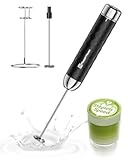
- 【Stepless Speed Control Design】Unlike traditional button-operated milk frother, this LunaFro 2.0 electric milk frother allows you to seamlessly adjust the frothing speed with unparalleled precision, ranging from 4500RPM to 10000RPM, simply by toggling the rotary switch. Experience the ultimate control as you craft the perfect froth for different beverages. Say goodbye to splashes and lackluster froth
- 【One Charging, 1440 Hours Ready】With a built-in 1200mAh lithium battery, this portable USB-C rechargeable milk frother provides up to 2 months of usage on a single charge(note: if use once per day). Fully charge the battery operated milk foam maker in just 2 hours with the included USB-C cable, eliminating the need for constant battery replacement
- 【Create Rich Creamy Foam in Seconds】Transform your morning coffee routine with our high-speed milk frother. Achieve smooth, creamy foam in just 10-15 seconds, perfect for busy mornings. Elevate your coffee experience with velvety milk foam every time
- 【Versatile for Various Beverages】 Beyond coffee, our LunaFro 2.0 milk frother excels at blending powdered supplements like protein into beverages and preparing mixed drinks. Its versatility makes it an essential tool for all your beverage-making needs, including Latte, Cappuccino, Matcha and cocoa powder
- 【Easy Cleaning and Storage】This Stepless Speed Control milk frother comes with two frothing whisks for easy replacement. Cleaning is straightforward—simply detach the whisk and wash it in water. The included compact stainless steel stand provides convenient storage and organization
FAQ
Q: Why does my frothed milk fall apart so quickly?
A: This can happen if the milk was too warm before frothing, if it wasn’t aerated enough, or if it’s an older carton of milk. Ensure you start with cold milk and aerate it properly.
Q: Can I use almond milk to make foamy coffee?
A: Yes, many almond milks can be frothed, especially those labeled “barista blend.” Results can vary by brand, so you might need to experiment to find one that works well for you.
Q: What’s the difference between microfoam and macrofoam?
A: Microfoam has very small, uniform bubbles, creating a velvety texture ideal for latte art. Macrofoam has larger, less stable bubbles and is often seen in simpler frothing methods.
Q: Does heating the milk too much ruin the foam?
A: Yes, overheating milk can scald it, giving it a burnt taste and destroying the proteins necessary for creating a stable foam. Aim for a temperature around 140-155°F.
Q: Is it better to froth milk before or after brewing coffee?
A: It’s generally best to froth your milk just before you pour it into your coffee. This ensures the foam is at its freshest and most stable when you add it to your drink.
Q: Why does whole milk make better foam than skim milk?
A: Whole milk has more fat and protein, which work together to create a richer, more stable, and creamier foam compared to the lighter, less stable foam from skim milk.
Q: Can I reuse frothed milk?
A: No, you should not reuse frothed milk. Once milk has been aerated and heated, its structure changes, and it’s best to use fresh milk for each beverage.
Q: How do I get those cool latte art designs?
A: Latte art requires creating very fine microfoam. You’ll need a good espresso machine with a steam wand and practice pouring techniques to manipulate the milk into patterns.
What this page does NOT cover (and where to go next)
- Specific instructions for operating individual coffee maker models or frothers.
- Detailed recipes for complex coffee drinks beyond the role of milk foam.
- Advanced techniques for latte art beyond the general requirements for microfoam.
- Comparisons of specific brands of coffee beans or milk.
- Troubleshooting for electrical or mechanical issues with coffee brewing equipment.