
Gardening with Coffee: Does It Boost Plant Growth?
Quick answer
- Coffee grounds can offer benefits to garden soil, acting as a mild organic fertilizer and improving soil structure.
- They are a good source of nitrogen, potassium, and phosphorus, essential nutrients for plant growth.
- Coffee grounds can also help attract beneficial earthworms to your garden.
- However, using too much coffee directly in the soil can lead to overly acidic conditions, potentially harming some plants.
- It’s generally recommended to compost coffee grounds or use them in moderation to avoid negative impacts.
- The acidity of coffee grounds can vary, so it’s wise to test your soil’s pH before adding large amounts.
Coffee grounds can offer benefits to garden soil, acting as a mild organic fertilizer and improving soil structure. For a more robust and balanced approach, consider using a dedicated organic fertilizer like this one to ensure your plants receive a full spectrum of nutrients.

- Contains ALL Primary Nutrients: N-P-K
- Contains ALL Secondary Nutrients: Ca-Mg-S
- For ALL Plants; Fruits, Veggies, Roses, Potted, & More!
- Makes 20+ Gallons / Contains Azomite
- Versatile: Apply To Soil, Foliar Feed, and/ or Compost Tea
Key terms and definitions
- Coffee Grounds: The leftover solid material after brewing coffee.
- pH Level: A measure of how acidic or alkaline a substance is, on a scale of 0 to 14. A pH of 7 is neutral, below 7 is acidic, and above 7 is alkaline.
- Composting: The process of decomposing organic matter into a nutrient-rich soil amendment.
- Nitrogen: A key nutrient essential for leaf growth and overall plant vigor.
- Potassium: A nutrient important for flower and fruit development, as well as disease resistance.
- Phosphorus: A nutrient vital for root development and flowering.
- Soil Structure: The arrangement of soil particles, which affects drainage, aeration, and root penetration.
- Acid-Loving Plants: Plants that thrive in soil with a lower pH, such as blueberries, rhododendrons, and azaleas.
- Alkaline-Loving Plants: Plants that prefer soil with a higher pH.
- Leaching: The process by which water dissolves and carries away soluble substances from the soil.
How it works
- Coffee grounds add organic matter to the soil, which can improve its texture and water retention.
- As grounds decompose, they release nutrients like nitrogen, phosphorus, and potassium, which plants can absorb.
- The physical presence of grounds can help aerate the soil, allowing for better root growth and oxygen exchange.
- Their dark color can help warm the soil slightly, which can be beneficial in cooler climates.
- Coffee grounds can act as a mild mulch, suppressing weeds and retaining soil moisture.
- Earthworms are attracted to coffee grounds, and their burrowing further improves soil aeration and drainage.
- The decomposition process by microbes in the soil breaks down the grounds into simpler compounds that plants can use.
- Some studies suggest that certain compounds in coffee grounds may have a mild repellent effect on some garden pests.
- When added to compost, coffee grounds contribute to the overall nutrient balance and the thermal process of decomposition.
- Properly composted grounds are less likely to cause extreme pH shifts compared to adding them directly.
Coffee grounds add organic matter to the soil, which can improve its texture and water retention. If you’re looking to enhance your soil’s overall health and structure, a quality soil amendment can provide a more comprehensive solution.
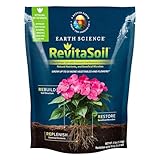
- Premium Soil Revitalizer: Rebuilds depleted soils with premium earthworm castings (worm castings), natural nutrients, and soil-friendly biology
- Boosts Plant Growth: Proven to grow up to 3X more vegetables and flowers with an exclusive patent-pending formula
- Restores Soil Health: One application helps repair structural damage and re-energizes your soil to give you bigger harvests, more flowers, and thriving plants
- Coverage & Convenience: Each 4lb bag revitalizes up to 16 sq ft of soil in gardens, landscapes, and pots and up to 8 sq ft of soil in raised beds. Revitalize your existing soil instead of purchasing large, heavy bags of new potting and garden soils
- Natural & Eco-Friendly: Sustainably made and packed full of natural nutrition without any harmful chemicals or pesticides. RevitaSoil is an all-natural solution for gardeners looking to improve soil health, boost growth, and protect the environment.
What affects the result
- Amount of Coffee Grounds: Using too many grounds can lead to an overly acidic environment or create a dense layer that hinders water penetration.
- Type of Plant: Different plants have varying pH preferences. Acid-loving plants may benefit more from coffee grounds than those that prefer alkaline soil.
- Soil pH: The existing pH of your soil is crucial. If your soil is already acidic, adding more grounds could harm plants.
- Fresh vs. Used Grounds: Used grounds have had most of their caffeine and acidity leached out during brewing, making them generally safer for direct soil application. Fresh, unbrewed grounds are much more acidic.
- Composting: Composting grounds before adding them to the soil neutralizes much of their acidity and breaks them down into a more beneficial form.
- Application Method: Sprinkling grounds thinly around plants is generally better than piling them up. Mixing them into the soil is also an option.
- Rainfall and Irrigation: Excessive watering can leach nutrients from the soil, including those released by coffee grounds, or potentially spread acidity.
- Soil Type: Sandy soils drain quickly and may not retain nutrients as well as clay soils.
- Presence of Other Amendments: Combining coffee grounds with other compost materials can create a more balanced soil amendment.
- Caffeine Content: While much caffeine is removed during brewing, residual amounts can potentially inhibit the germination of some seeds if applied too heavily.
- Particle Size: Finer grounds may decompose faster but can also compact more easily.
- Beneficial Microorganisms: The activity of soil microbes is essential for breaking down the grounds and releasing nutrients.
Pros, cons, and when it matters
- Pro: Adds organic matter, improving soil structure and water retention. This is beneficial for most garden soils, especially those that are compacted or sandy.
- Con: Can increase soil acidity. This matters for plants that prefer neutral to alkaline soil, as it can stunt their growth.
- Pro: Provides essential nutrients like nitrogen, potassium, and phosphorus. This is valuable for general plant feeding, especially during the growing season.
- Con: Can form a dense layer if applied too thickly, impeding water and air flow. This is a problem if you’re not careful with application, potentially suffocating roots.
- Pro: Attracts earthworms, which are excellent for soil health. This is a clear win for gardeners aiming for a thriving ecosystem.
- Con: Unbrewed grounds are highly acidic and can harm plants. This is why using used grounds or composting is important.
- Pro: Can help deter some pests. This is a bonus for organic pest management strategies.
- Con: Caffeine in fresh grounds can inhibit seed germination. This is a concern if you’re starting new plants from seed in treated soil.
- Pro: A sustainable way to repurpose kitchen waste. This aligns with eco-friendly gardening practices.
- Con: The nutrient release can be slow. This means they are not a quick fix for severe nutrient deficiencies.
- Pro: Mild mulching effect helps retain moisture and suppress weeds. This is useful for maintaining consistent soil conditions.
- Con: May not be suitable for all plant types. Plants with specific needs, like succulents or cacti, may not tolerate the added moisture and organic matter.
Common misconceptions
- Misconception: Coffee grounds are a powerful fertilizer that will instantly boost growth.
- Reality: They are a mild organic amendment that releases nutrients slowly.
- Misconception: All coffee grounds are highly acidic and bad for plants.
- Reality: Used grounds have had most of their acidity leached out. Fresh, unbrewed grounds are the most acidic.
- Misconception: You can just dump a whole bag of coffee grounds around your plants.
- Reality: Moderation is key. Too much can cause problems like acidity or poor drainage.
- Misconception: Coffee grounds kill garden pests.
- Reality: They may deter some pests, but they are not a guaranteed pest control solution.
- Misconception: Coffee grounds are a complete plant food.
- Reality: They provide some key nutrients but are not a balanced diet for plants.
- Misconception: Coffee grounds are always beneficial for every plant.
- Reality: Plants have different pH preferences; coffee grounds are best suited for acid-loving plants or when used in compost.
- Misconception: Coffee grounds can replace your regular fertilizer.
- Reality: They can supplement your fertilization routine but may not provide all necessary nutrients.
- Misconception: Adding coffee grounds directly to the soil is the best way to use them.
- Reality: Composting them first is often a safer and more effective method.
- Misconception: Caffeine in used grounds is harmful to plants.
- Reality: Most caffeine is removed during brewing, and residual amounts are unlikely to cause significant harm in moderation.
FAQ
Q: Are used coffee grounds good for all plants?
A: Not necessarily. While many plants benefit from the organic matter and nutrients, their acidity can be an issue for plants that prefer alkaline soil. It’s best to use them in moderation or for acid-loving plants.
Q: How much coffee should I put in my garden?
A: Start small. A thin layer, about an inch or less, mixed into the top few inches of soil or sprinkled around plants is a good starting point. Avoid piling them up.
Q: Can I put fresh coffee grounds directly into the soil?
A: It’s generally not recommended. Fresh grounds are significantly more acidic and can potentially harm plants or inhibit seed germination. Use only used grounds or compost them first.
Q: Will coffee grounds make my soil more acidic?
A: Used coffee grounds have a near-neutral pH, but they can still contribute to a slight decrease in soil pH over time, especially if used in large quantities. Composting them helps to buffer this effect.
Q: How do I know if my plants like coffee grounds?
A: Observe your plants. If they show signs of stress, wilting, or stunted growth after adding grounds, they may not tolerate them well. Acid-loving plants like blueberries, rhododendrons, and azaleas are generally more receptive.
Q: Can I use coffee grounds in a raised garden bed?
A: Yes, raised beds are a great place to use coffee grounds. They help improve the soil structure and nutrient content of the soil mix, but the same principles of moderation and plant preference still apply.
Q: Should I wash coffee grounds before using them in the garden?
A: There’s no need to wash used coffee grounds. The brewing process already removes most of the oils and acidity.
Q: Will coffee grounds attract bugs to my garden?
A: Coffee grounds themselves don’t typically attract harmful pests. In fact, some gardeners find they can deter certain insects. However, any organic matter can attract beneficial organisms like earthworms.
What this page does NOT cover (and where to go next)
- Specific nutrient analysis of different coffee roasts.
- Detailed instructions for large-scale commercial composting of coffee grounds.
- Scientific studies on the long-term effects of coffee grounds on specific soil microbiomes.
- Recommendations for specific plant species and their exact pH requirements.
- How to test your soil’s pH level accurately.