
Heart Palpitations After Coffee? Understanding the Causes
Quick answer
- Coffee can cause temporary heart palpitations due to caffeine’s stimulant effects on the central nervous system.
- Factors like caffeine sensitivity, dosage, and individual health conditions play a significant role.
- Reducing caffeine intake or switching to decaffeinated options often resolves the issue.
- Staying hydrated and avoiding other stimulants can also help mitigate palpitations.
- If symptoms are severe, persistent, or accompanied by other concerns, consult a healthcare professional.
What this problem usually is (and is not)
- This issue is typically a temporary physiological response to caffeine, not usually a sign of severe heart disease in healthy individuals.
- It is often described as a “racing heart,” “skipped beat,” or a “fluttering” sensation in the chest.
- It is NOT usually a sign of a heart attack or a life-threatening emergency, especially if it resolves quickly after caffeine consumption.
- It is NOT a reason to completely avoid coffee if symptoms are mild and manageable, but moderation is key.
- It is NOT a substitute for medical advice; persistent or concerning symptoms should always be evaluated by a doctor.
Likely causes (triage list)
- Caffeine Sensitivity: Some individuals are more sensitive to caffeine’s effects due to genetic factors or slower metabolism.
- How to confirm: Observe if even small amounts of coffee or other caffeinated beverages trigger symptoms.
- Excessive Caffeine Intake: Consuming too much coffee, especially in a short period, can overwhelm the body’s system.
- How to confirm: Track your daily caffeine intake from all sources (coffee, tea, soda, energy drinks).
- Dehydration: Caffeine is a diuretic, and not drinking enough water alongside coffee can contribute to palpitations.
- How to confirm: Assess your overall daily water intake and urine color.
- Stress or Anxiety: Caffeine can amplify existing anxiety, making heart palpitations feel more pronounced.
- How to confirm: Note if palpitations occur more frequently during stressful periods or when you feel anxious.
- Other Stimulants: Combining coffee with other stimulants like certain medications (e.g., decongestants) can exacerbate effects.
- How to confirm: Review all medications and supplements you are taking and their potential interactions.
- Sleep Deprivation: Being tired can make your body more reactive to stimulants like caffeine.
- How to confirm: Observe if palpitations are worse after a night of poor sleep.
- Underlying Health Conditions: While less common, certain heart conditions or thyroid issues can make you more susceptible.
- How to confirm: This requires medical evaluation by a doctor, especially if symptoms are severe or persistent.
Fix it step-by-step (brew workflow)
This section focuses on adjusting your coffee consumption to address heart palpitations.
1. Assess Your Current Intake:
- What to do: Keep a log of how much coffee (and other caffeinated items) you consume daily, noting the time and any symptoms.
- What “good” looks like: A clear understanding of your typical caffeine load.
- Common mistake: Estimating intake instead of precisely measuring; always use a scale for coffee grounds or measure liquid volume.
To accurately assess your current intake, a caffeine tracker can be incredibly helpful. This tool can help you log your consumption and identify patterns that might be contributing to your palpitations.

- Inc., Moderation (Author)
- English (Publication Language)
- 100 Pages - 04/23/2025 (Publication Date) - DJW Gold (Publisher)
2. Reduce Caffeine Gradually:
- What to do: If your intake is high, slowly cut back by reducing cup size or switching to half-caf.
- What “good” looks like: A noticeable decrease in palpitations without significant withdrawal symptoms.
- Common mistake: Abruptly stopping caffeine, which can lead to headaches and fatigue; reduce slowly over several days.
3. Choose Lighter Roasts or Decaf:
- What to do: Lighter roasts often contain slightly more caffeine than darker roasts. Consider switching to decaf entirely or a blend.
- What “good” looks like: Enjoying the taste of coffee with minimal to no caffeine effects.
- Common mistake: Assuming dark roast has more caffeine; it actually has slightly less by weight due to longer roasting.
If you’re looking to enjoy the ritual of coffee without the jitters, consider switching to decaf. This decaffeinated coffee option offers a similar rich flavor with significantly less caffeine.
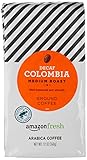
- Balanced, full-bodied medium roast with a smooth finish
- One 12-ounce bag of ground coffee
- Decaffeinated
- 100% Arabica coffee grown in Colombia
- Roasted and packed in the U.S.A.
4. Stay Well-Hydrated:
- What to do: Drink a glass of water before and after your coffee, and ensure adequate water intake throughout the day.
- What “good” looks like: Clear or very pale yellow urine, indicating proper hydration.
- Common mistake: Relying on coffee for hydration; it is not a substitute for water.
Staying well-hydrated is crucial, especially when consuming coffee. Make sure you have a reliable water bottle on hand to keep your intake consistent throughout the day.

- 30-ounce insulated stainless steel water bottle with extra features: includes a 2-in-1 spout that lets you choose how you drink; push-button, leak-proof lid that locks for all your adventures
- Choose your sip style—straw or swig: Patented 2-in-1 FreeSip spout is one of a kind; it lets you sip upright through the built-in straw or swig by tilting back the spout
- Hygienic push-button lid and easy carry handle: closed lid keeps spout covered and clean between sips; ergonomic bucket handle makes transport easy for sports, campsites, road trips, school, and work
- Keeps water cold and fits where you need: Triple-layer insulation keeps drinks colder up to 24 hours; wide opening for easy cleaning and extra ice; cupholder friendly base fits most car cupholders
- Safe materials and simple care instructions: BPA, lead, and phthalate-free for safe drinking; hand wash the cup,lid is dishwasher safe and can be easily disassembled; not for use with hot liquids
5. Eat Before or With Coffee:
- What to do: Consume coffee with a meal or after eating to slow down caffeine absorption.
- What “good” looks like: A more gradual onset of caffeine’s effects, reducing the “jolt.”
- Common mistake: Drinking coffee on an empty stomach, which can lead to faster absorption and a stronger stimulant effect.
6. Monitor Brewing Methods:
- What to do: Stronger brewing methods (like espresso or French press) can extract more caffeine. Consider drip or pour-over for a potentially milder effect.
- What “good” looks like: A brew that matches your desired strength without over-extracting caffeine.
- Common mistake: Using too much coffee grounds for your brewing method, leading to an overly strong and caffeinated beverage.
7. Avoid Other Stimulants:
- What to do: Limit or avoid energy drinks, certain teas, and over-the-counter medications with stimulants when consuming coffee.
- What “good” looks like: Feeling alert from coffee without additional jitters or palpitations.
- Common mistake: Unknowingly combining multiple sources of caffeine or other stimulants.
8. Manage Stress and Sleep:
- What to do: Practice relaxation techniques and prioritize 7-9 hours of quality sleep per night.
- What “good” looks like: Feeling rested and calm, which can reduce your body’s sensitivity to caffeine.
- Common mistake: Using coffee as a crutch for poor sleep, which can create a cycle of dependency and heightened sensitivity.
Prevent it next time
- Monitor Caffeine Intake: Be mindful of how much caffeine you consume daily from all sources.
- Choose Quality Coffee: Freshly roasted, quality beans can sometimes lead to a smoother experience.
- Adjust Grind and Ratio: Experiment with a slightly coarser grind or a lower coffee-to-water ratio to reduce strength.
- Stay Hydrated: Always pair your coffee consumption with sufficient water intake.
- Eat With Coffee: Avoid drinking coffee on an empty stomach to slow caffeine absorption.
- Prioritize Sleep: Ensure adequate rest, as fatigue can increase caffeine sensitivity.
- Manage Stress: Incorporate stress-reducing activities into your routine.
- Regular Cleaning: Keep your coffee maker clean to ensure optimal flavor and prevent impurities, though this is less directly related to palpitations.
- Consult a Doctor: If palpitations are severe, persistent, or accompanied by chest pain, dizziness, or shortness of breath, seek medical advice.
Common mistakes (and what happens if you ignore them)
| Mistake | What it causes | Fix |
|---|---|---|
| Drinking coffee on an empty stomach | Faster caffeine absorption, leading to a sudden jolt and increased likelihood of palpitations or jitters. | Always have coffee with or after a meal to slow absorption. |
| Consuming too much caffeine too quickly | Overstimulation of the nervous system, resulting in pronounced heart palpitations, anxiety, and restlessness. | Reduce portion size, spread out consumption, or opt for lower caffeine options. |
| Not staying hydrated | Dehydration, which can exacerbate caffeine’s diuretic effects and contribute to palpitations, headaches, and fatigue. | Drink a glass of water before and after coffee, and maintain overall hydration. |
| Ignoring individual caffeine sensitivity | Continued palpitations and discomfort, as your body is signaling it cannot handle that level of stimulant. | Listen to your body; reduce intake or switch to decaf if symptoms persist. |
| Combining coffee with other stimulants | Synergistic effects that can drastically increase heart rate, anxiety, and risk of palpitations. | Be aware of all stimulant sources; avoid combining coffee with energy drinks or certain medications. |
| Using coffee to compensate for poor sleep | A cycle of caffeine dependence, worsened sleep quality, and increased sensitivity to caffeine’s negative effects. | Prioritize consistent, quality sleep; use coffee as an enhancer, not a substitute. |
| Not adjusting for strong brew methods | Unintentionally consuming very high caffeine doses from methods like espresso or cold brew if not diluted. | Be mindful of caffeine content in different brew types; dilute strong coffees or use less coffee. |
| Ignoring persistent or severe symptoms | Potential for underlying health issues to go undiagnosed or for discomfort to significantly impact quality of life. | Consult a healthcare professional if palpitations are severe, frequent, or accompanied by other concerning symptoms. |
Decision rules (simple if/then)
- If you experience mild, infrequent heart palpitations after coffee then try reducing your caffeine intake by 25% because this often resolves the issue.
- If palpitations occur mainly when you drink coffee on an empty stomach then always consume coffee with food because it slows caffeine absorption.
- If you feel jittery or anxious in addition to palpitations then consider switching to a half-caf or decaf option because caffeine might be overstimulating your nervous system.
- If you rarely drink water but frequently drink coffee then increase your daily water intake because dehydration can worsen caffeine’s effects.
- If you notice palpitations after consuming energy drinks or certain medications with coffee then avoid combining these stimulants because their effects can be additive.
- If palpitations are accompanied by chest pain, dizziness, or shortness of breath then seek immediate medical attention because these could be signs of a more serious condition.
- If you are consistently sleep-deprived and experience palpitations then prioritize improving your sleep hygiene because fatigue can heighten caffeine sensitivity.
- If even small amounts of caffeine cause significant palpitations then you likely have high caffeine sensitivity and should opt for decaffeinated beverages because your body processes caffeine slowly.
- If you’ve tried all adjustments and still experience bothersome palpitations then consult a doctor because there might be an underlying health condition.
FAQ
Q: Is it normal to feel my heart race after drinking coffee?
A: It can be a normal, temporary response for some individuals due to caffeine’s stimulant properties. Caffeine increases alertness and heart rate, which can be felt as a racing or fluttering sensation.
Q: How much caffeine is too much if I experience heart palpitations?
A: There’s no universal “too much” as sensitivity varies. If you experience palpitations, try reducing your intake to below 200 mg per day (roughly two 8-oz cups of regular coffee) and gradually adjust based on your body’s response.
Q: Can decaf coffee still cause heart palpitations?
A: Decaf coffee contains a small amount of caffeine (typically 2-15 mg per 8-oz cup). For highly sensitive individuals, even this trace amount could potentially cause mild symptoms, but it’s far less likely than with regular coffee.
Q: Should I stop drinking coffee entirely if I get heart palpitations?
A: Not necessarily. Often, reducing intake, switching to decaf, or making other lifestyle adjustments (like staying hydrated) can resolve the issue. Only stop entirely if symptoms are severe or advised by a doctor.
Q: Does the type of coffee bean or roast affect heart palpitations?
A: Generally, the caffeine content is the primary factor, not the bean type or roast. However, some anecdotal evidence suggests that certain individuals respond differently to various coffee types, possibly due to other compounds.
Q: Can anxiety make my heart palpitations from coffee worse?
A: Yes, caffeine can exacerbate existing anxiety, and anxiety itself can cause or worsen palpitations. The combination can make the sensations feel more intense and distressing.
What this page does NOT cover (and where to go next)
- Specific medical diagnoses for heart conditions that might mimic or worsen palpitations. Consult a cardiologist for a comprehensive evaluation.
- Detailed nutritional advice beyond hydration for overall heart health. Speak with a registered dietitian for personalized dietary plans.
- In-depth pharmacological interactions between caffeine and specific prescription medications. Always review medication labels and discuss with your doctor or pharmacist.